
Ngorongoro Conservation Area
Introduction to Ngorongoro Crater
The Ngorongoro Crater is arguably Africa’s most incredible natural wonder. This breathtaking destination in Tanzania offers some of the most concentrated wildlife viewing on the planet, all within the spectacular setting of the world’s largest intact volcanic caldera. Often described as “Africa’s Garden of Eden” or an “eighth wonder of the world,” the crater’s unique ecosystem creates a self-contained world where wildlife thrives against a backdrop of stunning scenic beauty. Designated as a UNESCO World Heritage Site, the Ngorongoro Conservation Area represents a unique experiment in multiple land use where wildlife coexists with semi-nomadic Maasai pastoralists . This comprehensive guide will help you plan an unforgettable visit to this remarkable destination.
Ngorongoro Crater: A Natural Wonder
The Ngorongoro Crater is the main feature of the much larger Ngorongoro Conservation Area (NCA), which spans over 8,000 square kilometers (3,200 square miles) . This expansive protected area stretches from the Serengeti National Park in the northwest to the Great Rift Valley in the east . The crater itself is a geological marvel. Approximately 2.5 million years ago, a massive volcano—possibly the size of Mount Kilimanjaro—erupted and collapsed inward upon itself . This dramatic event formed what we now know as a caldera, creating the largest unflooded, unbroken crater in the world . Measuring about 20 kilometers (12.5 miles) across, 600 meters (2,000 feet) deep, and covering 260 square kilometers (100 square miles), this natural amphitheater provides a contained habitat for an astonishing variety of wildlife . The name "Ngorongoro" originates from the Maasai phrase "ol irra le kkorongorro," which means "Big Bowl" . The crater rim sits at over 2,200 meters (7,200 feet) above sea level, creating its own climate with often misty conditions and cool nights—a refreshing contrast to the warmer plains below .
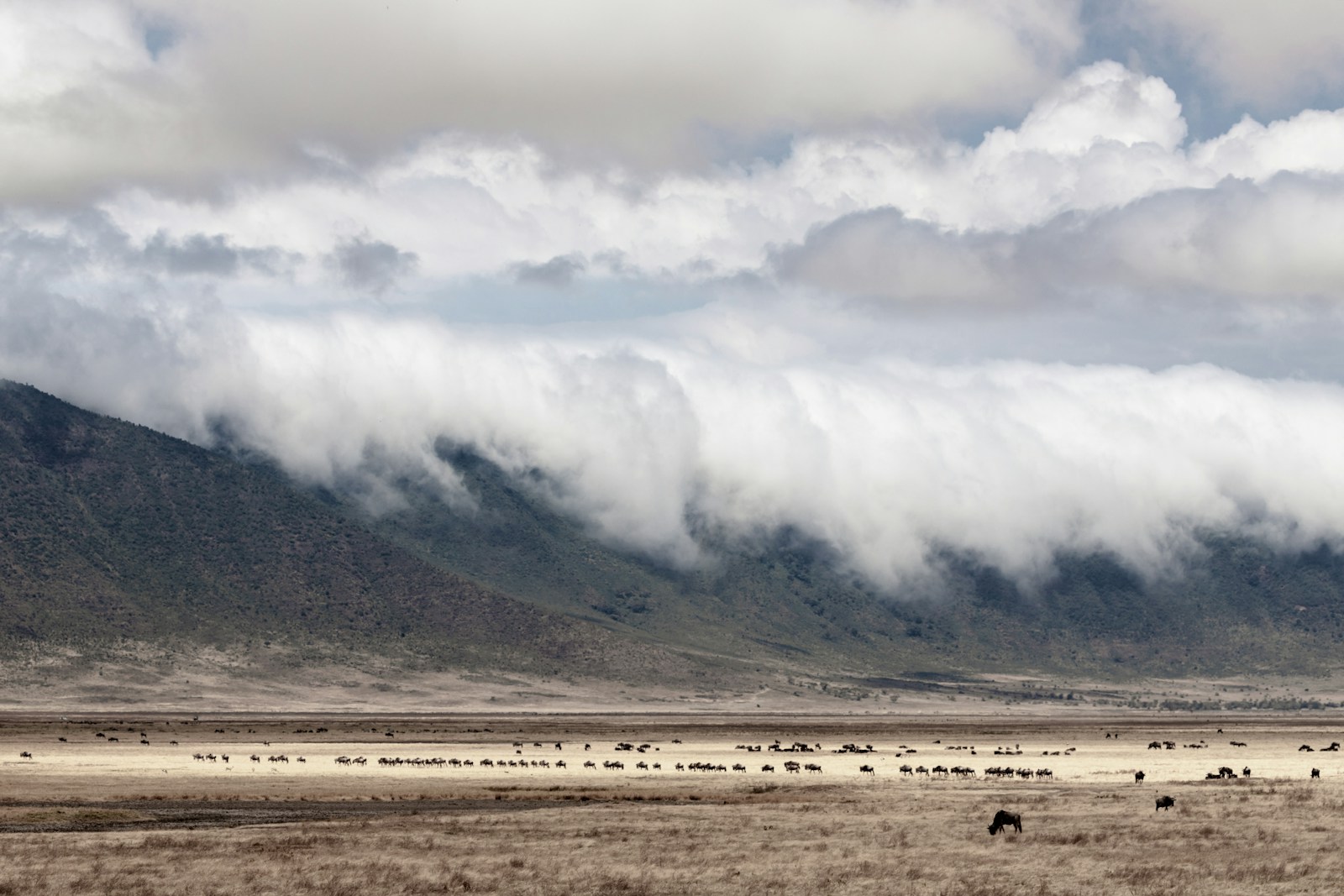
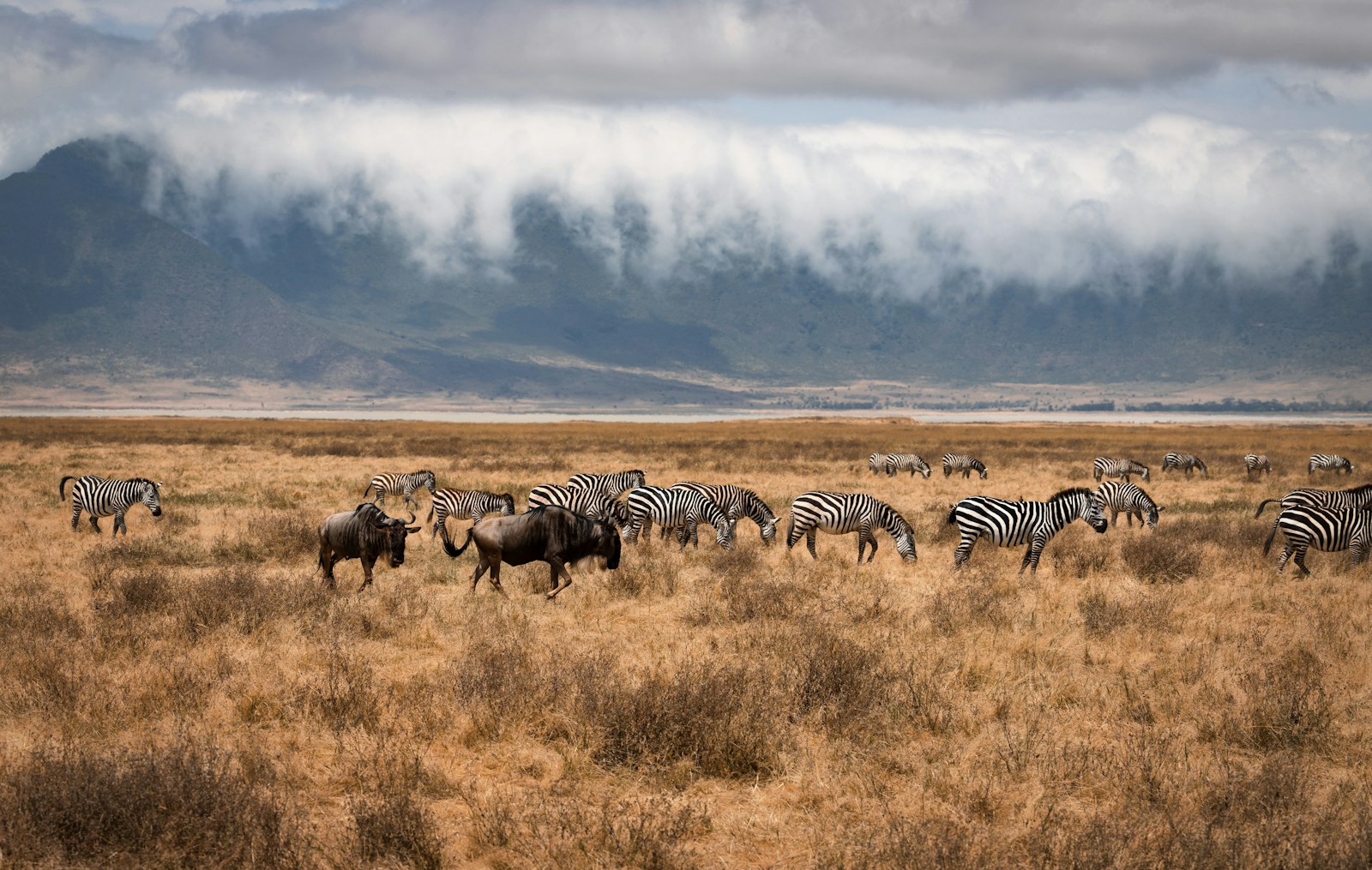
Wildlife in Ngorongoro Crater
The Ngorongoro Crater boasts the highest density of wildlife in Africa , with an estimated 25,000 large mammals inhabiting its compact floor . The crater’s steep walls, abundant water sources, and rich volcanic soil have created a self-sustaining ecosystem where most animals remain year-round rather than migrating .
The Big Five and Beyond
Ngorongoro is celebrated as one of the best places in Africa to observe the legendary Big Five (lion, leopard, elephant, buffalo, and rhino) . The crater has particularly high densities of elephants, lions, and buffalo , while the black rhino represents one of its most significant conservation successes . Though leopards are more elusive, they are regularly spotted