Tarangire National Park
Nestled within Tanzania’s celebrated Northern Safari Circuit, Tarangire National Park offers a uniquely serene and spectacular wilderness experience. While often overshadowed by its famous neighbors, this park carves out its own distinguished identity through two iconic features: massive herds of African elephants and the hauntingly beautiful baobab tree. This landscape provides a critical refuge for wildlife, especially during the dry months, making it an essential and unforgettable stop on any Tanzanian safari itinerary.
About Tarangire National Park
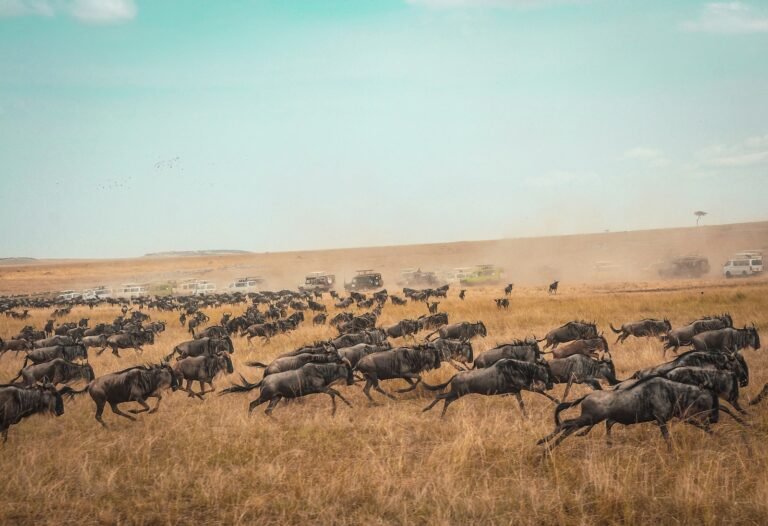
Often hailed as Tanzania's unsung safari hero, Tarangire National Park was formally established in 1970, expanding upon a protected area to safeguard a greater portion of this vital ecosystem. As Tanzania's sixth-largest national park, it spans an impressive 2,850 square kilometers—a territory comparable to the nation of Luxembourg. The park draws its name from the life-giving Tarangire River, which flows through its heart. The name itself is believed to translate to "the river where warthogs wander," a charming nod to one of its many resident species. What truly sets Tarangire apart, however, is its role as a dry-season sanctuary. When other water sources vanish, wildlife from vast distances converges on the perennial Tarangire River, creating a seasonal concentration of animals that rivals more famous locales. This influx leads to a "mini-migration," Tanzania's second-largest wildlife movement. With generally lower tourist numbers, visitors enjoy more intimate wildlife encounters and a profound sense of secluded adventure.
Key Park Highlights
Tarangire’s allure lies in its distinct attractions that create a diverse and captivating safari experience.
Thriving Elephant Populations
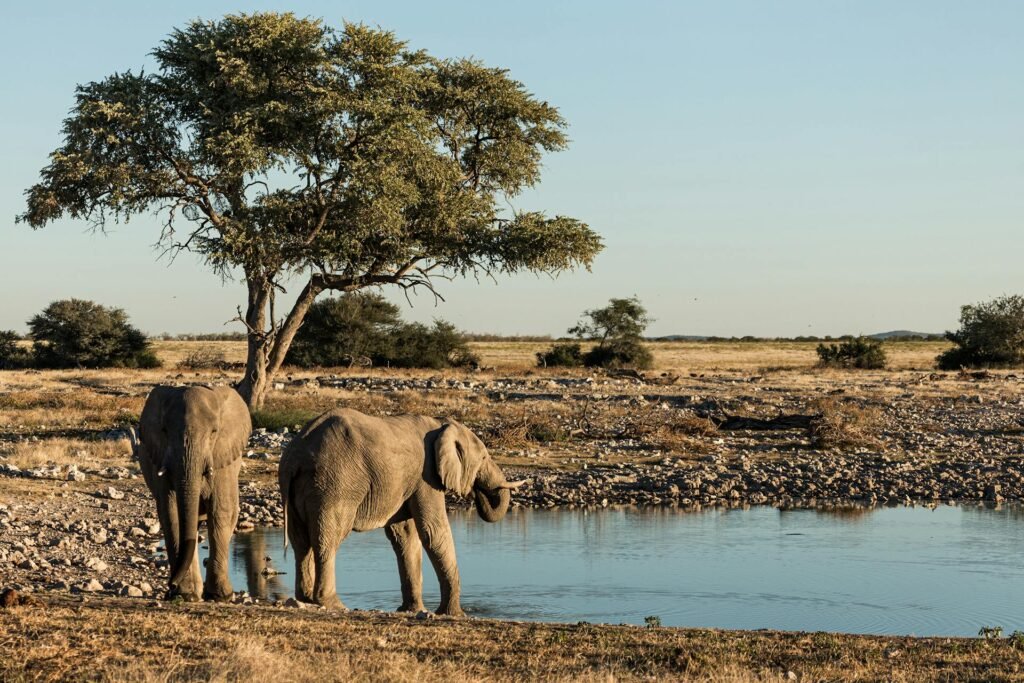
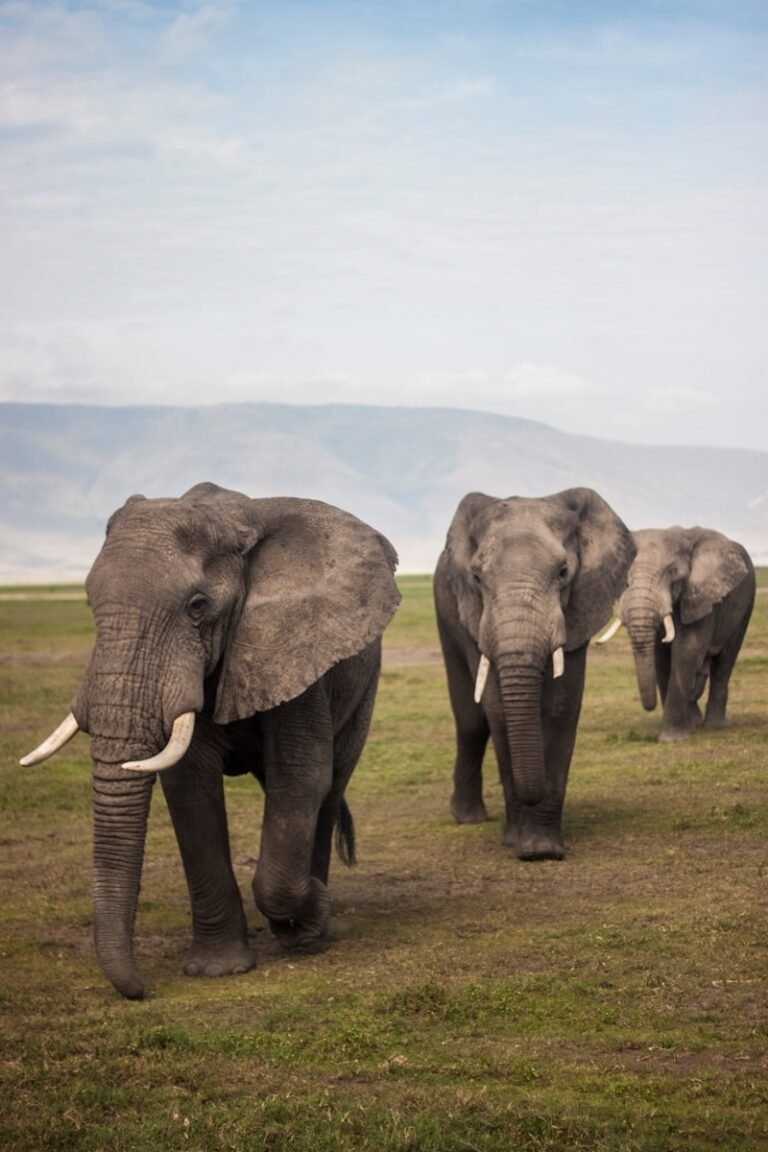
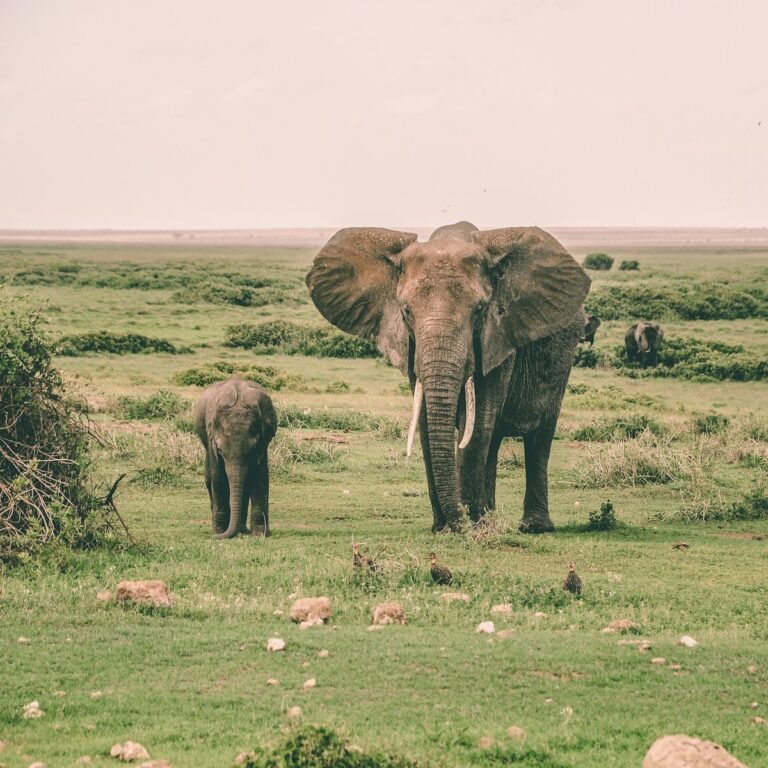
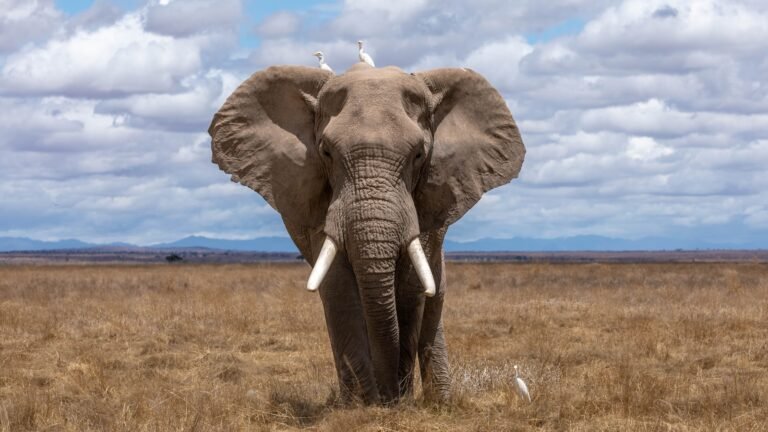
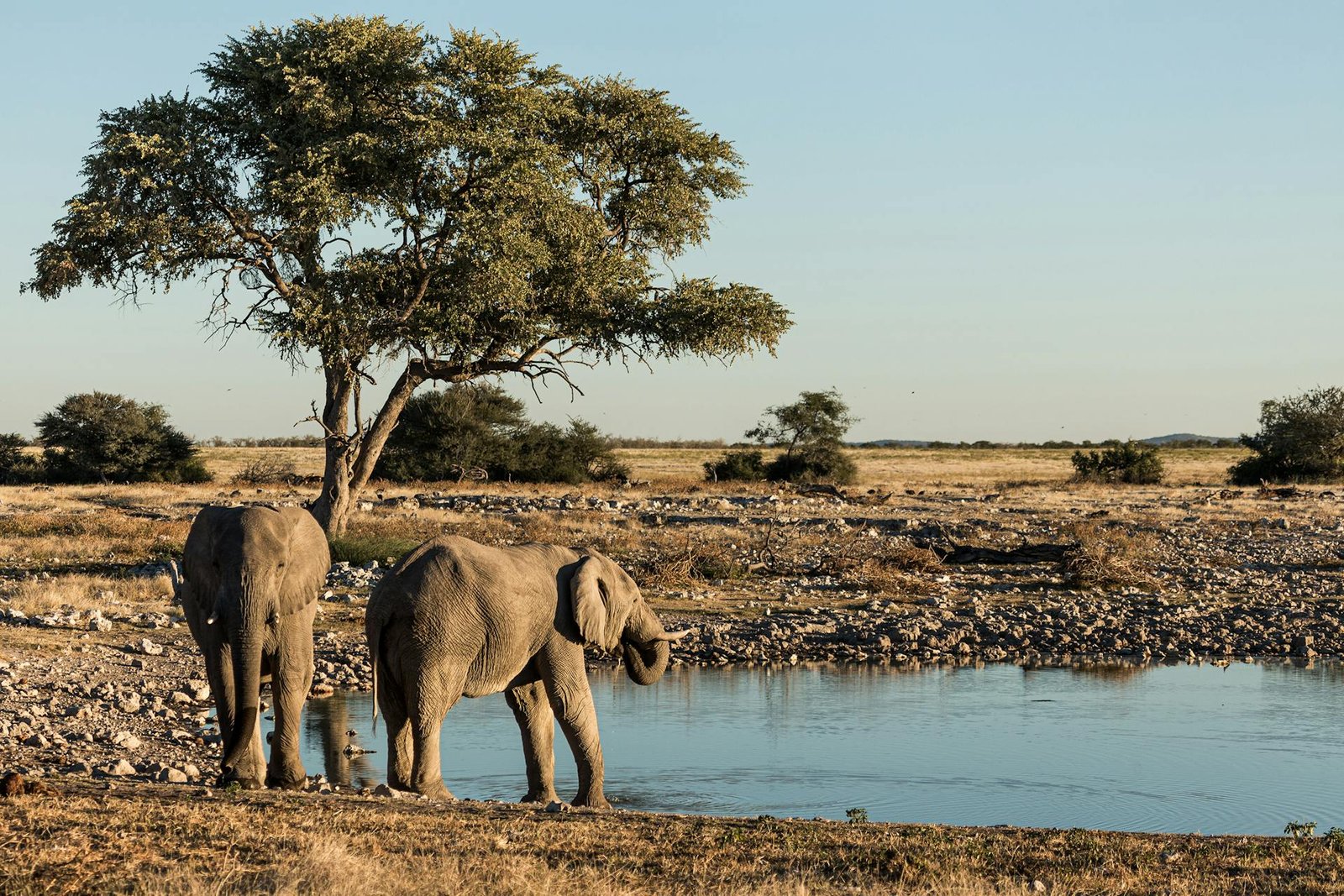
Witness some of the largest elephant herds in Africa, with numbers swelling to around 3,000 during the dry season. Observing families of up to 300 individuals is a common and awe-inspiring sight.
Ancient Baobab Forests:
The park's skyline is dominated by the majestic, "upside-down" baobab tree. These ancient giants, some of which you can even step inside like the famous "Poacher's Hide" tree, create a surreal and photogenic landscape.
Premier Birding Destination
A true paradise for ornithologists, Tarangire is home to over 545 bird species. Look for endemic species like the yellow-collared lovebird and a vibrant array of summer migrants.
Ancient Rock Art
Venture to the nearby Kolo area to discover hundreds of ancient rock paintings, offering a fascinating window into the lives of prehistoric human inhabitants.
Unique Wildlife Species
Spot rare and unusual animals not easily found elsewhere, including the elegant fringe-eared oryx, the long-necked gerenuk, and the diminutive dik-dik.
Abundant Predators
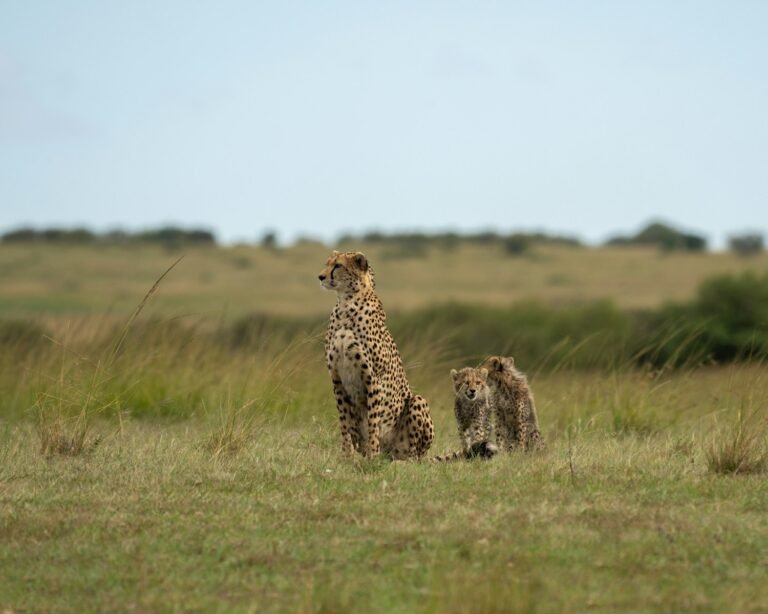
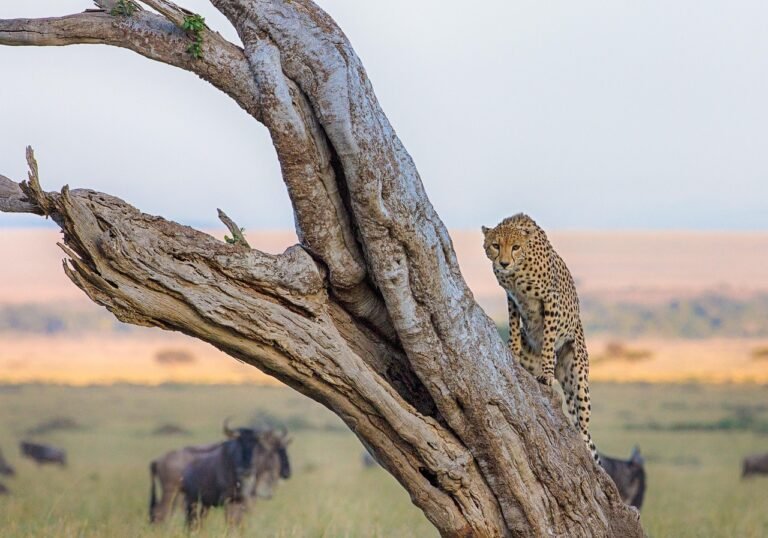
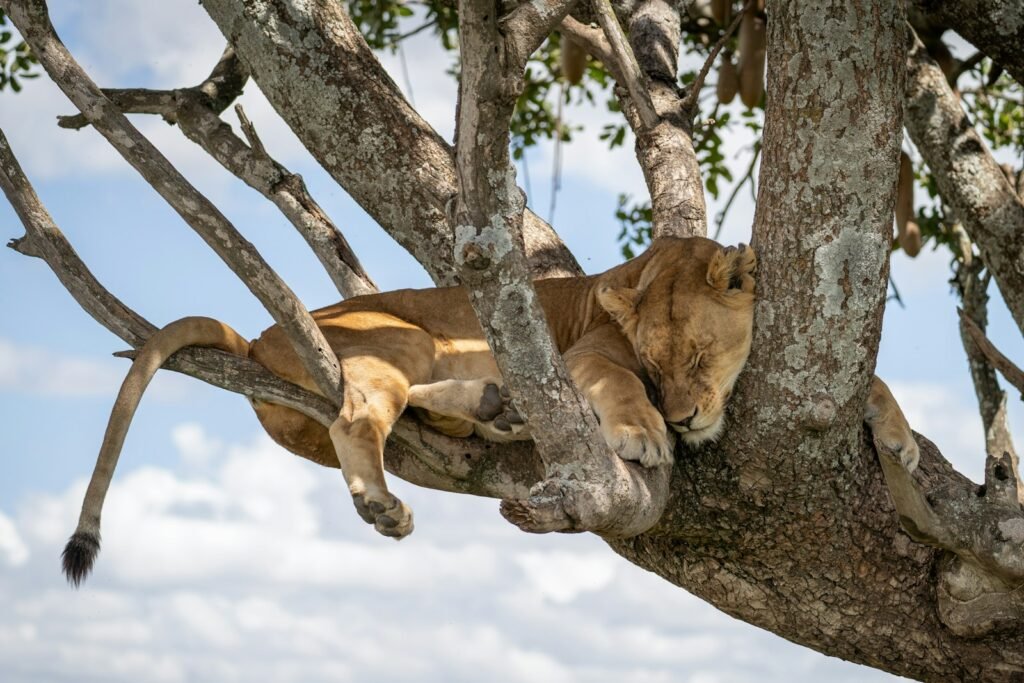
Excellent opportunities exist for viewing lions, leopards, and cheetahs. Tarangire is also one of the best places in Tanzania to spot the highly endangered African wild dog.
A Closer Look at the Wildlife
Tarangire provides a tranquil yet wildlife-rich safari experience, free from the crowds of more famous parks. The park's elephant population is its crown jewel, but the diversity doesn't end there. Large herds of wildebeest, zebra, and buffalo are common. The real thrill for seasoned safari-goers lies in finding the park's unique residents: the stately fringe-eared oryx and the impossibly slender gerenuk. Predators are well-represented, with healthy populations of lions, spotted hyenas, and leopards. For bird lovers, the variety is staggering, from massive ground hornbills and ostriches to colorful kingfishers and dozens of raptor species.
The Ever-Changing Landscape
Tarangire's beauty is expressed through a mosaic of habitats. The Tarangire River is flanked by golden floodplains and dense riverine forest. As you move north, the land rises into hills dotted with iconic baobabs and expansive woodlands. Seasonal swamps transform from lush, green marshes in the wet season to dusty, cracked earth in the dry, each phase supporting different life. Granite rock formations (kopjes) and ancient termite mounds add texture to the scenery, creating a complex and visually stunning ecosystem.
Weather, Climate & The Best Time to Visit
Understanding Tarangire's climate is key to planning your safari for the optimal experience.
June – October
This is the prime time for wildlife viewing. With minimal rainfall, animals are forced to congregate around the Tarangire River, making them easier to find. Skies are clear, and vegetation is thin, offering excellent visibility. Daytime temperatures are pleasant, but nights can be cool.
November – December
A period of unpredictable, short afternoon showers. The landscape begins to turn green, and it's a good time for birding, though wildlife is more dispersed.
January – February
A generally drier period between the rainy seasons, offering good game viewing.
March – May
This is the low season with heavy rainfall, making some roads impassable. The park is at its most lush and green, but wildlife is scattered and can be harder to spot.