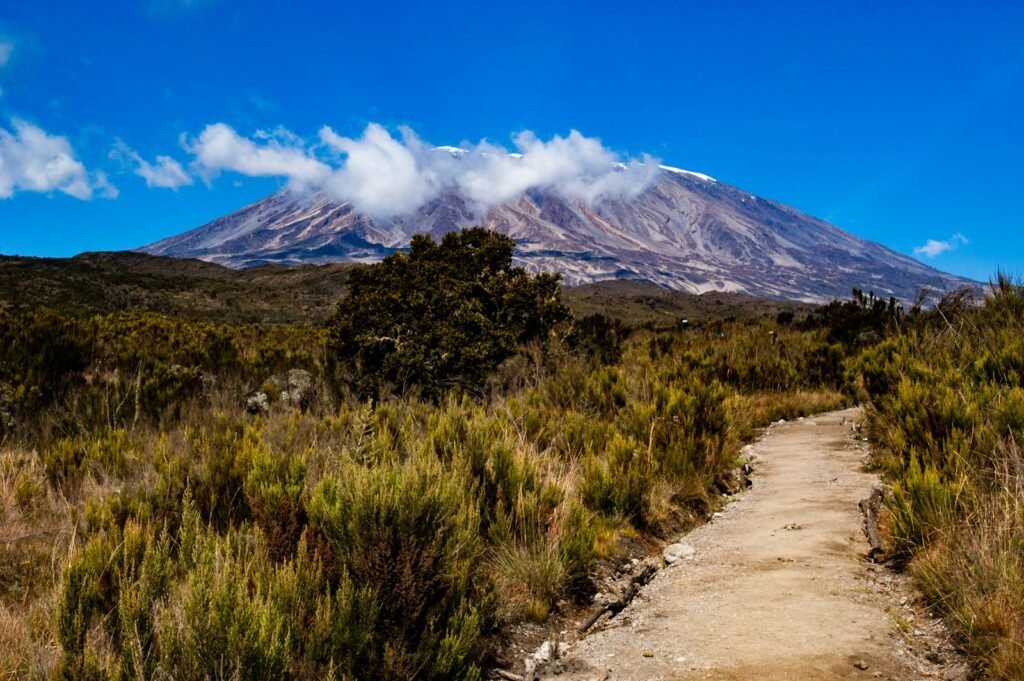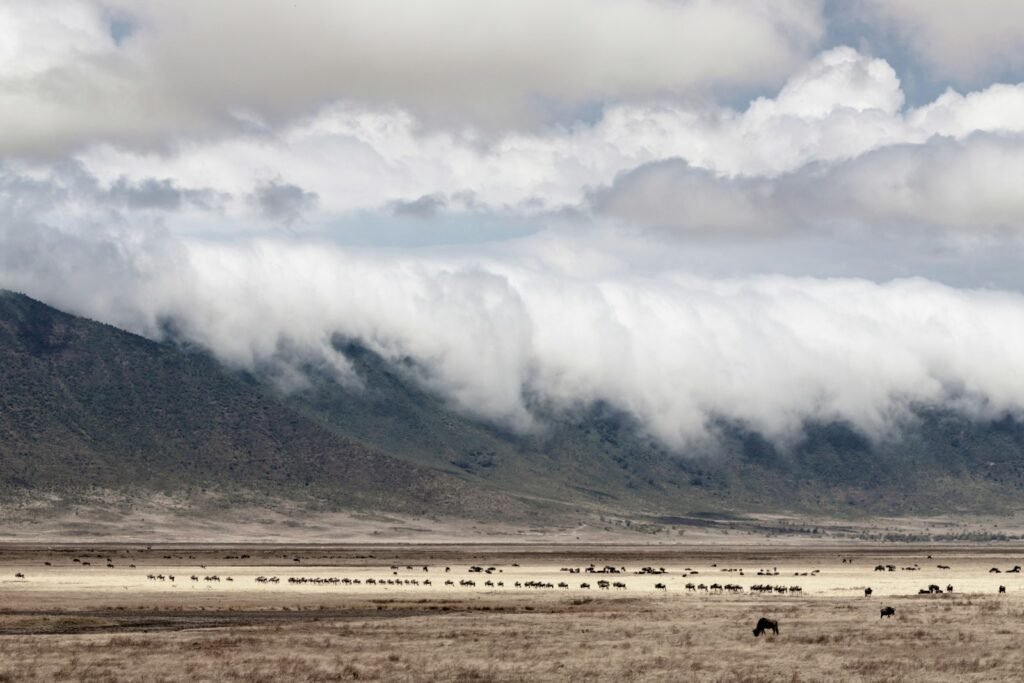
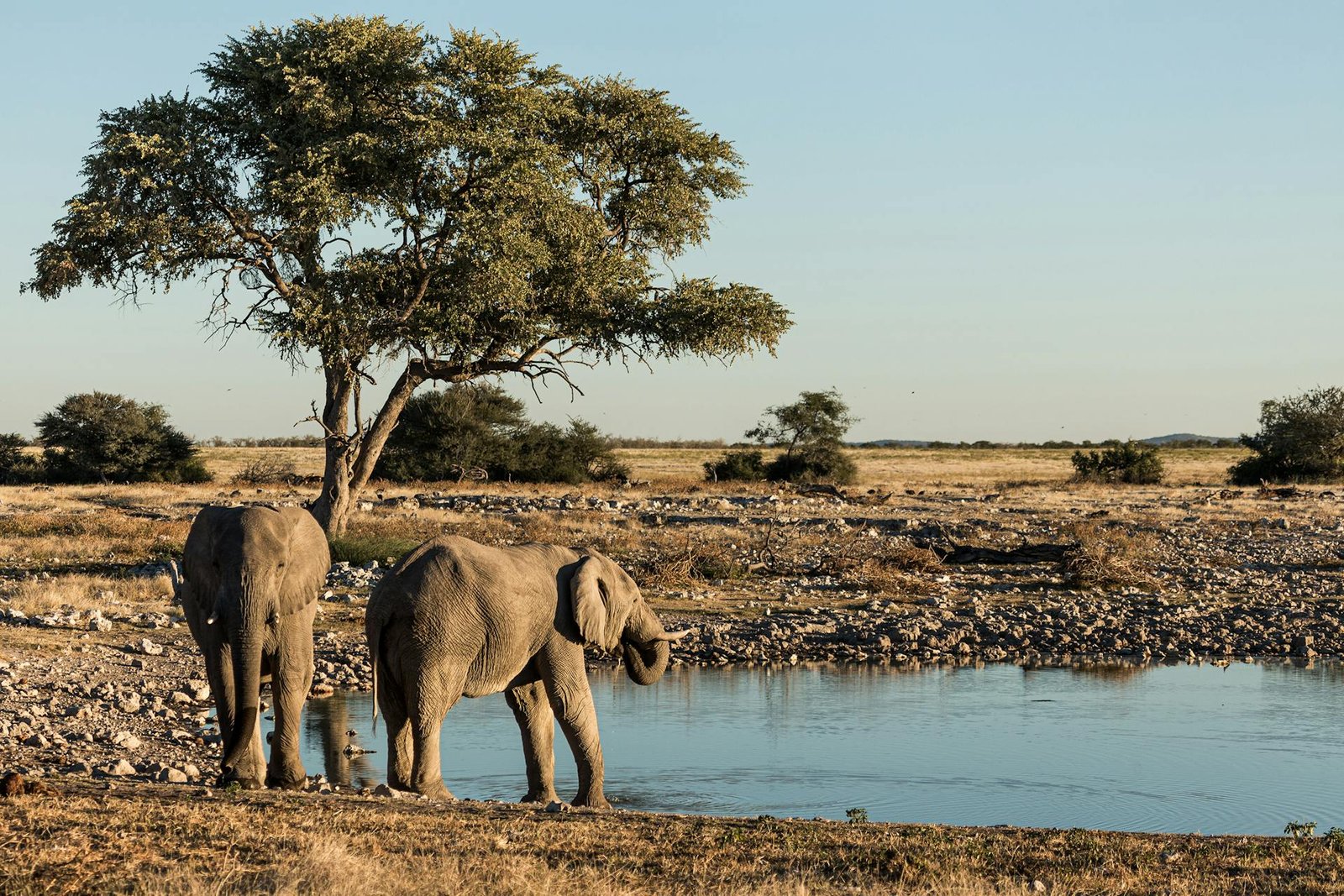
Tarangire National Park at a glance
- Where
- Northern Tanzania, south-west of Arusha
- Size
- 2,850 km²
- Named after
- The Tarangire River, which runs the length of the park
- Known for
- Elephant herds, baobab trees and over 550 bird species
- Best months
- June to October
- From Arusha
- About 120 km, two to two and a half hours by road
- Ideal stay
- One to two nights
- Pairs with
- Lake Manyara, Ngorongoro, Serengeti
“Tarangire National Park is famed for its awe-inspiring elephant herds—the largest in Tanzania—and its iconic baobab-dotted landscapes.”
Why the river matters
Tarangire works like a funnel. When the rains stop, waterholes across the surrounding Maasai Steppe dry out and the river becomes the one reliable place to drink. Animals walk in from far outside the park and stay until the rain returns.
This is why the same park can feel packed with wildlife in August and peaceful in March. Both are good. They are just different safaris.
What to see in Tarangire
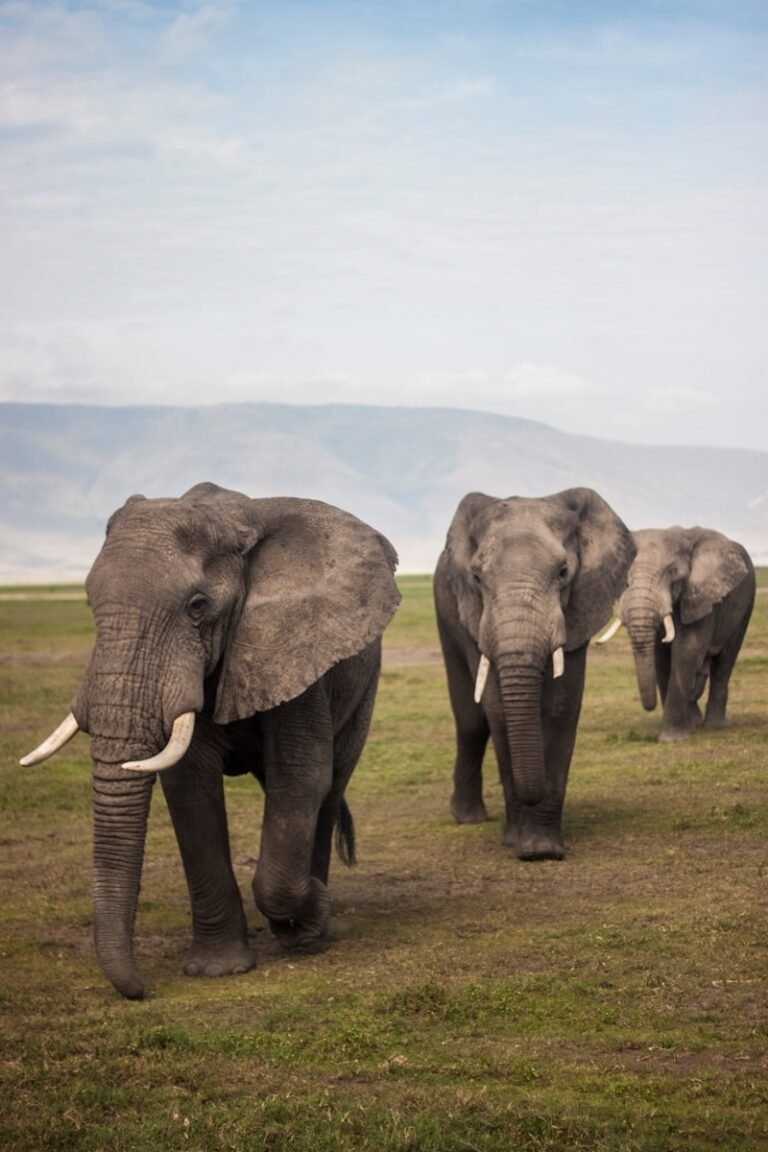
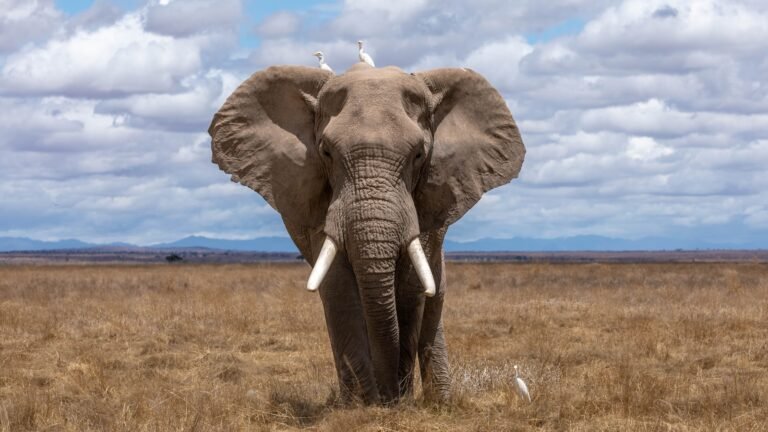
Elephants, family after family
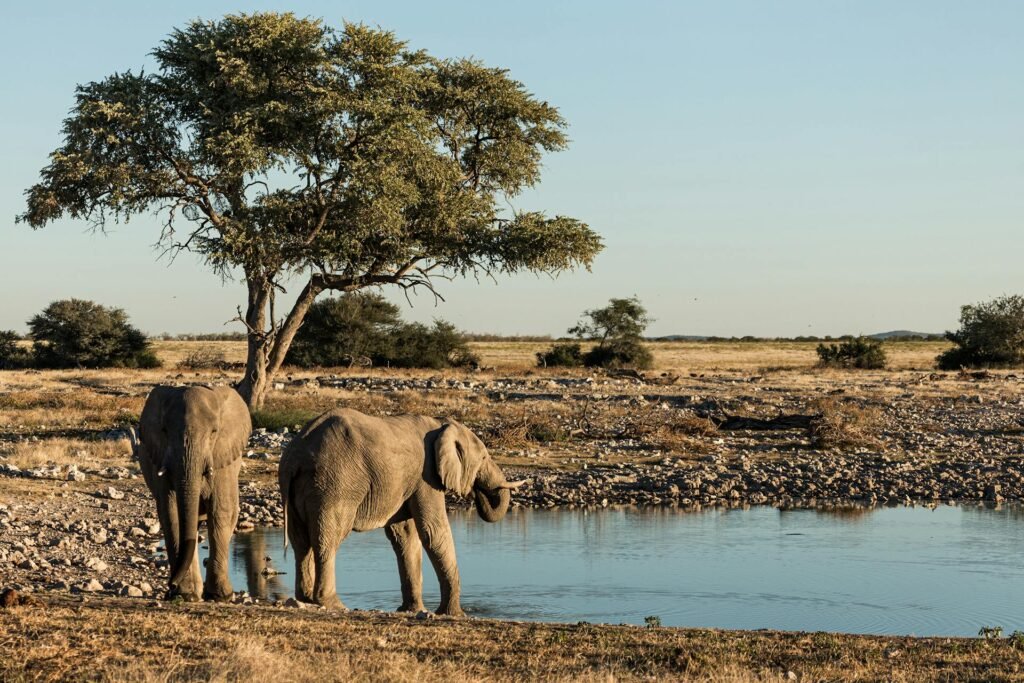
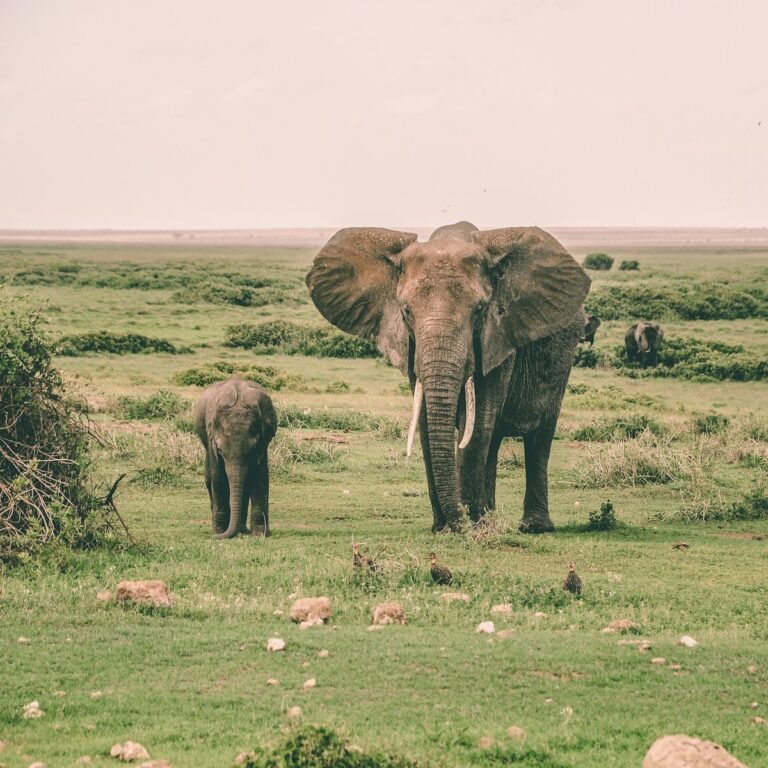
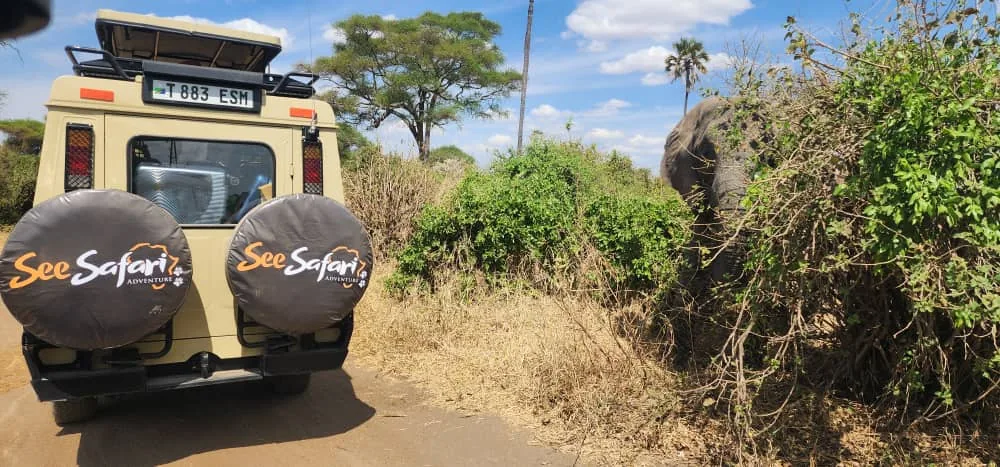
In the dry season you can sit by the river and watch herd after herd come down to drink, dig for water in the sand and spray dust. Calves stay tucked under their mothers.
We keep a respectful distance and switch the engine off, so they carry on as if we were not there.
Baobabs older than any building
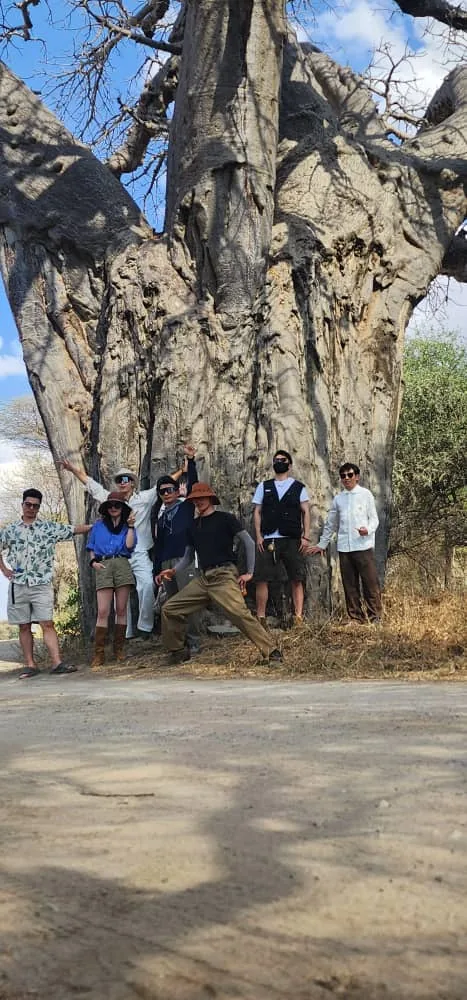
Tarangire’s skyline belongs to the baobab. The trunks store water, which is why elephants strip the bark in dry years and leave the scars you will see on almost every tree.
Stand beside one for scale. Our guests in this photo are not short.
More to look for
- Birds. TANAPA records over 550 species, from ostrich to tiny lovebirds.
- Big cats. Lions are common. Leopards favour the sausage trees by the river.
- Dry-country antelope. Fringe-eared oryx and the long-necked gerenuk live here but are hard to find.
- Giraffe, zebra and wildebeest. Large mixed herds on the river flats from July.
- Silale Swamp. Green all year, with buffalo, elephant and tree pythons.
- Termite mounds. Look for dwarf mongooses on top, keeping watch.
Best time to visit Tarangire
- JanGreen
- FebGreen
- MarRains
- AprRains
- MayRains
- JunDry
- JulDry
- AugPeak
- SepPeak
- OctPeak
- NovShowers
- DecGreen
| Season | Weather | Wildlife | Good to know |
|---|---|---|---|
| June to October | Dry and sunny, cool mornings | Elephants and big herds packed along the river | The best months. Book lodges early for August and September. |
| November to February | Warm, with short showers | Animals spread out. Migrant birds arrive. | Green scenery, baby animals and lower prices. |
| March to May | The long rains | Harder to find in tall grass | Some tracks flood and a few camps close. Very quiet. |
Tarangire compared with other northern parks
Most travellers do not choose one park. They combine two or three. This table shows what each adds.
| Park | Size | From Arusha | Best for |
|---|---|---|---|
| Tarangire | 2,850 km² | About 2 hours | Elephants, baobabs, fewer vehicles |
| Lake Manyara | 648.7 km² | About 2 hours | Forest, birds, a short and varied game drive |
| Ngorongoro Crater | 264 km² crater | 3 to 4 hours | Dense wildlife in one morning, black rhino |
| Serengeti | 14,763 km² | 7 to 8 hours, or a 1 hour flight | The Great Migration and big cats |
Planning your Tarangire safari
- Getting there. A smooth tarmac drive from Arusha, then a short dirt road to the main gate. You can be on a game drive before lunch on your first day.
- How long. One night suits most itineraries. Stay two if you love elephants or birds, or want the quieter south of the park.
- On foot. Walking safaris with an armed ranger can be arranged at some camps. Tell us when you enquire and we will choose a camp that offers them.
- Tsetse flies. They live in the denser woodland. Wear light colours, avoid dark blue and black, and bring repellent.
A side trip into the past: Kondoa rock art
South of the park lie the Kondoa Rock-Art Sites, a UNESCO World Heritage Site. UNESCO describes more than 150 rock shelters painted over at least two thousand years. It is a full day’s outing, so ask us if you would like it built into your route.
Tarangire safaris with See Safari Adventure
We start many of our northern Tanzania safaris here, because it is an easy drive from Arusha and a gentle first day. Every trip is private, with your own guide and a 4×4 with a pop-up roof.
- 4daysTarangire, Serengeti and Ngorongoro SafariPrice on request
- 5daysNorthern Circuit Mid-Range SafariFrom US$2,250 pp
- 7daysNorthern Circuit Explorer SafariFrom US$3,150 pp
- 7daysKenya and Tanzania: Amboseli, Tarangire and the CraterFrom US$2,900 pp
- 8daysKenya and Tanzania: Masai Mara to SerengetiFrom US$3,800 pp
Travelling in the dry season? Tell us your dates and we will check which camps near the river still have space.
Sources
- Tanzania National Parks (TANAPA): About Tarangire. Park size, the origin of the name and the elephant herds.
- TANAPA: Tarangire National Park brochure (PDF). Bird species count.
- UNESCO World Heritage Centre: Kondoa Rock-Art Sites.
Seasons, drive times and wildlife notes come from our own guides. Last reviewed November 2026.