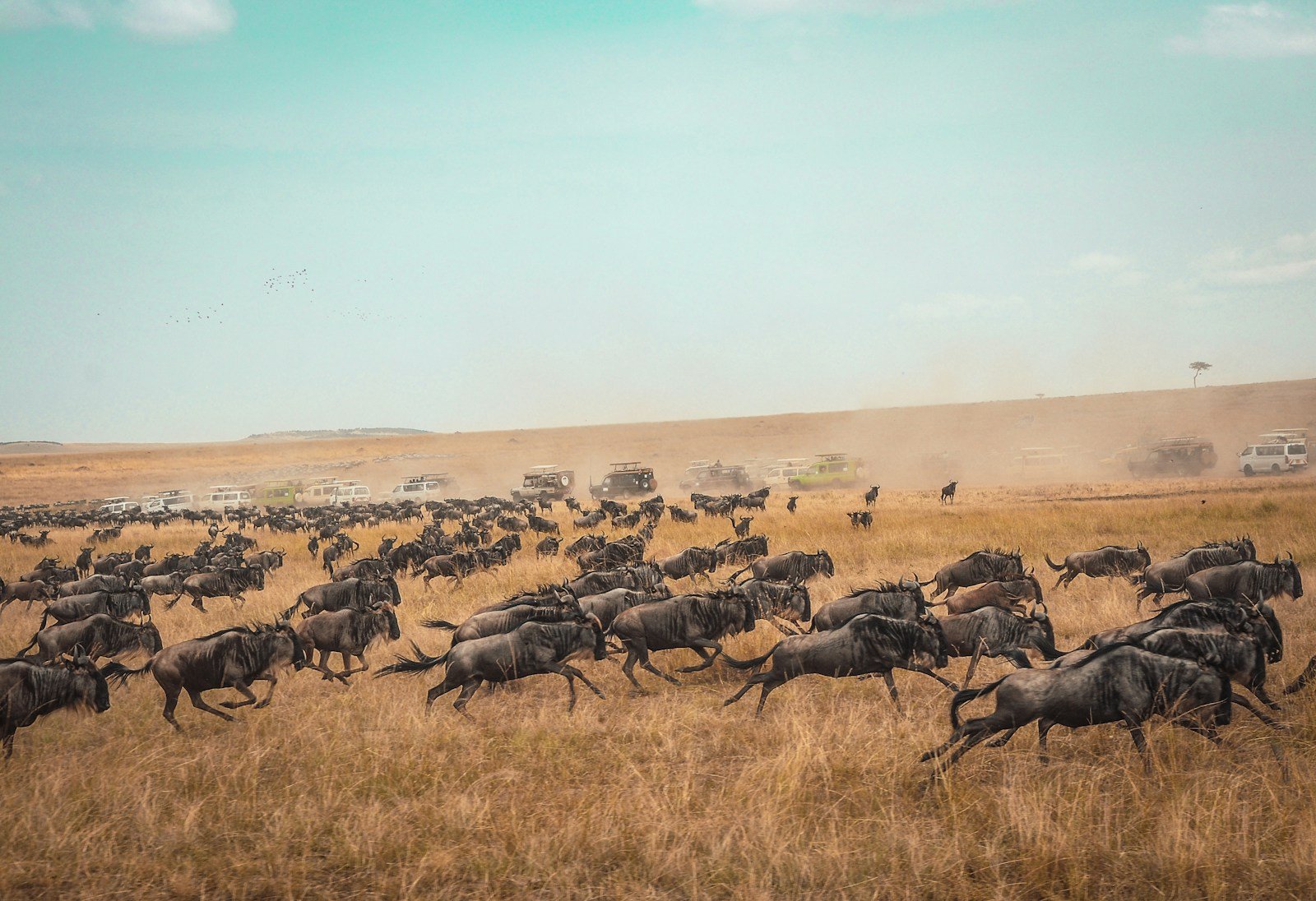
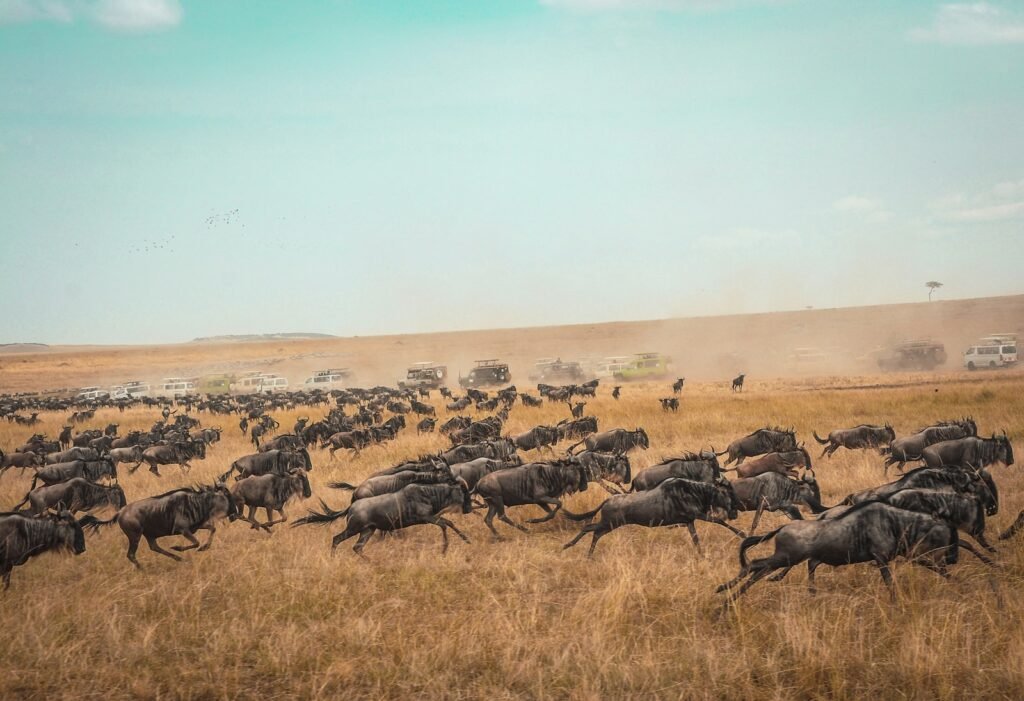
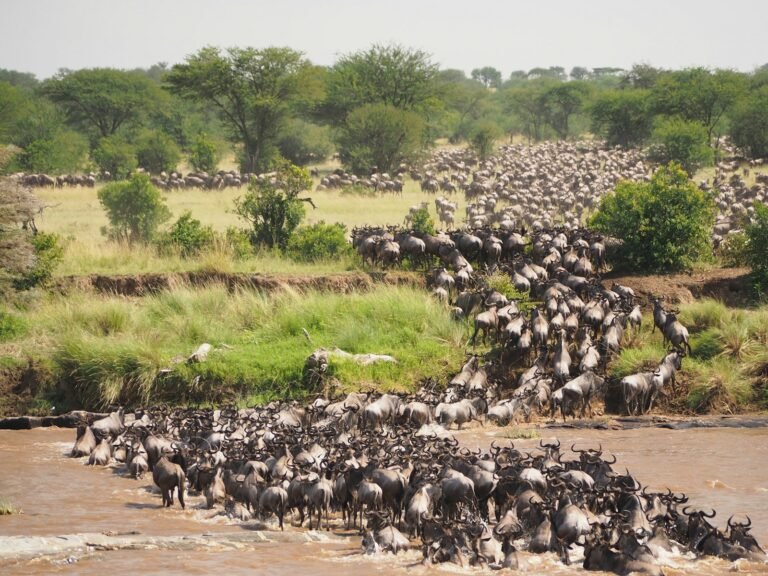
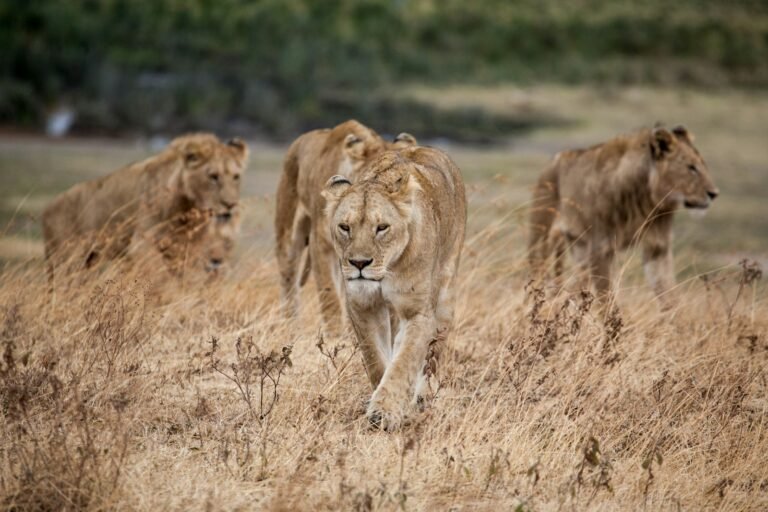
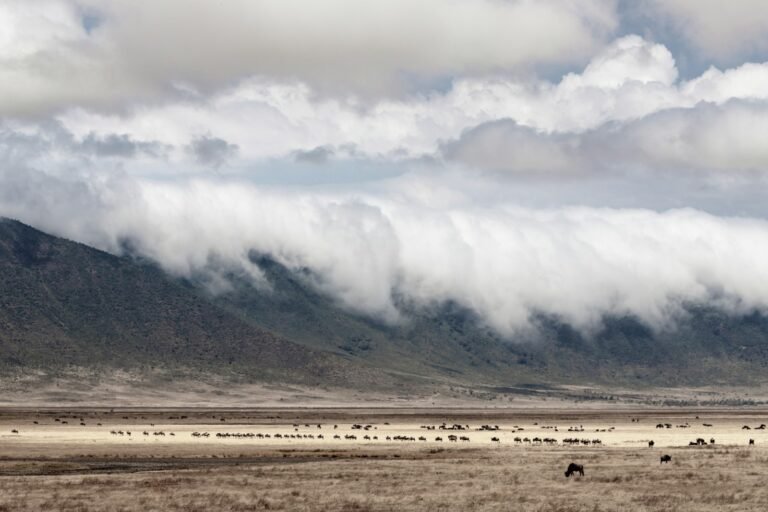
Wildebeest running across the plains during the Great Migration

9-Day Great Migration Mid-Range Safari: Tarangire, Serengeti & Ngorongoro

Duration 9 days
Country Tanzania
Parks Tarangire · Lake Manyara · Serengeti · Ngorongoro
Style Great Migration
Request a quote

Overview

Your trip at a glance

A nine-day mid-range Great Migration safari with Tarangire, Lake Manyara, five Serengeti nights placed where the herds are for your month, and the Ngorongoro Crater.

This nine-day Great Migration mid-range safari gives you time to see Tanzania properly. Start with elephants and baobabs in Tarangire and tree-climbing lions in Lake Manyara, then spend five nights in the Serengeti: two in the central Seronera valley and three in a seasonal camp placed where the wildebeest herds are during your travel month.

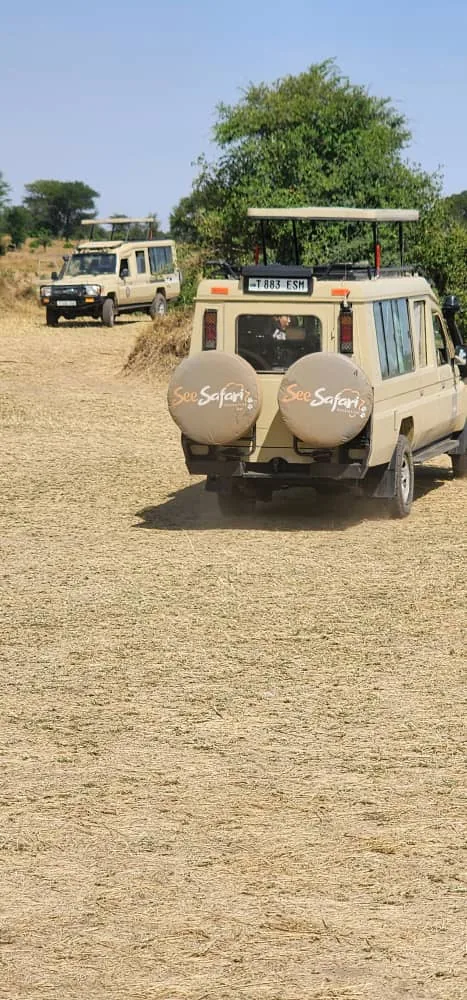
We finish with a full day on the floor of the Ngorongoro Crater, one of the best places in Africa to look for black rhino. You travel in a private 4×4 with a pop-up roof, stay in comfortable mid-range lodges and tented camps, and your guide plans each game drive around the herds and the light.

Where the herds will be

From December to March the herds calve on the southern plains around Ndutu; from April to June they move through the central Serengeti and the Western Corridor; from July to October they cross the Mara River in the north. We book your migration camp in the right area for your dates, and the calendar below shows what to expect each month.

Who this safari suits

First-time visitors who want the Great Migration plus the classic northern circuit parks without the cost of a luxury fly-in safari. Nine days means fewer long drives per day and more time watching wildlife.

Price and booking basis

From US$4,450 per adult, based on two adults travelling together in a private safari vehicle and sharing a twin/double room in mid-range accommodation, outside peak holiday dates. 9 days and 8 nights. Exact dates, lodge availability and current park fees determine the final quote.

Accommodation listed is proposed and confirmed at booking, with equivalent alternatives offered where needed. Wildlife sightings are never guaranteed.

Day by day

Itinerary

  1. Arusha to Tarangire National Park

    Leave Arusha after breakfast for Tarangire, famous for its big elephant herds, giant baobabs and the Tarangire River. Enjoy an afternoon game drive and a picnic lunch in the park.

    Overnight · Mid-range lodge near Tarangire; confirmed at bookingMeals · Lunch, Dinner
  2. Lake Manyara National Park

    Explore Lake Manyara's groundwater forest and lake shore, home to baboons, elephants, flamingos in season and the park's tree-climbing lions. Continue to the green highlands of Karatu.

    Overnight · Mid-range Karatu lodge; confirmed at bookingMeals · Breakfast, Lunch, Dinner
  3. Karatu to the Central Serengeti

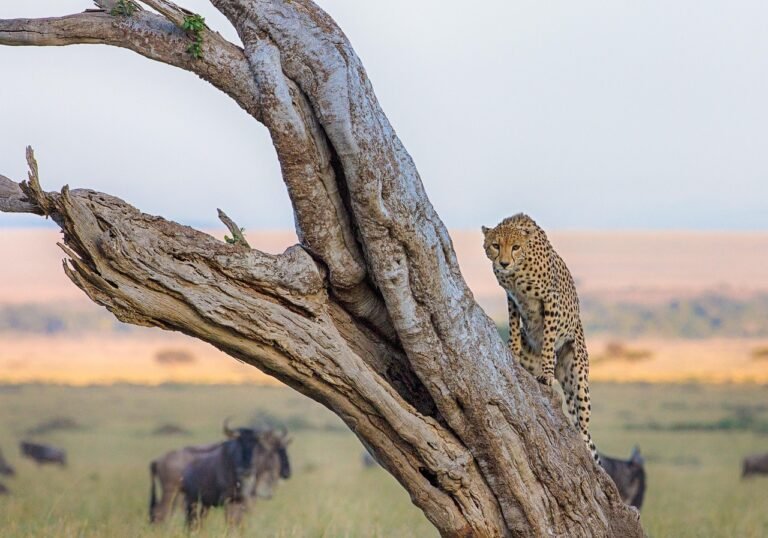
    Drive over the Ngorongoro highlands with a stop at Olduvai Gorge, then enter the Serengeti through Naabi Hill. Game drive to the Seronera valley, known for lions, leopards and cheetahs.

    Overnight · Mid-range Central Serengeti tented camp; confirmed at bookingMeals · Breakfast, Lunch, Dinner
  4. Central Serengeti full day

    A full day exploring the rivers and kopjes of Seronera with a picnic lunch. Your guide checks recent sightings and plans the next day's route to the herds.

    Overnight · Mid-range Central Serengeti tented camp; confirmed at bookingMeals · Breakfast, Lunch, Dinner
  5. Into the migration area

    Head to the part of the Serengeti where the herds are for your month: Ndutu and the southern plains (December to March), the Western Corridor (May to July) or the northern Serengeti near the Mara River (July to October).

    Overnight · Mid-range seasonal migration camp; confirmed at bookingMeals · Breakfast, Lunch, Dinner
  6. A full day with the herds

    Spend the day with the migration, watching the herds graze and move with the predators that follow them. Depending on the season this may be calving on the plains or the build-up to a river crossing.

    Overnight · Mid-range seasonal migration camp; confirmed at bookingMeals · Breakfast, Lunch, Dinner
  7. Second migration day

    Another full day in the migration area gives you the best chance of the big moments, such as a river crossing or a hunt. Optional sunrise balloon flight at extra cost.

    Overnight · Mid-range seasonal migration camp; confirmed at bookingMeals · Breakfast, Lunch, Dinner
  8. Serengeti to the Ngorongoro highlands

    A final morning game drive, then drive back towards the Ngorongoro Conservation Area, arriving at your lodge in Karatu or on the crater rim for dinner.

    Overnight · Mid-range Karatu or crater-rim lodge; confirmed at bookingMeals · Breakfast, Lunch, Dinner
  9. Ngorongoro Crater and return to Arusha

    Descend early into the Ngorongoro Crater for a game drive among lions, buffalo, hippos and, with luck, black rhino. Picnic lunch on the crater floor, then drive back to Arusha in the late afternoon.

    Overnight · Not included; ends in ArushaMeals · Breakfast, Lunch

Great Migration calendar

Where are the herds when you travel?

Over two million wildebeest, zebra and gazelle move in a year-round loop between Tanzania's Serengeti and Kenya's Masai Mara, following the rains and fresh grass. Pick your travel month to see where the herds usually are and how we plan your route.

Simplified map of the Great Migration route through the Serengeti and Masai MaraKENYATANZANIAMasai MaraNorthern SerengetiWestern CorridorCentral (Seronera)Southern plains & Ndutu
Calving begins

January: Southern Serengeti & Ndutu

The herds have settled on the short-grass plains of the southern Serengeti and the Ndutu area of the Ngorongoro Conservation Area. The grass is rich after the short rains, and the first wildebeest calves arrive towards the end of the month.

Our tip: Base yourself near Ndutu or in a southern Serengeti seasonal camp. Pair it with a Ngorongoro Crater day.

Plan a January migration safari
Peak calving

February: Southern Serengeti & Ndutu

Calving season peaks: thousands of calves are born every day over two to three weeks. Lions, cheetahs and hyenas stay close to the herds, so predator sightings are at their most dramatic.

Our tip: February is one of the best months of the year. Book southern camps early, they fill fast.

Plan a February migration safari
Young calves

March: Southern plains & Ndutu

The calves are growing stronger and the herds are still spread across the southern plains. As the long rains approach and the plains start to dry, the wildebeest begin to gather into larger groups.

Our tip: Lower green-season rates often start now, with excellent wildlife and fewer vehicles.

Plan a March migration safari
Moving north-west

April: Moru Kopjes & Central Serengeti

With the long rains, the herds start moving north-west from the southern plains past the Moru Kopjes towards the central Serengeti. The landscape is lush and green.

Our tip: Quietest month of the year. Some camps close, so ask us which ones are open for your dates.

Plan a April migration safari
Long columns & rut

May: Central Serengeti to the Western Corridor

Long columns of wildebeest and zebra, sometimes stretching for kilometres, move through the Seronera area towards the Western Corridor. The mating season (rut) begins.

Our tip: Seronera in the central Serengeti is a great base, with year-round resident predators.

Plan a May migration safari
Grumeti crossings

June: Western Corridor & Grumeti River

The herds gather in the Western Corridor and face the Grumeti River, where large crocodiles wait. The rut is in full swing, and the leading groups start pushing north.

Our tip: Stay in the Western Corridor or Grumeti area for the first river crossings of the year.

Plan a June migration safari
First Mara crossings

July: Western Corridor to Northern Serengeti

The migration moves into the northern Serengeti. Depending on the rains, the first Mara River crossings can start from mid to late July, and the herds begin arriving in Kenya's Masai Mara.

Our tip: Combine the central and northern Serengeti to follow the herds as they move.

Plan a July migration safari
Mara River crossings

August: Northern Serengeti & Masai Mara

Peak river-crossing season. The herds move back and forth across the Mara River between the northern Serengeti (Kogatende and Lamai) and the Masai Mara in Kenya.

Our tip: The most popular month. Book 6 to 12 months ahead for camps close to the river.

Plan a August migration safari
Crossings continue

September: Northern Serengeti & Masai Mara

River crossings continue in both directions. Herds are spread between the northern Serengeti and the Masai Mara, with big cats following them closely.

Our tip: Slightly fewer visitors than August, with the same chance of crossings.

Plan a September migration safari
Turning south

October: Masai Mara & Northern Serengeti

As the short rains approach, the herds start leaving the Masai Mara and heading south through the northern Serengeti. Late crossings are still possible.

Our tip: Good value in the north before the short rains, with occasional river crossings.

Plan a October migration safari
Heading south

November: Eastern & Central Serengeti

With the short rains, the herds move quickly south through the Lobo area and the eastern Serengeti towards Seronera and the southern plains.

Our tip: The herds move fast this month. A flexible route through the central Serengeti works best.

Plan a November migration safari
Back on the plains

December: Southern Serengeti & Ndutu

The herds arrive back on the fresh green grass of the southern Serengeti and Ndutu, where they will stay for the calving season. The cycle starts again.

Our tip: A great time for a festive-season safari. Book early for Christmas and New Year dates.

Plan a December migration safari

The migration follows the rain, so timings shift a little each year. River crossings are never guaranteed; our guides track the herds daily and adjust your game drives to give you the best chance.

What's included

Price includes & excludes

Included

  • Private 4x4 safari vehicle with pop-up roof and English-speaking driver-guide
  • Park and conservation entry fees for the visits in the itinerary, including one Ngorongoro Crater vehicle descent
  • Accommodation in shared twin/double rooms as listed, subject to availability
  • Meals shown in the daily itinerary and drinking water during game drives
  • Game drives and Arusha hotel pickup/drop-off as described
  • Three nights in a seasonal mid-range tented camp in the migration area

Not included

  • International flights
  • Visas, travel insurance and medical cover
  • Tips for guides and lodge staff
  • Drinks other than drinking water, laundry and personal purchases
  • Optional activities such as balloon flights unless listed as included
  • Hotels before and after the safari

Keep exploring

You might also like

9 days · tailor-made Request a quote