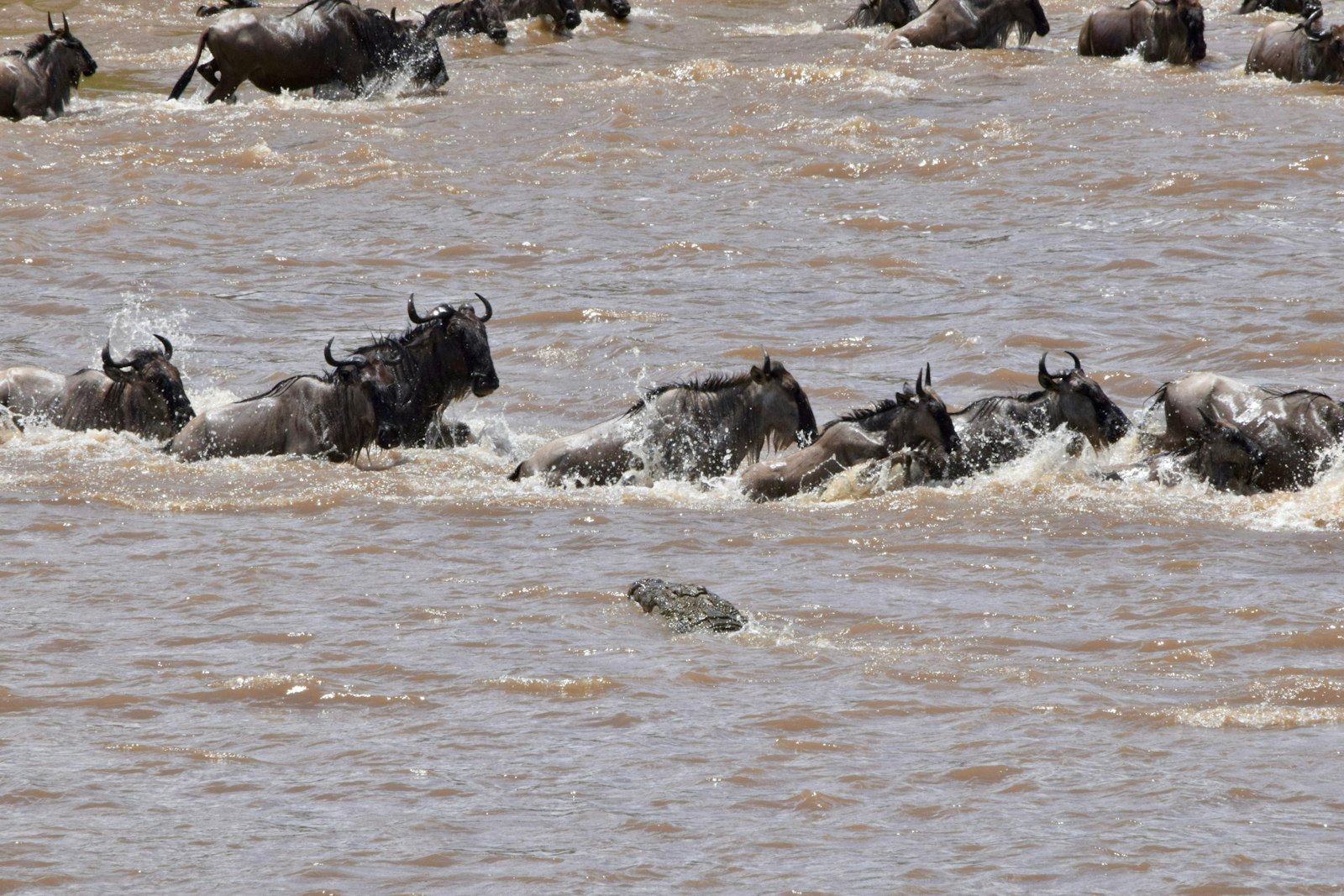
Wildebeest swimming across the Mara River as a crocodile waits in the water ★★★★★ Rated 4.9 on Google, Tripadvisor & SafariBookings

Great Migration Safaris in the Serengeti & Masai Mara

Follow more than a million wildebeest and zebra across the Serengeti and Masai Mara.

Overview

The greatest wildlife show on Earth

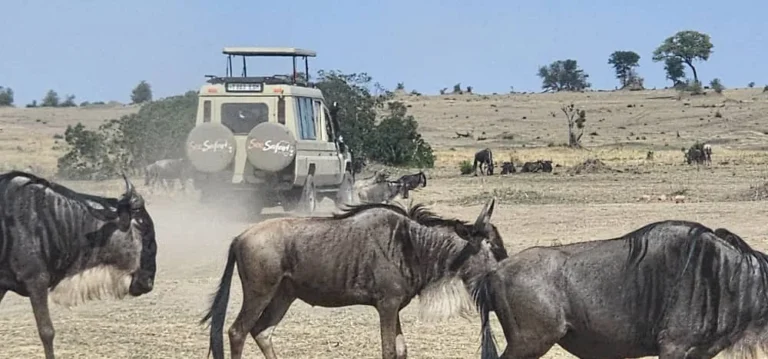
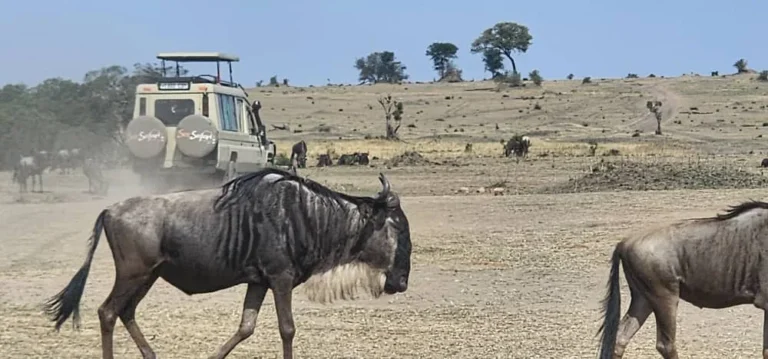
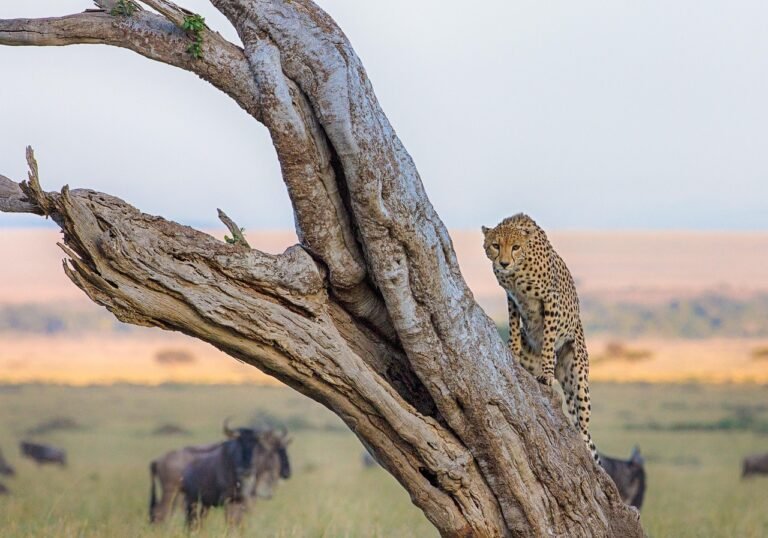
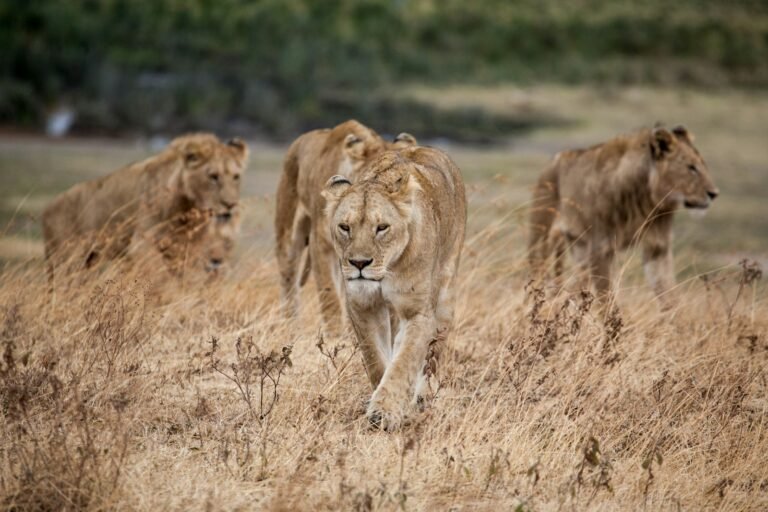
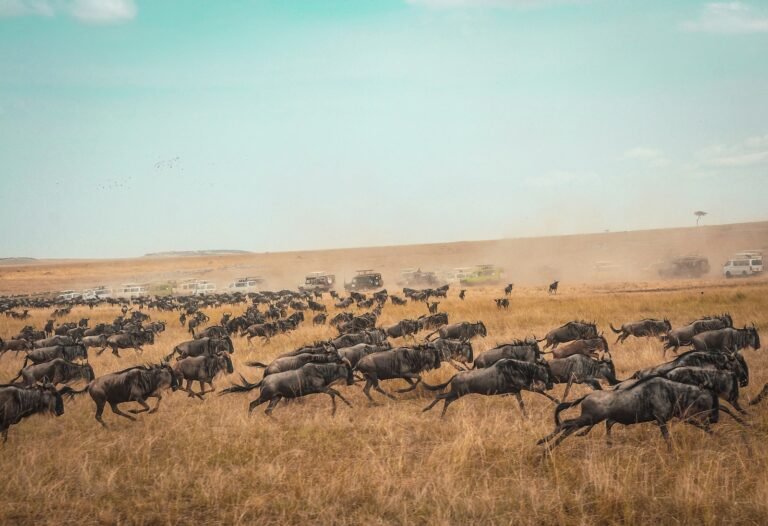
Every year, more than a million wildebeest, along with hundreds of thousands of zebra and gazelle, move in a great loop through Tanzania's Serengeti and Kenya's Masai Mara, following the rains and fresh grass. Lions, leopards, cheetahs, hyenas and Nile crocodiles follow close behind. The Great Migration is one of the greatest wildlife spectacles on Earth. With good timing and the right camp, you can be in the middle of it.

Best time to go Jan – Mar & Jul – Oct
Trips available 7 safaris
Travel style Private & tailor-made

Great Migration month by month

The herds never stop moving and the timing changes with the rains each year. This is the general pattern our guides plan around:

Months Where the herds usually are What to expect
December – MarchSouthern Serengeti & Ndutu (Ngorongoro Conservation Area)Calving season, with thousands of calves born each day around February and intense predator action
April – MayCentral SerengetiThe long rains. Herds move north-west, scenery is green and there are fewer visitors
June – JulyWestern Corridor (Grumeti River)Herds gather, the rut begins and the first river crossings take place
July – OctoberNorthern Serengeti (Kogatende) & Masai MaraThe famous Mara River crossings
NovemberMoving south through the eastern SerengetiThe short rains bring the herds back towards the southern plains

The Mara River crossings

From around July to October, the herds bunch up on the banks of the Mara River before plunging in, while crocodiles wait in the water. Crossings can happen several times a day or not for days, so it pays to stay close. On our 5-Day Serengeti Great Migration Safari you stay in camps that move with the migration in the far north of the Serengeti, then fly back to Kilimanjaro.

The calving season

From roughly late January to March, the southern Serengeti and Ndutu plains become a huge nursery. It's a quieter, less crowded time to see the migration, with remarkable predator sightings and lush green landscapes.

Our Great Migration safaris

Every migration safari is tailor-made. Tell us your dates and we'll place you where the herds are most likely to be.

Serengeti or Masai Mara?

Most of the migration route is in Tanzania. The herds spend around nine months of the year in the Serengeti, where you'll find the calving season and the northern river crossings. The Masai Mara is smaller and more compact, with crossings usually from August to October. Combining both is the best way to make the most of a short trip in peak season.

Good to know

Frequently asked questions

When is the best time to see the Great Migration?

It depends on what you want to see. For the Mara River crossings, travel between July and October. For the calving season and predator action, travel between late January and March in the southern Serengeti.

Is the Great Migration in Tanzania or Kenya?

Both. The migration moves in a loop between Tanzania's Serengeti and Kenya's Masai Mara. The herds spend most of the year in Tanzania and cross into Kenya from around August to October.

How many days do I need for a migration safari?

We recommend at least 4 to 5 days. The northern Serengeti is remote, so flying in or out (as on our 5-day migration safari) saves travel time and gives you more time with the herds.

Can you guarantee a river crossing?

No. Crossings depend on the herds and the rains. Staying in a mobile camp close to the river and having a patient, experienced guide gives you the best chance.

Should I book early?

Yes. Camps near the river crossings (July to October) and the calving grounds (February) book up months in advance. We recommend enquiring 6 to 12 months ahead for peak dates.

Itineraries

Great Migration