Mount Kilimanjaro
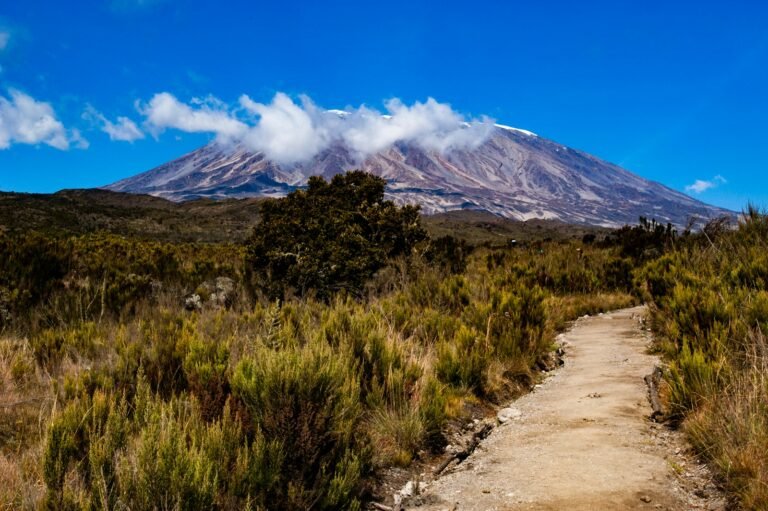
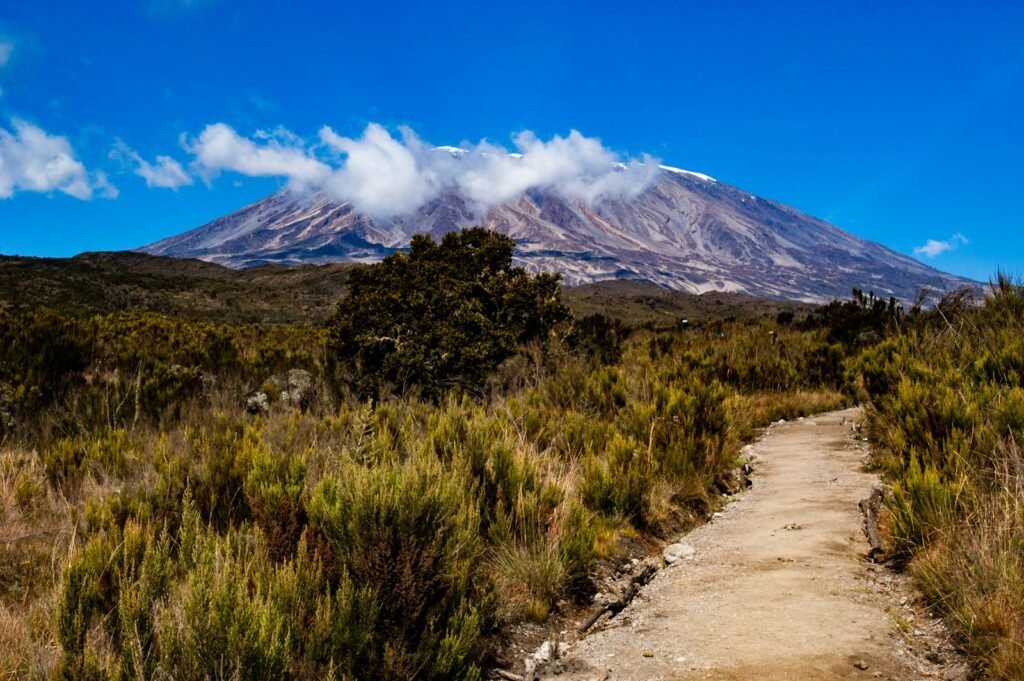
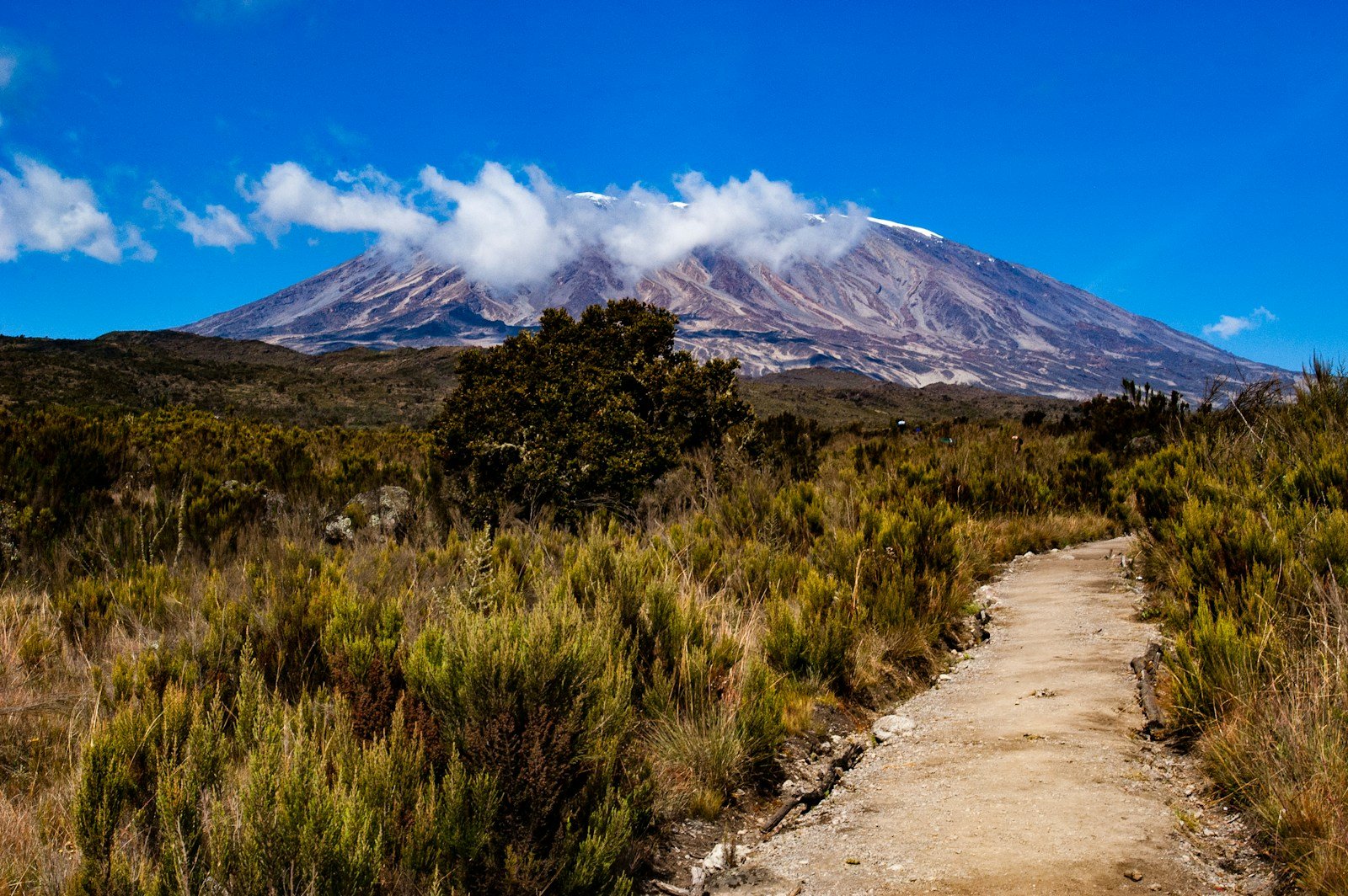
Standing at a majestic 5,895 meters (19,341 feet), Mount Kilimanjaro is not only Africa’s tallest mountain but also the world’s highest free-standing peak. Located in Tanzania, this iconic destination calls to adventurers from around the globe, offering the unparalleled challenge and reward of reaching the “Roof of Africa.” Unlike technical climbs, Kilimanjaro is a trekking peak, making its summit accessible to those with determination and proper preparation.
This definitive guide provides everything you need to know to plan a successful and unforgettable Kilimanjaro adventure in 2025.
Why Climb Mount Kilimanjaro?
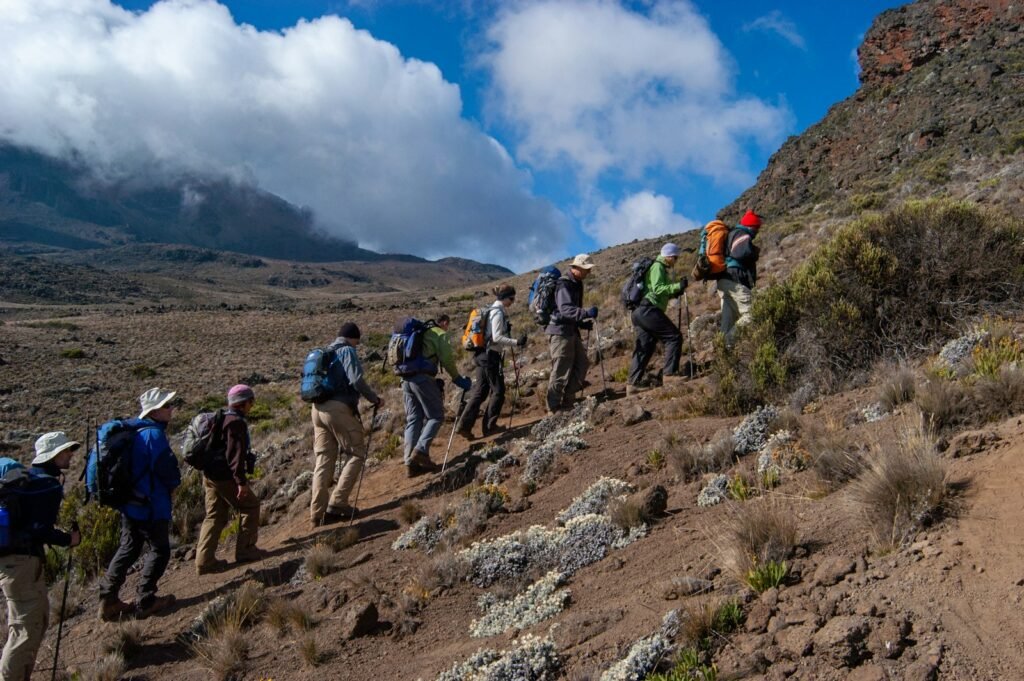
Embarking on a Kilimanjaro climb is a journey through five distinct ecological zones, from lush montane forests teeming with colobus monkeys to the otherworldly alpine desert and the arctic conditions of the summit. It's a physical challenge that rewards you with breathtaking panoramic views and a profound sense of accomplishment.
Best Time to Climb Kilimanjaro
Choosing the right time is crucial for a safe and enjoyable experience.
– Late December through early March: Known for clear skies and warmer temperatures.
While climbing during the rainy seasons (April-May and November) is possible, it presents challenges with muddy trails and potentially heavier cloud cover.
Best Kilimanjaro Routes
Selecting the right path is one of the most important decisions you'll make. Each route varies in scenery, difficulty, traffic, and, most importantly, acclimatization profile. Longer itineraries significantly increase your summit success rate by allowing your body more time to adapt to the altitude.
Best Overall Route for Acclimatization & Scenery
– Key Features: Remote western approach, gradual altitude gain, very high success rate (up to 98% with top operators)
The Popular “Whiskey Route”
The Machame Route is one of the most scenic and famous routes on Kilimanjaro. Known as the “Whiskey Route,” it provides dramatic landscapes and good acclimatization, especially on the recommended 7-day itinerary.
Only Route With Hut Accommodation
The Marangu Route, also called the “Coca-Cola Route,” is the only Kilimanjaro trail offering hut accommodations. While comfortable, it uses the same path for ascent and descent, which can limit acclimatization on shorter itineraries.
Best for Solitude & Dry Conditions
The Rongai Route approaches Kilimanjaro from the northern side near the Kenyan border. It’s quieter and drier than other routes, making it excellent during rainy or shoulder seasons.
Longest Route With Highest Success Rates
The Northern Circuit Route is the longest Kilimanjaro climb and provides the best acclimatization of all routes. With outstanding scenery and minimal traffic, it offers a peaceful and highly successful summit attempt.
Getting There and Accommodation
– Flights: The nearest airport is Kilimanjaro International Airport (JRO), located about 40 kilometers from the park.
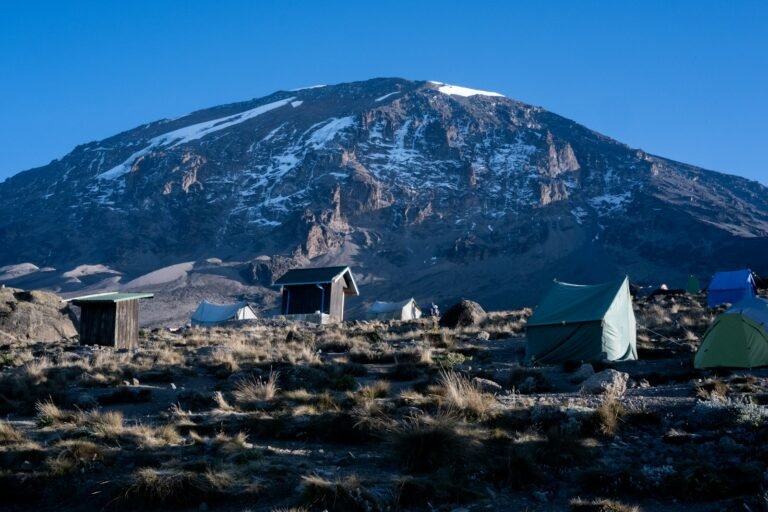
– Accommodation: Before and after your climb, you will likely stay in the nearby towns of Moshi or Arusha. These towns offer a range of hotels and lodges. On the mountain, accommodation is in tents on all routes except Marangu, which uses huts.
How Much Does It Cost to Climb Kilimanjaro?
As of 2025, a safe and well-organized group climb typically costs between $2,300 and $2,900 for a 7-day trek.
Important: Be wary of budget operators offering prices significantly lower than this range. Low costs often correlate with underpaid and poorly equipped staff, which compromises your safety and experience. Park fees alone make up about 35% of the total trip cost.
Physical Training and Preparation
You do not need to be an elite athlete, but a good level of fitness is non-negotiable. The key to success is cardiovascular endurance and mental stamina.
– Cardiovascular Exercise: Activities like running, swimming, and cycling. Aim to be comfortable running 5 km (3 miles) without excessive strain.
– Strength Training: Focus on leg strength and core stability.
– Hiking Practice: The best training for trekking is trekking itself. Try to complete full-day hikes (6+ hours) with a loaded daypack on inclined terrain.
Understanding Altitude Sickness and Safety
Acute Mountain Sickness (AMS) is the single biggest risk on Kilimanjaro. It is caused by climbing too high, too fast, and can be life-threatening in its severe forms.
– Choose a Longer Route: A 7-8 day itinerary is the minimum recommended for proper acclimatization.
– Walk Slowly: “Pole, pole” (slowly, slowly in Swahili) is the golden rule.
– Stay Hydrated: Drink 3-4 liters of water daily.
– Select a Reputable Operator: Ensure your guides are certified Wilderness First Responders (WFR) and that the company carries emergency oxygen and comprehensive medical kits on every expedition.
Essential Packing List
Kilimanjaro’s unique climate zones require careful packing. You will experience everything from warm rainforest to sub-zero summit temperatures.
– Quality Hiking Boots (broken in)
– Layered Clothing System (moisture-wicking base layers, insulating mid-layers, waterproof and windproof outer shell)
– Warm Accessories (gloves, hat, buff)
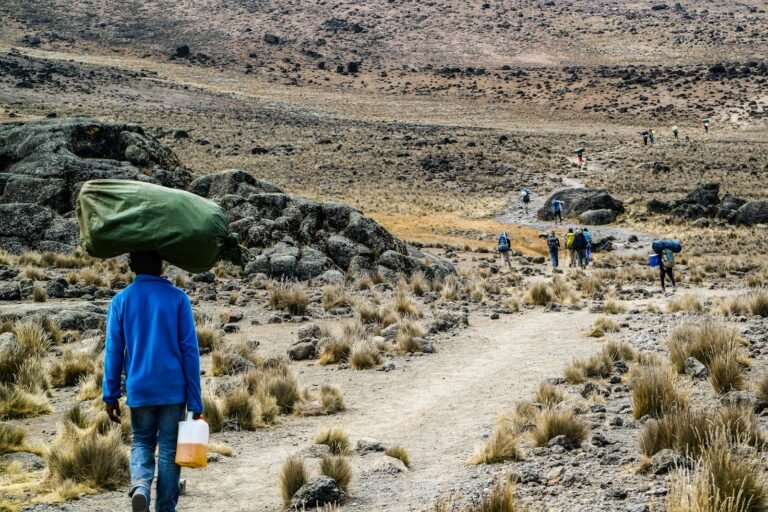
– Daypack and Duffel Bag (for porters to carry)