The Ngorongoro Crater in numbers
- Depth from rim to floor
- 610 m
- Width of the caldera
- 16 to 19 km
- Area of the crater
- 264 km²
- Height of the rim
- 2,286 m
- Large animals living here
- 25,000
- Years since the volcano collapsed
- 2.5 million
Sources: Encyclopaedia Britannica for the dimensions and age, UNESCO for the animal count.
About 2.5 million years ago a huge volcano emptied itself and its cone fell in. What it left behind is a natural enclosure with grass, water and forest, so most animals never need to leave.
- Rim viewpointYour first look into the crater, often above the clouds.
- Descent roadA steep one-way track down the wall. 4×4 only.
- Lake MagadiA shallow soda lake that draws flamingos.
- Lerai ForestYellow fever trees, old bull elephants and the odd leopard.
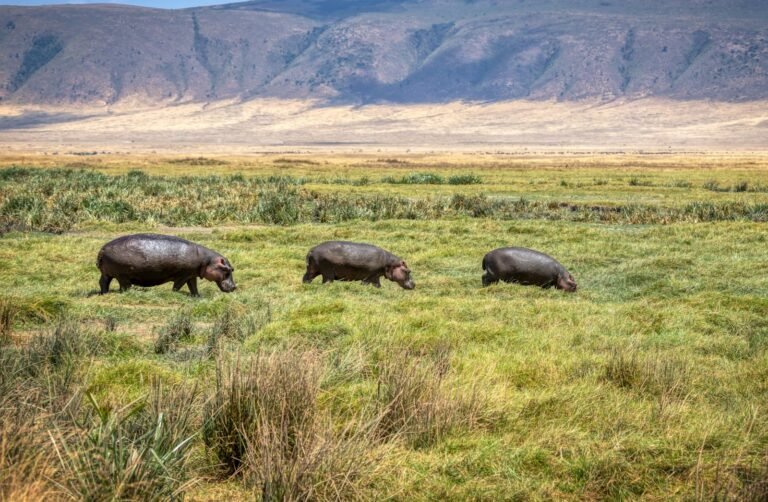
- Hippo poolNgoitokitok Springs, where we stop for a picnic lunch.
- Ascent roadThe way back up to the rim in the afternoon.
A day in the crater, hour by hour
A crater visit is one long game drive of five to six hours on the floor. This is how we usually run it.
- 6:00 am
Leave the lodge
We set off with a hot drink and packed breakfast. Being at the gate when it opens means softer light, active cats and fewer vehicles.
- 6:30 am
Drive down the crater wall
The road drops 610 m through forest and euphorbia trees. Bring a warm layer, because the rim is cold at dawn.
- 7:00 to 11:30 am
Game drive on the open floor
We work the grassland first for lions, hyenas and black rhino, then loop past Lake Magadi for flamingos and the marshes for elephant and buffalo.
- 12:00 pm
Picnic at the hippo pool
Lunch beside Ngoitokitok Springs. Keep an eye on your sandwich: the black kites here are bold.
- 1:00 to 2:30 pm
Lerai Forest and the climb out
A last drive through the forest, then back up to the rim. From here we continue to the Serengeti, or return to Karatu or Arusha.

What you will see in the Ngorongoro Crater
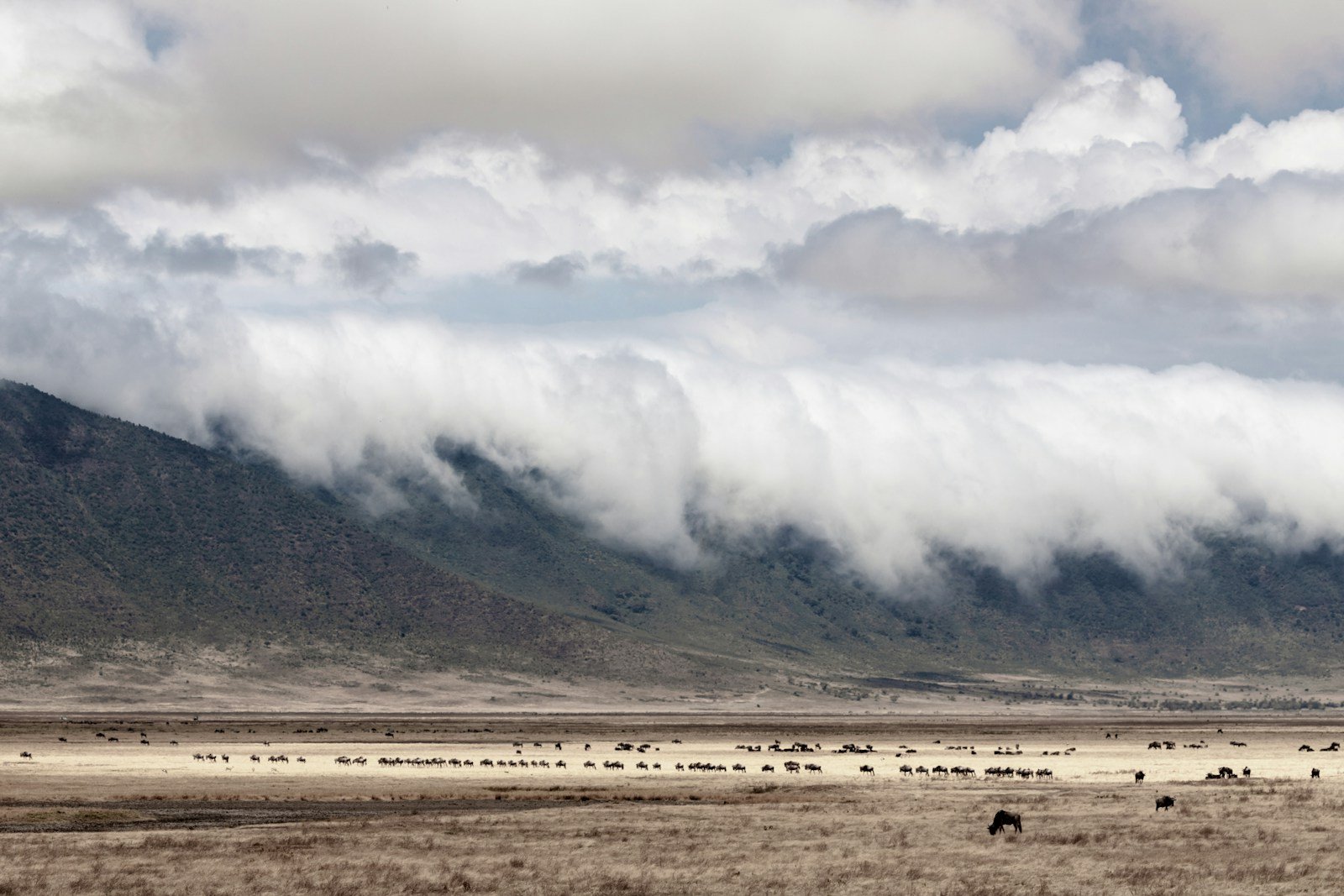
“Ngorongoro Conservation Area is home to a population of some 25,000 large animals, mostly ungulates, alongside the highest density of mammalian predators in Africa…”
| Animal | Chance | Where we look |
|---|---|---|
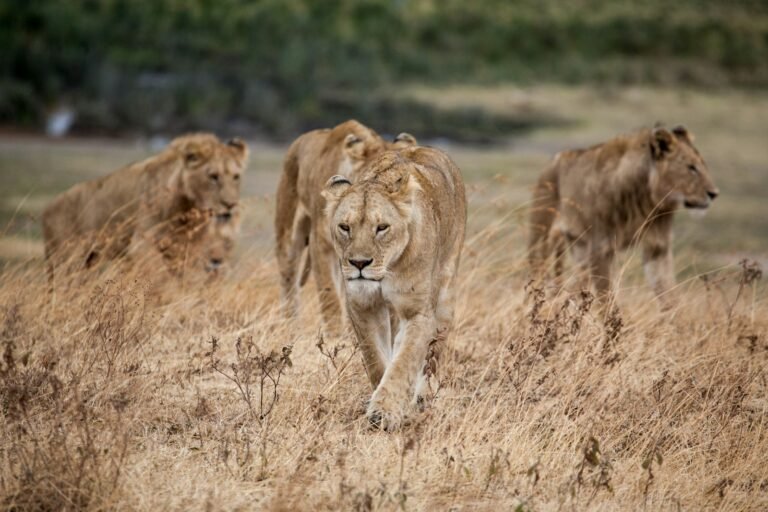
| Lion | Almost certain | Open grassland and along the tracks. They often rest in the shade of vehicles. |
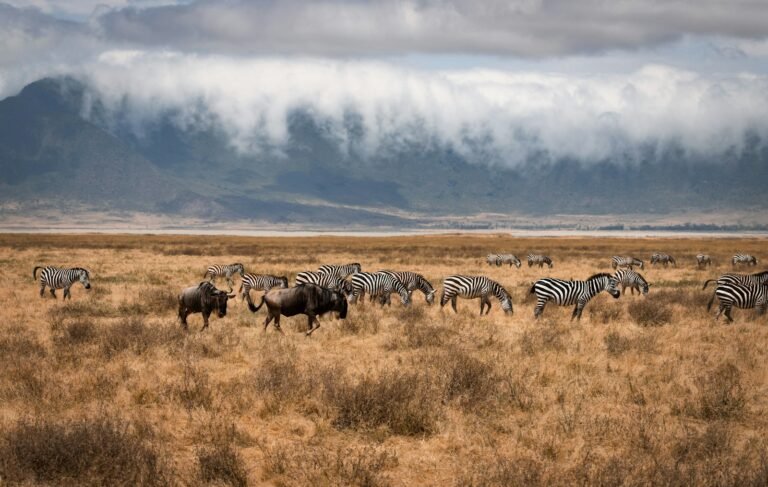
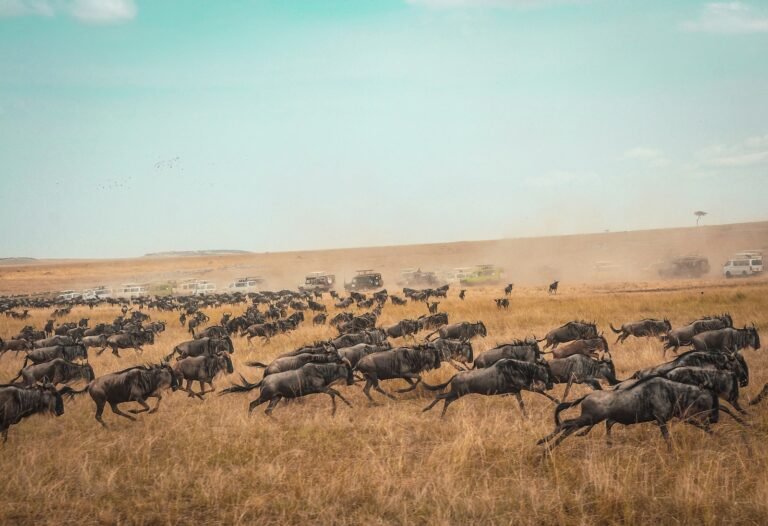
| Buffalo, zebra, wildebeest | Almost certain | All over the crater floor, all year. |
| Hippo | Almost certain | Ngoitokitok Springs and the Mandusi swamp. |
| Spotted hyena | Very likely | Near Lake Magadi, especially early in the morning. |
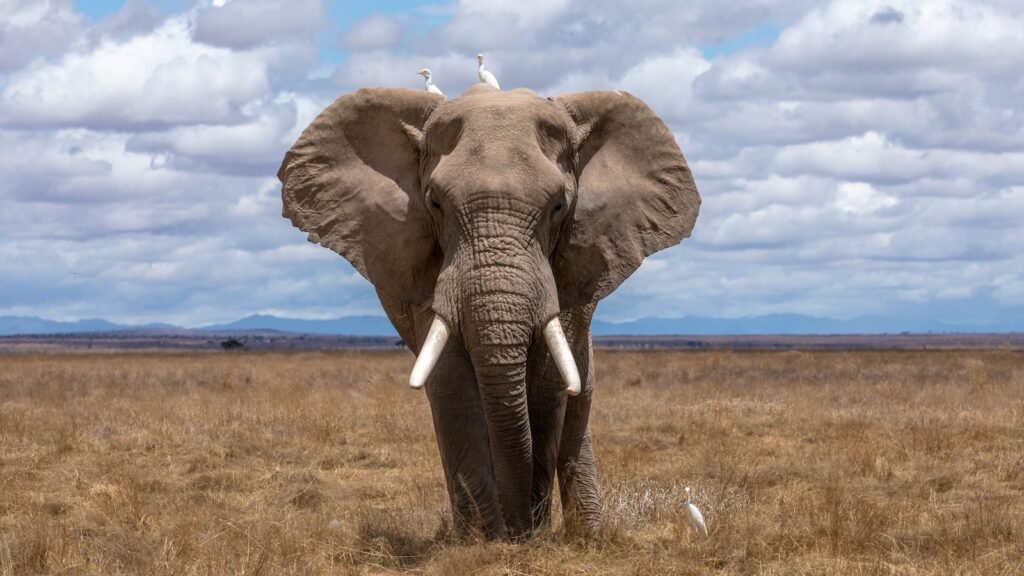
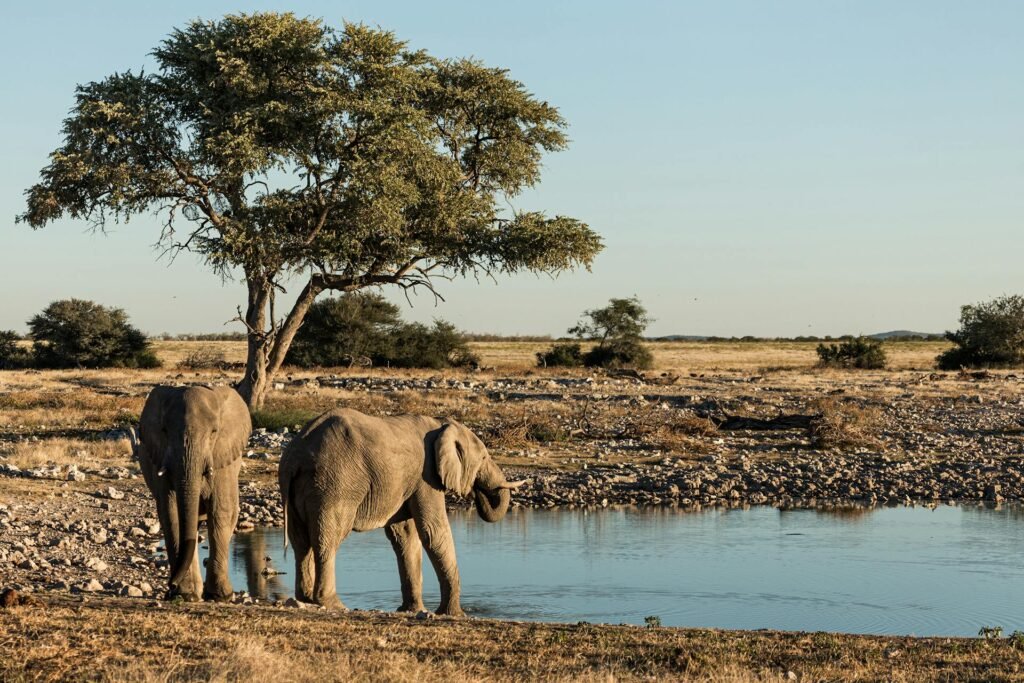
| Elephant | Very likely | Old bulls with big tusks around Lerai Forest and the swamps. |
| Black rhino | Possible | The open plains in the centre. Usually far off, so we carry binoculars. |
| Flamingo | Seasonal | The shore of Lake Magadi when the water level suits them. |
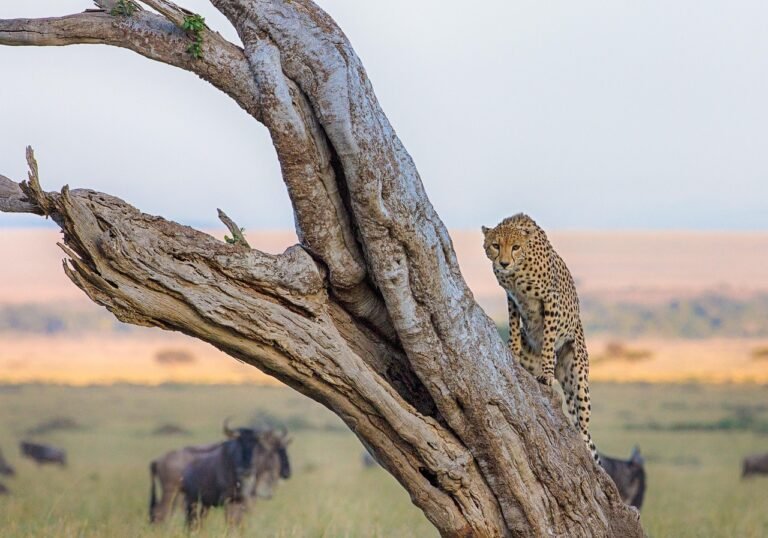
| Leopard | Rare | The forest on the rim and around Lerai. |
| Giraffe | Not in the crater | You will see them on the drive through the highlands and in the Serengeti. |
These ratings are our guides’ own experience over many visits. They are a guide, not a promise.
Why Ngorongoro matters for rhino
UNESCO names the black rhino among the globally threatened species this area protects. The crater’s open floor makes it one of the few places in Tanzania where you have a realistic chance of seeing one in the wild.
Beyond the crater: the wider conservation area
The crater is one part of the Ngorongoro Conservation Area, which covers 809,440 hectares between the Serengeti and the Great Rift Valley. It was set up in 1959 as a place where wildlife and Maasai herders share the land, and it is a UNESCO World Heritage Site for both nature (1979) and culture (2010).
Olduvai Gorge and Laetoli
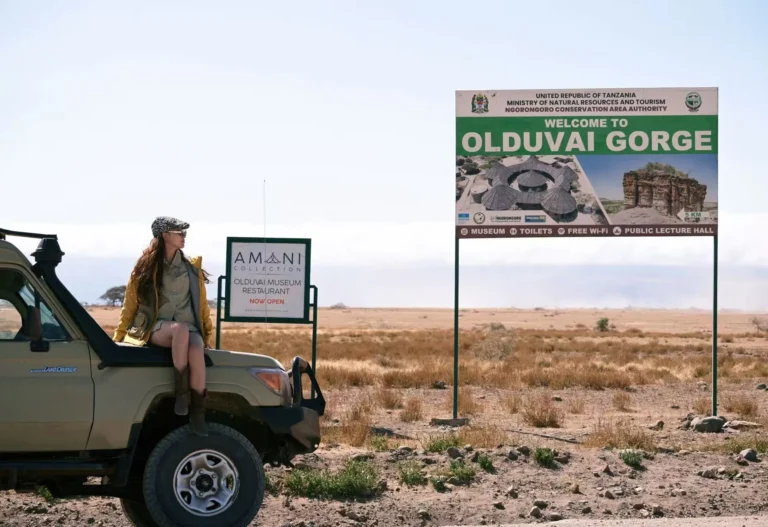
A 14 km ravine on the road to the Serengeti, and one of the most important fossil sites on Earth. Nearby Laetoli holds early hominid footprints that UNESCO dates to 3.6 million years ago.
We can stop at the museum and viewpoint for about an hour on the way through.
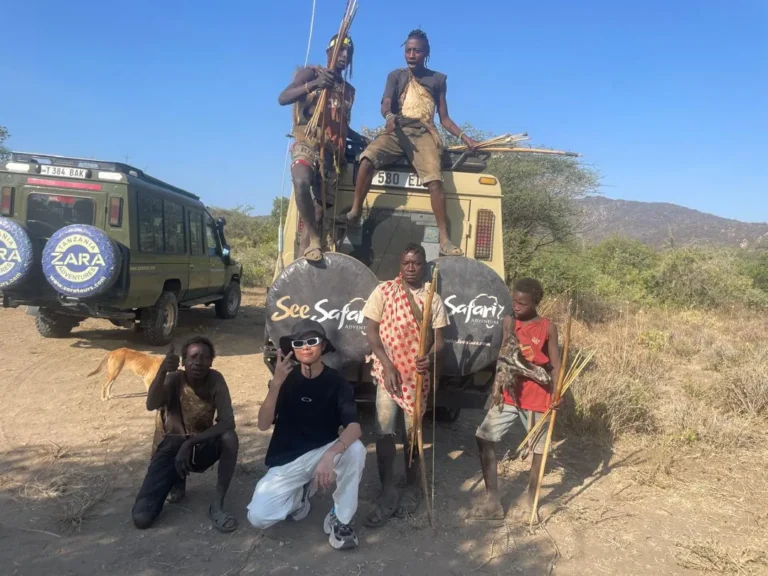
Maasai country
You will pass herders in red shukas walking cattle along the crater rim. A visit to a Maasai boma is easy to add to your route.
Empakaai and Olmoti craters
Two smaller craters to the north-east with good walking and almost no visitors. Ask us if you would like a day on foot.
Best time to visit Ngorongoro
The crater’s animals stay put, so there is no bad month. The choice is between dry and busy, or green and quiet.
Dry season
Short grass and easy sightings. Cold mornings on the rim. This is peak season, so expect more vehicles around a lion sighting.
Green season
A lush crater floor, wildflowers, newborn animals and migrant birds. Showers come and go. April and May are the wettest and the quietest.
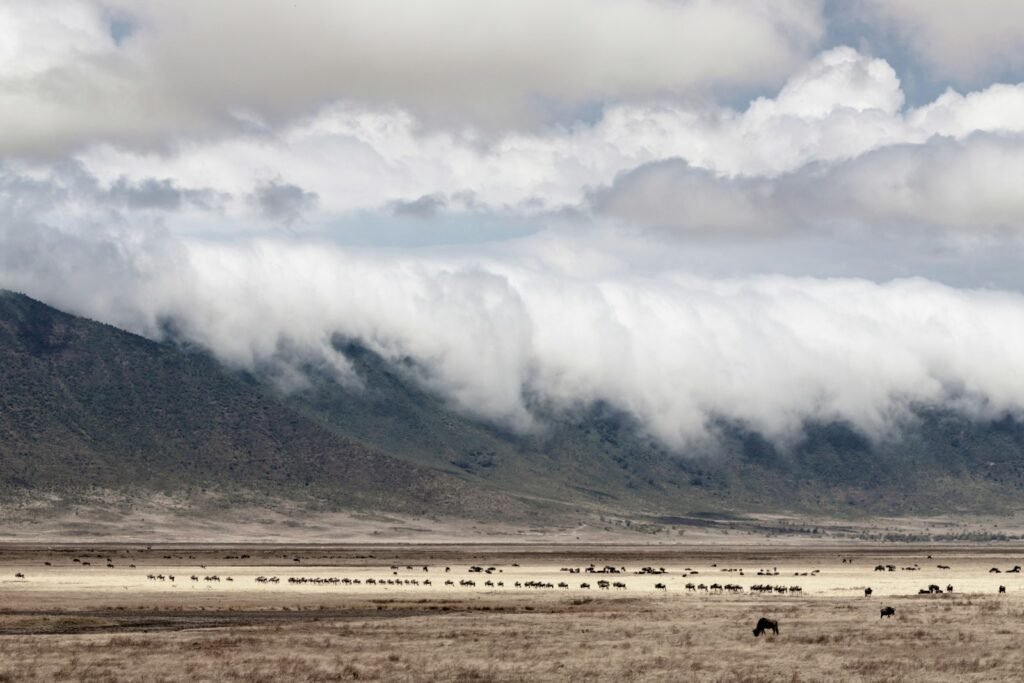
Planning your crater visit
- From Arusha
- About 120 km west, three to four hours on a good tarmac road
- Where you sleep
- On the crater rim for the view, or in Karatu for better value
- How long
- One night and one game drive is enough for most travellers
- Vehicle
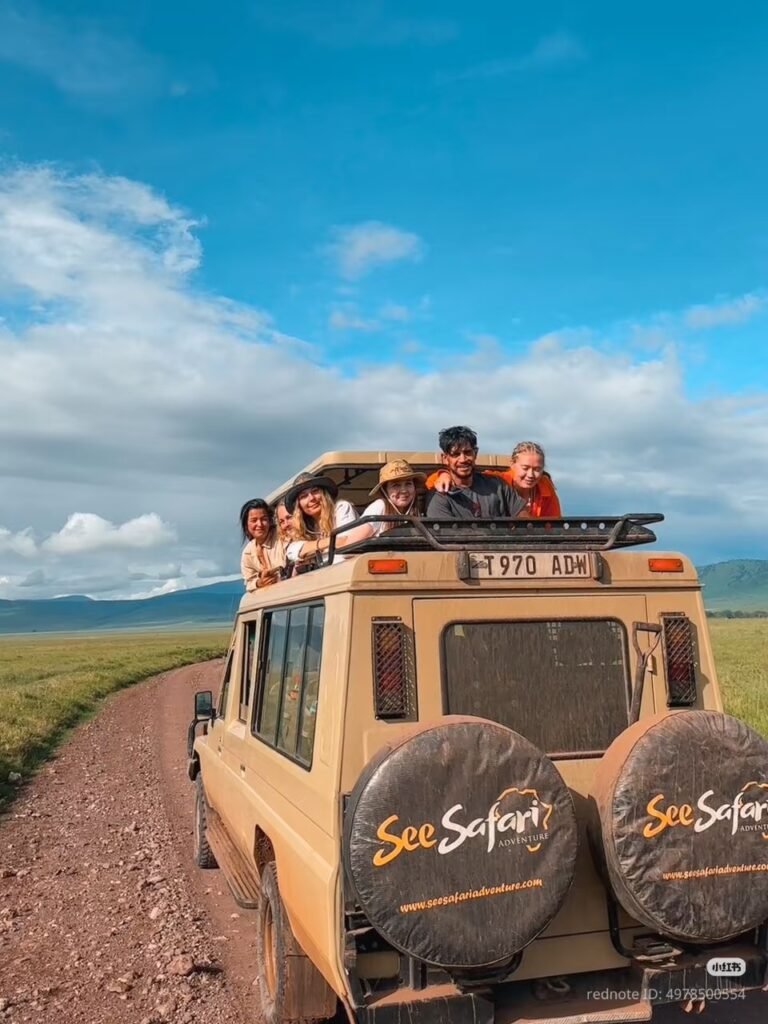
- 4×4 only. Ours have a pop-up roof for standing and photos
- What to pack
- A fleece or jacket, a hat, sunscreen and binoculars
- Pairs with
- Serengeti, Lake Manyara, Tarangire
Ngorongoro safaris with See Safari Adventure
We are based in Arusha, about three hours from the crater gate, and Ngorongoro is part of nearly every northern Tanzania itinerary we plan. Every trip is private, with your own guide and a 4×4 with a pop-up roof.
- 3daysSerengeti and Ngorongoro SafariPrice on request
- 4daysTarangire, Serengeti and Ngorongoro SafariPrice on request
- 5daysKenya and Tanzania: Amboseli to NgorongoroFrom US$2,100 pp
- 5daysNorthern Circuit Mid-Range SafariFrom US$2,250 pp
- 7daysNorthern Circuit Explorer SafariFrom US$3,150 pp
Want the crater in a different order, or with a walking day added? Send us your dates and we will design it around you.
Sources
- UNESCO World Heritage Centre: Ngorongoro Conservation Area. Size of the area, wildlife numbers, Olduvai Gorge and the Laetoli footprints.
- Encyclopaedia Britannica: Ngorongoro Crater. Crater dimensions, rim height, age and distance from Arusha.
Timings, sighting chances and practical advice come from our own guides. Last reviewed November 2026.