Introduction to Lake Manyara National Park
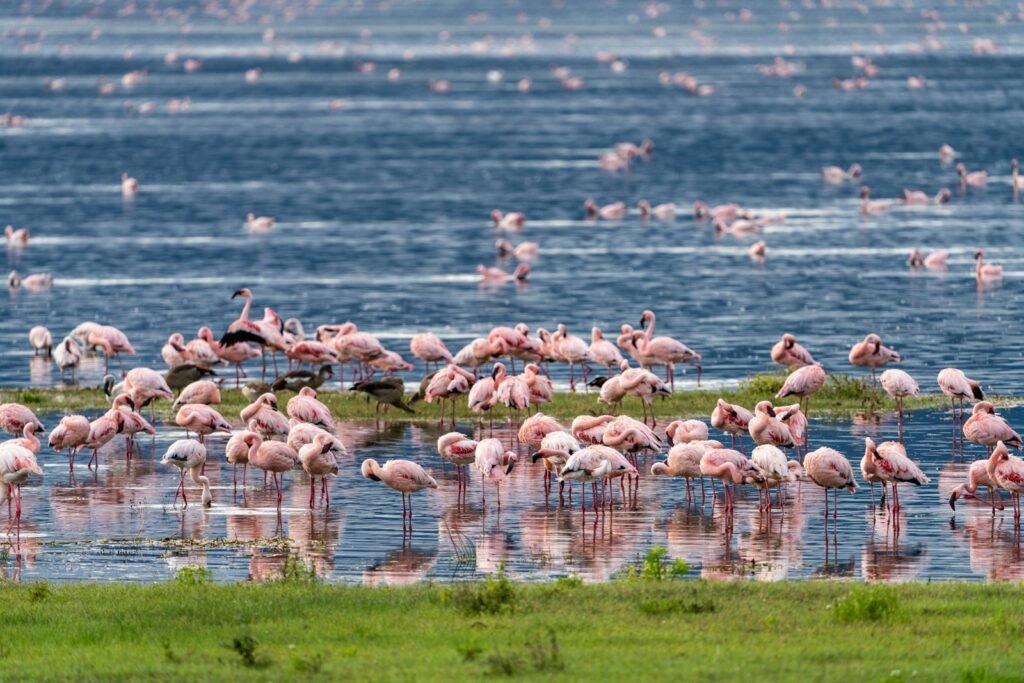
Lake Manyara National Park, set below the dramatic Great Rift Valley escarpment in Tanzania, is a compact yet breathtaking wildlife haven known for its rich diversity of landscapes and species. Within just 330 square kilometers, dense forests blend into open plains and a shimmering alkaline lake that draws thousands of flamingos in the wet season. The park is famous for its tree-climbing lions, large elephant herds, and massive baboon troops, all thriving in varied habitats ranging from groundwater forests and marshlands to acacia woodlands and grassy savannahs an unforgettable panorama once praised by Ernest Hemingway as the loveliest in Africa.
Wildlife Highlights: What Makes Manyara Special
While many Tanzanian parks boast vast savannahs, Lake Manyara’s magic lies in its concentrated and unique wildlife encounters. This ecological gem packs an astonishing diversity of animals into a relatively small area, offering intimate and often extraordinary game viewing. The park serves as a spectacular stage for witnessing rare behaviors and remarkable animal concentrations that define the essence of an East African safari.
The Legendary Tree-Climbing Lions
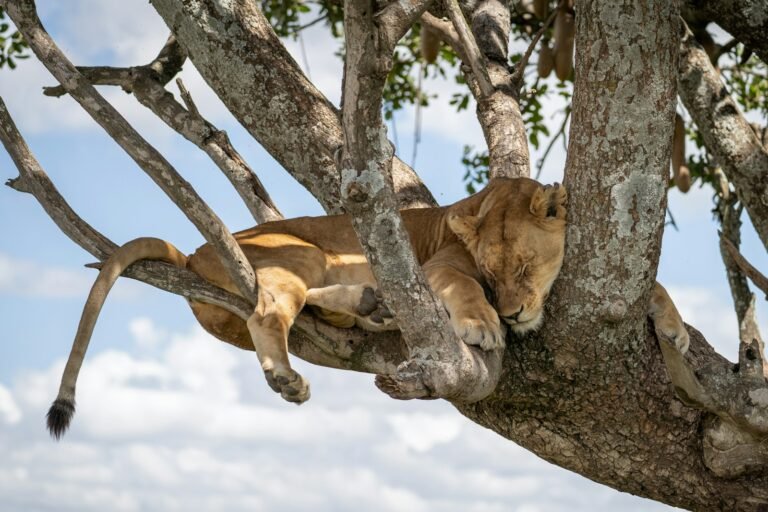
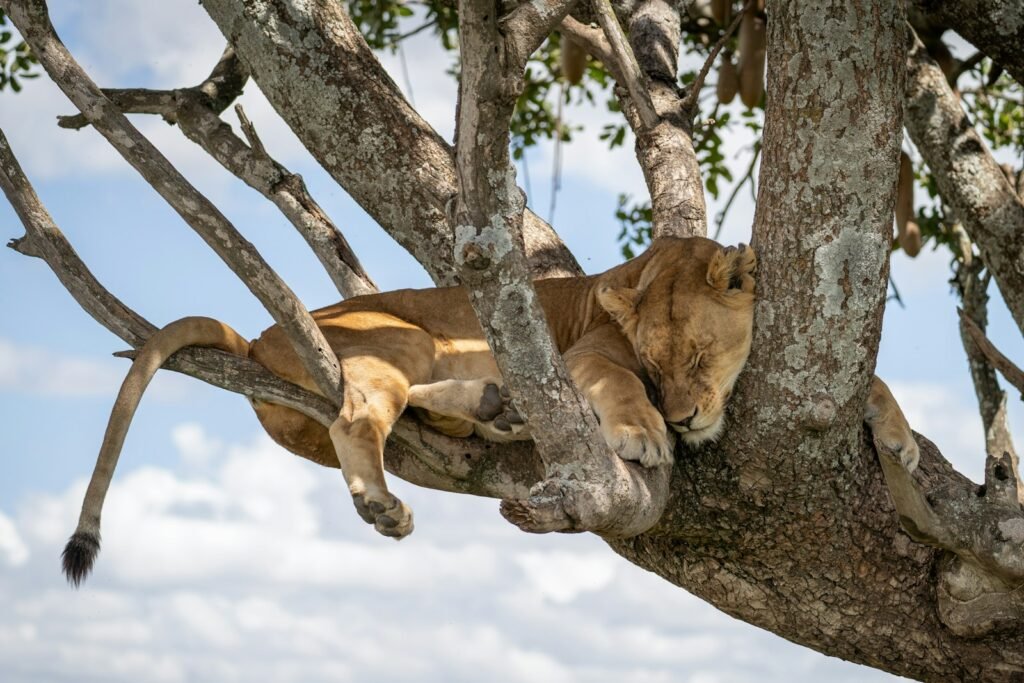
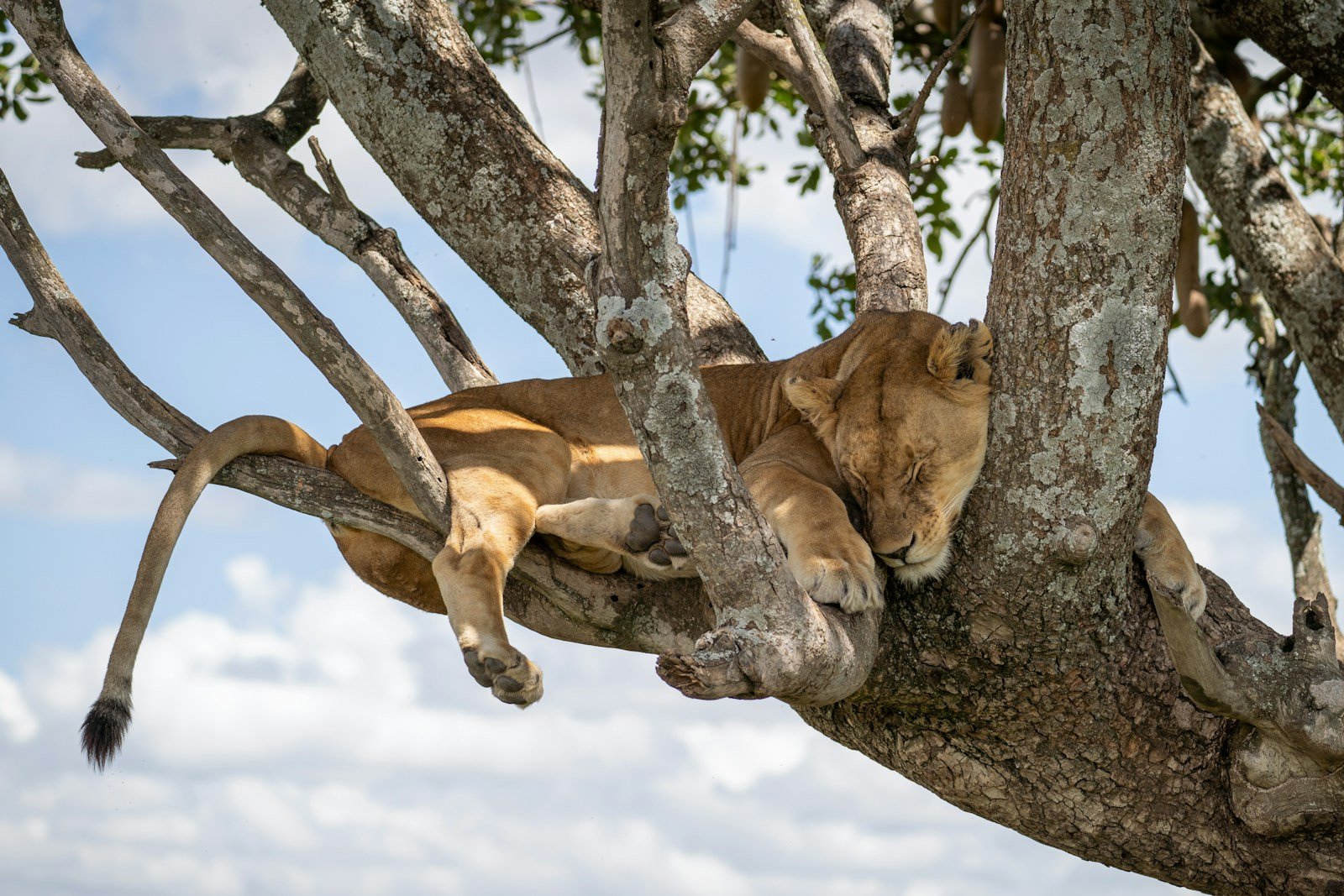
One of Lake Manyara's most celebrated wonders is its population of tree-climbing lions. Unlike most African lions that prefer staying grounded, Manyara's big cats have developed the unusual habit of lounging on acacia branches, often draped elegantly over large boughs several meters above the ground. Researchers suggest several theories for this unique behavior: the lions might be escaping biting insects on the ground, seeking relief from the heat in the shaded canopy, or gaining a better vantage point for spotting potential prey across the dense vegetation. Witnessing these majestic predators resting in trees is a truly unforgettable spectacle and a photographer's dream.
Thriving Elephant Herds and Baboon Troops
Lake Manyara provides a sanctuary for a robust population of African elephants, known for their impressive tusks and calm disposition. Visitors are often treated to the heartwarming spectacle of large family herds foraging in the groundwater forest or bathing at the water’s edge. Equally impressive is the park’s status as a haven for primates, hosting one of the densest populations of olive baboons on the continent. The social dynamics of these large, noisy troops—numbering in the hundreds—provide endless fascination, showcasing everything from playful youngsters to careful grooming rituals.
A Tapestry of Diverse Mammals
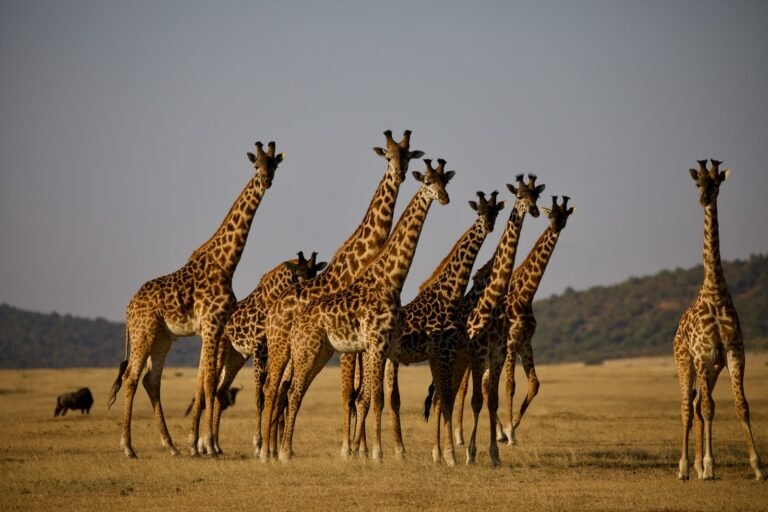
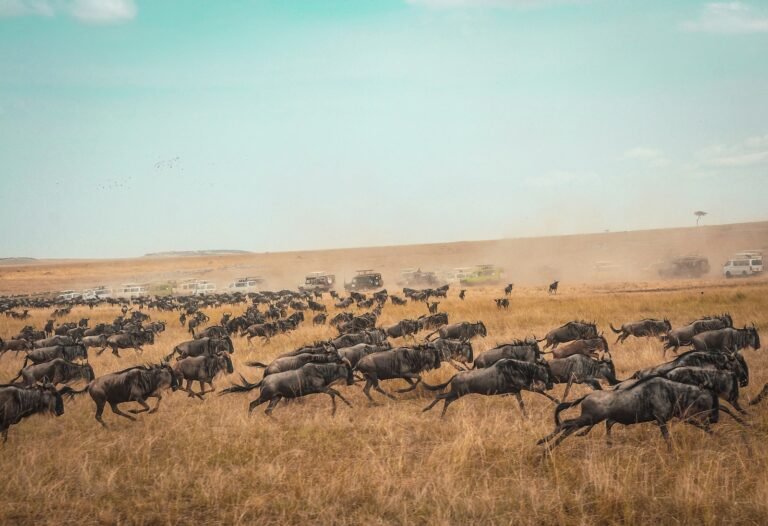
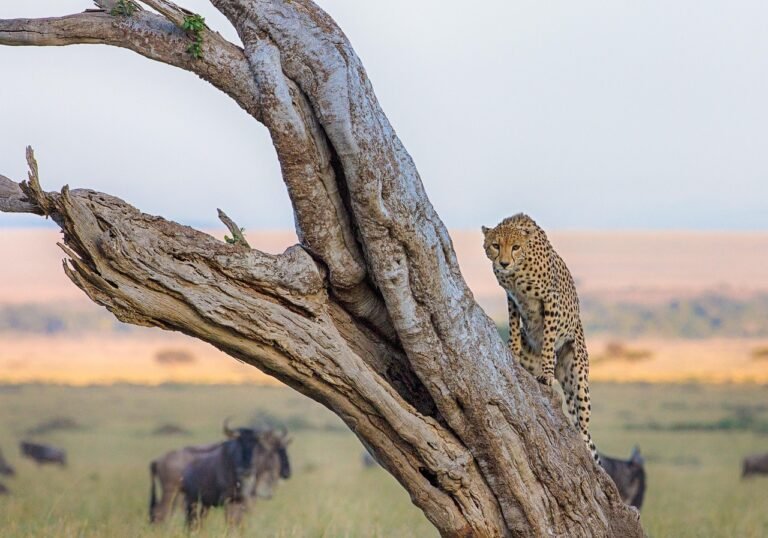
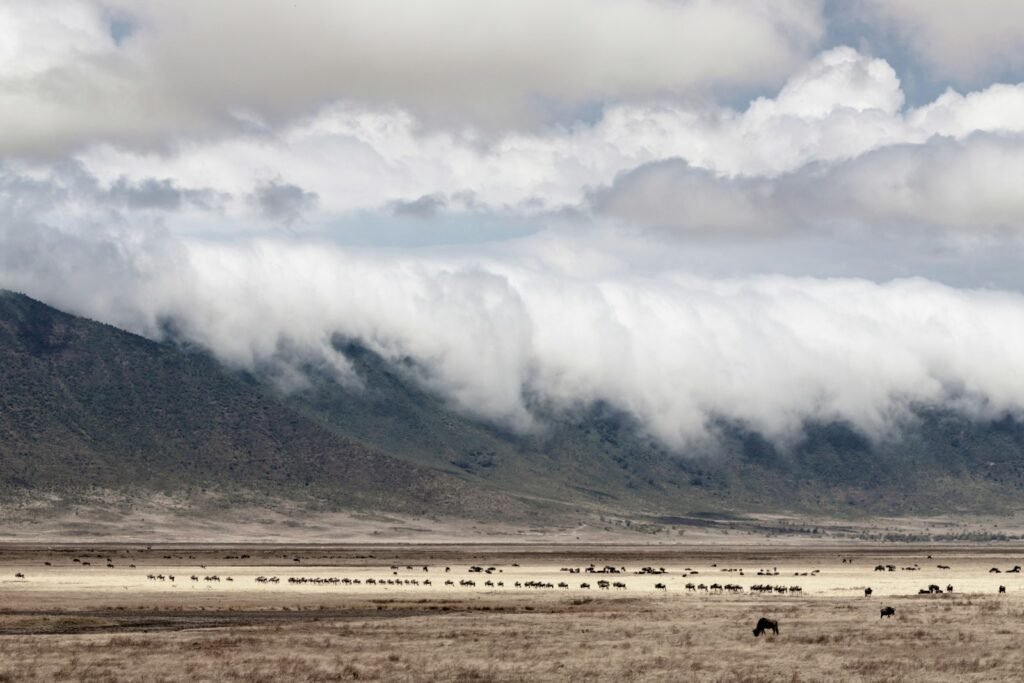
Beyond its headline acts, the park supports a rich tapestry of other mammalian life. Vast herds of buffalo cast dark shadows on the plains, while elegant giraffes browse the higher canopies. Zebras, wildebeest, and impalas are common sights, their movements creating a living landscape. More secretive creatures, including the elusive leopard, sturdy warthog, and several antelope species like the bushbuck and waterbuck, find refuge in the dense forest undergrowth and acacia woodlands, ensuring that every game drive is filled with potential for new discoveries.
Best Time to Visit: Seasonal Safari Guide
Understanding climate is key to planning your safari for the optimal experience.
(June-October): Prime Wildlife Viewing
The dry season from June to October is widely considered the optimal time for wildlife viewing in Lake Manyara. As water sources diminish, animals congregate around the lake and remaining watering holes, making them significantly easier to spot. The vegetation thins considerably during these months, improving visibility for spotting wildlife. Sunny, mild weather with minimal rainfall makes for comfortable safari conditions, though visitors should note that this is also the park's busiest period. September and October represent the peak of dryness, when wildlife viewing is particularly spectacular as animals depend almost entirely on the lake for hydration.
(November-May): Lush Landscapes and Birding Bonanza
The wet season transforms Lake Manyara into a lush, green paradise with several distinct advantages for visitors. From November to April, the park becomes a birdwatcher's dream as migratory species from Europe and northern Africa arrive to join the resident populations. This period also sees many animals giving birth, offering opportunities to spot adorable newborns taking their first steps. The landscape becomes vibrant with fresh vegetation and wildflowers, creating stunning photographic conditions, especially after rain showers when the air is clear and dust-free.
Getting There and Around
Lake Manyara National Park is conveniently located about 126 kilometers (78 miles) from Arusha, making it easily accessible by road in approximately 1.5-2 hours. The park serves as an ideal first stop on Tanzania’s Northern Safari Circuit, positioned conveniently between Arusha and the Ngorongoro Conservation Area. Most visitors explore the park in 4×4 safari vehicles with open roofs, providing optimal visibility for wildlife viewing and photography.
Accommodation Options
Accommodation in and around Lake Manyara ranges from luxurious lodges to more modest tented camps, catering to various budgets and preferences. The Lake Manyara Serena Safari Lodge offers stunning views over the park from its cliffside location, while other options like Lake Manyara Tree Lodge provide exclusive accommodation within the park itself. Many visitors choose to stay in the nearby town of Karatu, which offers a wider selection of lodgings and is conveniently positioned for exploring both Lake Manyara and the Ngorongoro Crater.