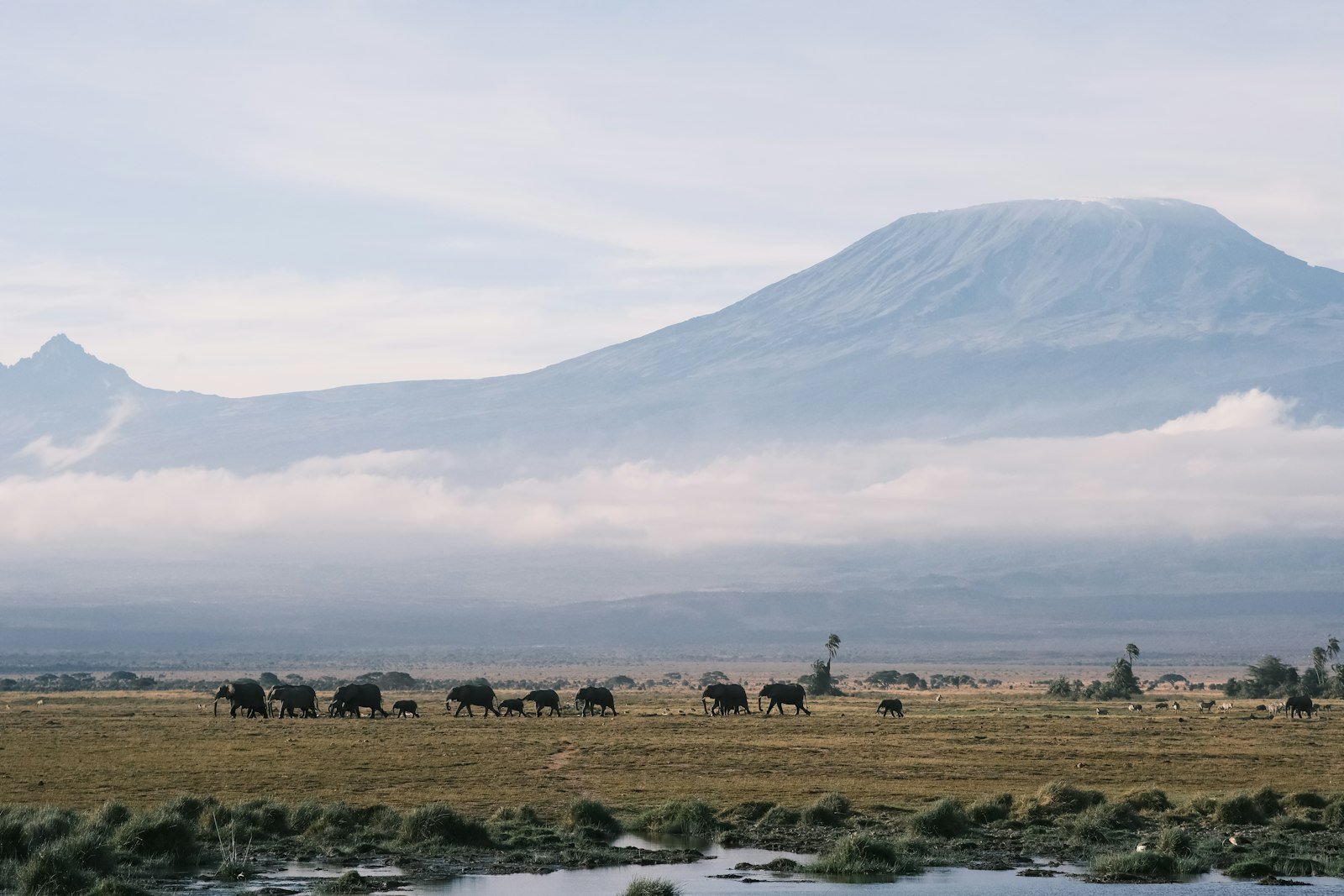
Amboseli National Park at a glance
- Where
- Kajiado County, southern Kenya, on the Tanzanian border
- Size
- 392 km²
- Protected
- UNESCO Biosphere Reserve since 1991, managed by Kenya Wildlife Service
- Known for
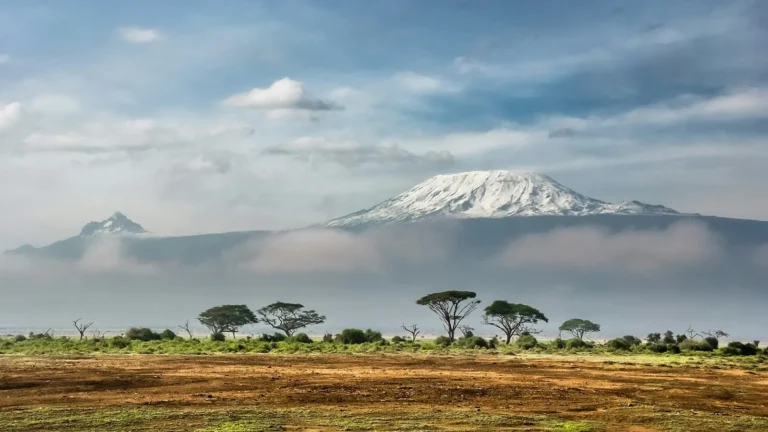
- Elephants, Kilimanjaro views and swamp birdlife
- Best months
- June to October, and January to February
- From Nairobi
- 4 to 5 hours by road, or under an hour by air
- Ideal stay
- 2 nights
- Pairs with
- Tsavo, Masai Mara, Ngorongoro
Why Amboseli is the place for elephants
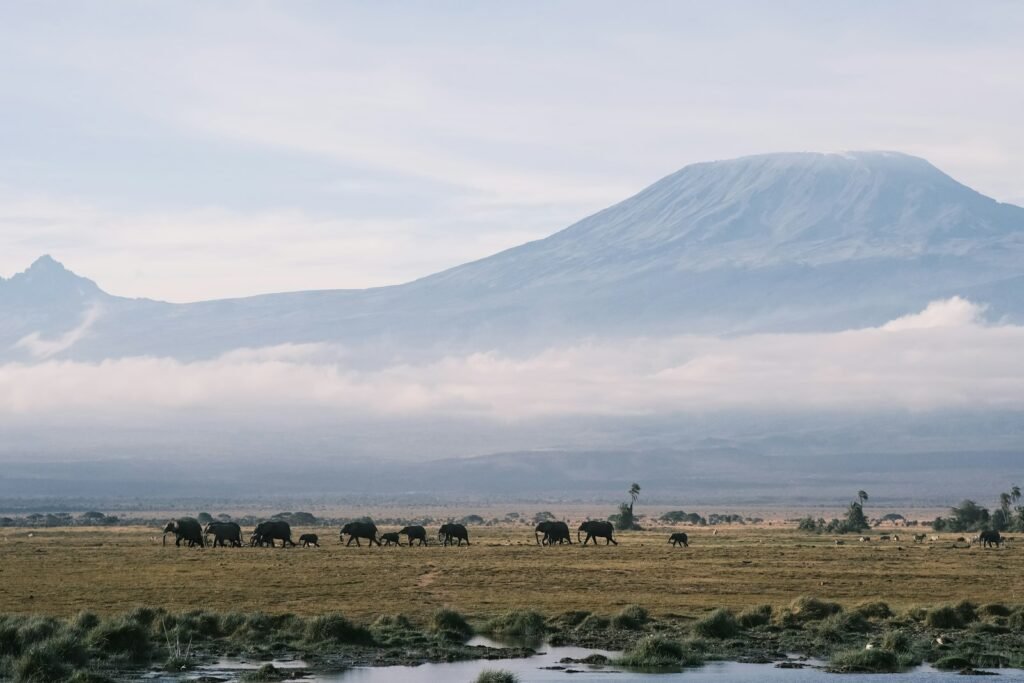
Amboseli’s elephants are among the most studied in the world. Researchers have followed individual families here since 1972, and decades of protection mean many animals are calm around vehicles. You can watch them cross the plains, bathe in the swamps and dust themselves at close range.
The park is also home to some of Kenya’s “big tuskers”, bulls whose tusks almost reach the ground. They are rare, and our guides know which areas they use.
Water from the mountain
Amboseli is dry, yet its swamps never run out. Rain and snowmelt on Kilimanjaro sink into the volcanic rock and resurface here as springs, which keeps elephants, buffalo and hippos in the park all year.
What to see in Amboseli National Park
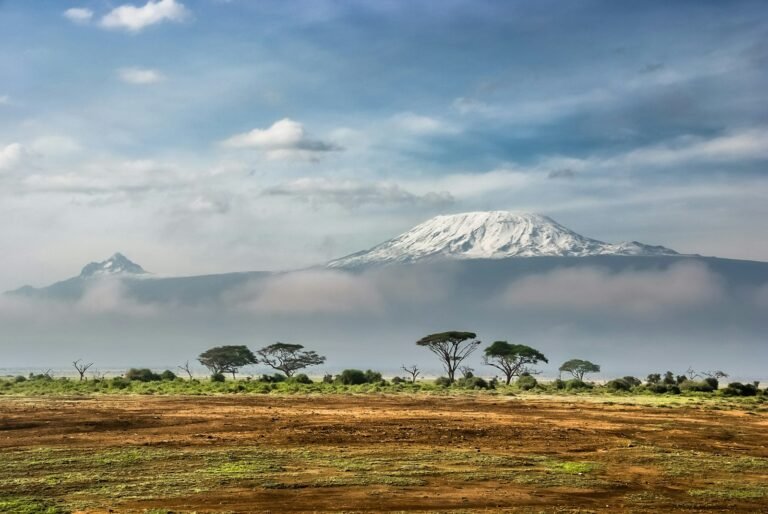
Observation Hill
A short walk up a small hill gives you the whole park: swamps, plains, the dry lake bed and Kilimanjaro behind.
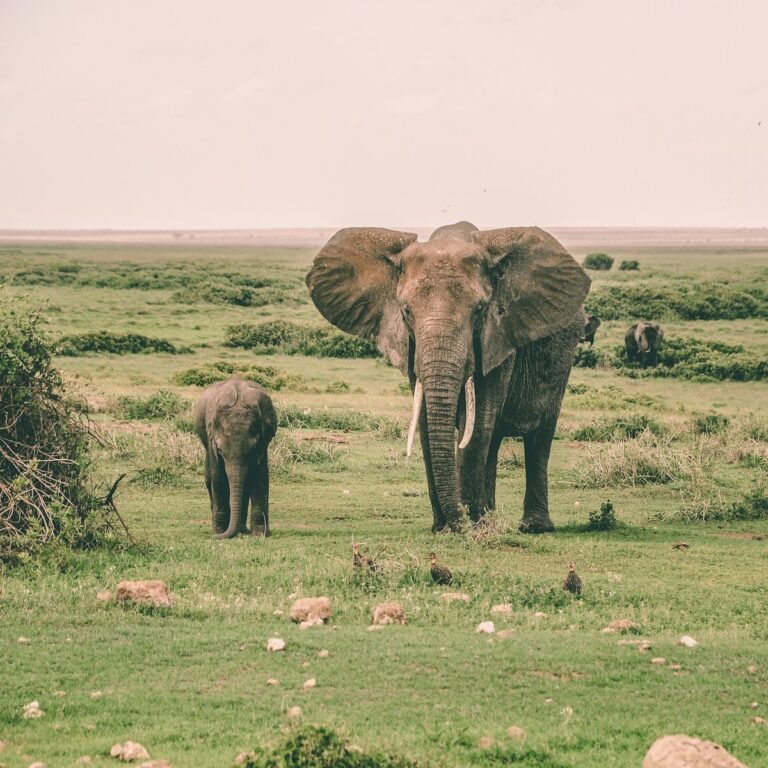
The swamps
Elephants, buffalo, hippos, pelicans and herons gather where the springs feed green marshes in the middle of the park.
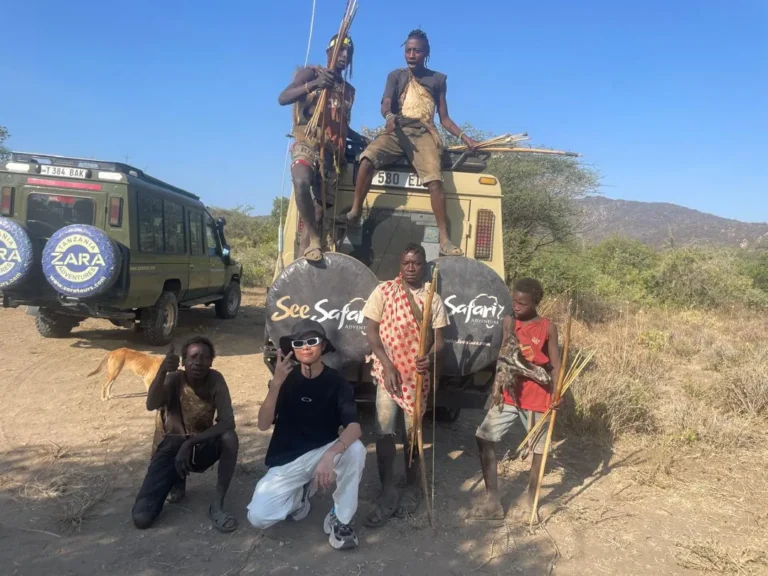
Maasai villages
The park is surrounded by Maasai land. A village visit, arranged with the community, is a respectful way to learn how people live alongside wildlife.
- ElephantCertain. Large family herds every day.
- Buffalo and hippoAlmost certain in the swamps.
- LionLikely. Fewer than in the Mara, but seen regularly.
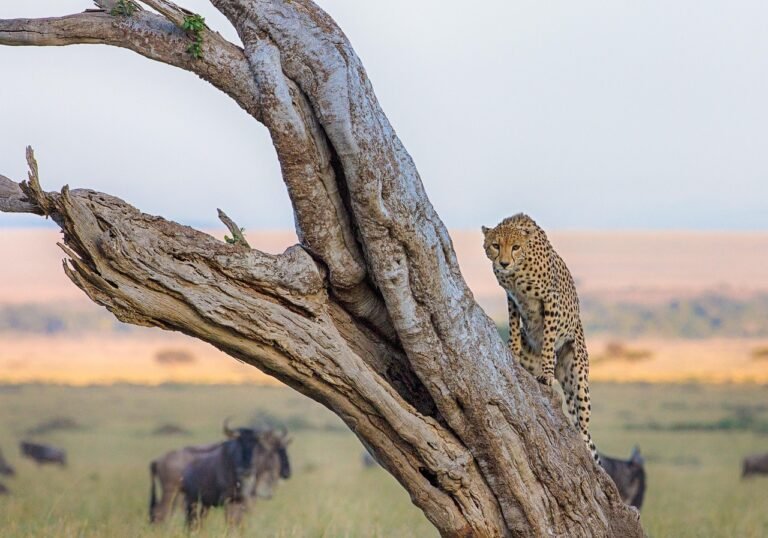
- CheetahPossible on the open plains.
Ratings are our guides’ own experience on a 2-night stay, not a guarantee.
Best time to visit Amboseli National Park
- JanClear
- FebClear
- MarGood
- AprRains
- MayRains
- JunDry
- JulDry
- AugDry
- SepDry
- OctDry
- NovShowers
- DecGood
- June to October. Dry, with animals concentrated around the swamps. Dusty in the afternoons.
- January to February. Hot and clear, often the best months for mountain views.
- April and May. Green and quiet, but Kilimanjaro is often hidden by cloud.
Getting there and how long to stay
Amboseli is 4 to 5 hours by road from Nairobi. Because it lies close to the Namanga border, it is the natural first stop on a Kenya and Tanzania trip: we cross into Tanzania the next morning and continue to Arusha and the northern circuit. Heading for the coast instead? Continue east to Tsavo and Diani Beach.
- 1 night works on a cross-border route.
- 2 nights gives you a full day and the best chance of clear mountain views.
For more photography tips, read our Amboseli elephants and Kilimanjaro views article.
Photographing elephants and Kilimanjaro
Amboseli is one of Africa’s best parks for photography, because the land is flat and open and the elephants are calm. A few tips from our guides:
- Go out at sunrise. Kilimanjaro is most often clear in the first two hours of the day.
- Use a mid-range zoom. Elephants come close, so 70–200 mm is often more useful than a long lens.
- Stay low. Shoot from the open window rather than the roof to put the mountain behind the herd.
- Protect your gear. Amboseli is dusty in the dry season; bring a cloth and a bag cover.
Rules that protect the park
Vehicles must stay on the tracks in Amboseli to protect the fragile soils and swamps. Our guides know the best tracks for each time of day, so you lose nothing by following the rules.
Amboseli safaris with See Safari Adventure
- 5daysAmboseli to NgorongoroFrom US$2,100 pp
- 6daysAmboseli and Tsavo SafariFrom US$2,400 pp
- 7daysAmboseli, Lakes and Masai MaraFrom US$3,200 pp
- 8daysKenya Safari and Diani BeachFrom US$2,650 pp
- 11daysKenya, Tanzania and ZanzibarFrom US$5,200 pp
Tell us your dates and we will build a route around Amboseli.
Sources
- Kenya Wildlife Service: Amboseli National Park. Park facts.
- UNESCO Man and the Biosphere: Amboseli. Biosphere reserve status.
- Amboseli Trust for Elephants. The long-term elephant study.
Seasons, travel times and sighting chances come from our own guides. Last reviewed November 2026.