Samburu National Reserve at a glance
- Where
- Samburu County, northern Kenya, just north of the equator
- Size
- About 165 km², next to Buffalo Springs and Shaba reserves
- Lifeline
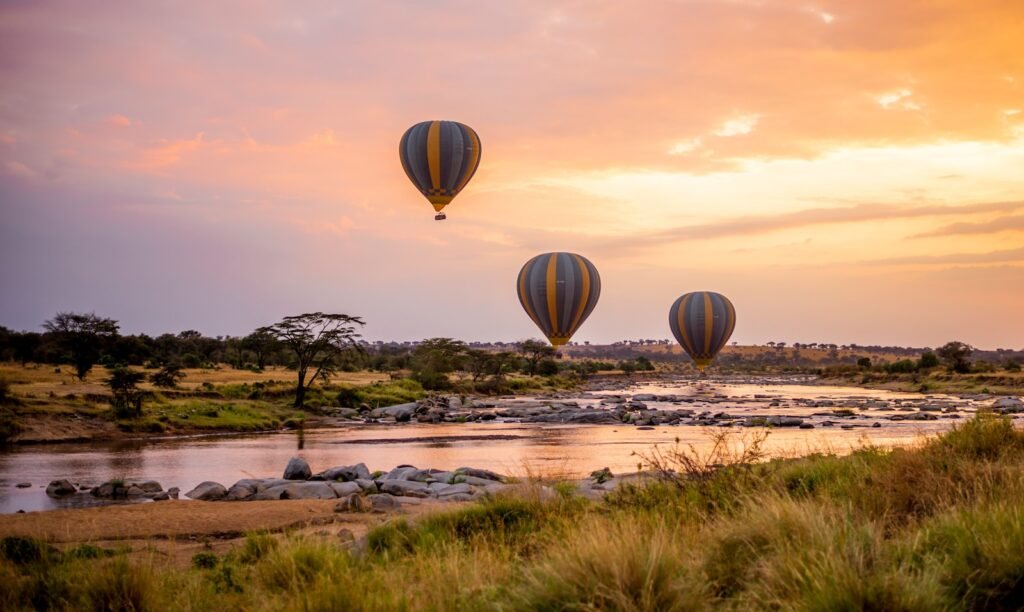
- The Ewaso Ng’iro River, which draws animals in the dry season
- Known for
- The Samburu Special Five, elephants and leopards
- Best months
- June to October, and January to March
- From Nairobi
- 5 to 6 hours by road, or about 1 hour by air
- Ideal stay
- 2 nights, plus 1 at Ol Pejeta
- Pairs with
- Lake Nakuru, Masai Mara
The Samburu Special Five
Northern Kenya’s semi-desert has its own wildlife, adapted to heat and little water. Guides call these five the “Special Five”:
| Animal | How to spot it |
|---|---|
| Grevy’s zebra | Larger than the common zebra, with narrow stripes, a white belly and round ears. Endangered. |
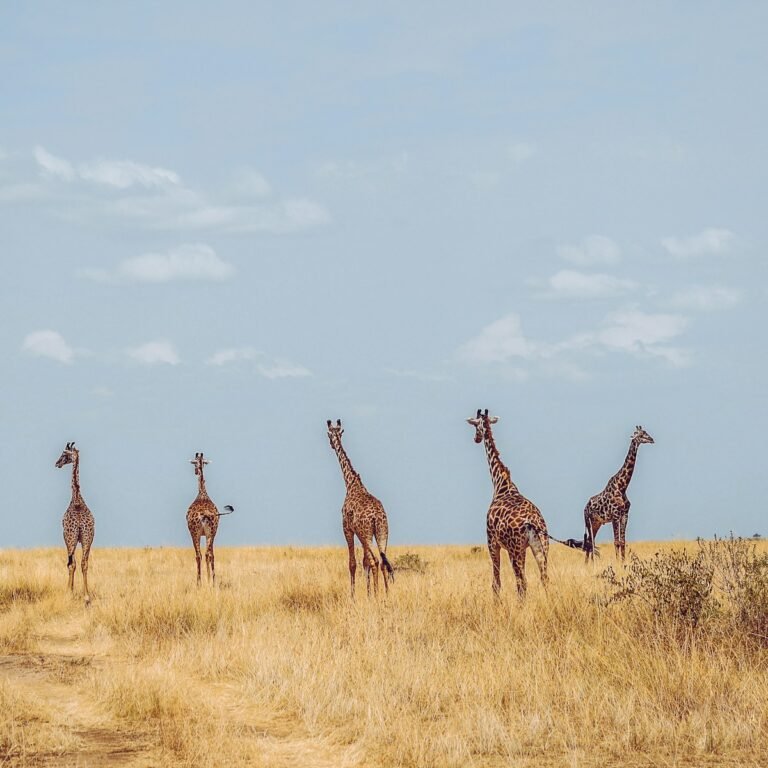
| Reticulated giraffe | Neat, liver-coloured patches outlined by thin white lines. |
| Beisa oryx | A grey antelope with long, straight horns and a black-and-white face. |
| Gerenuk | A slender antelope with a long neck that stands on its back legs to browse. |
| Somali ostrich | The males have blue-grey necks and legs instead of pink. |
- Special FiveVery likely to see most of them in 2 nights.
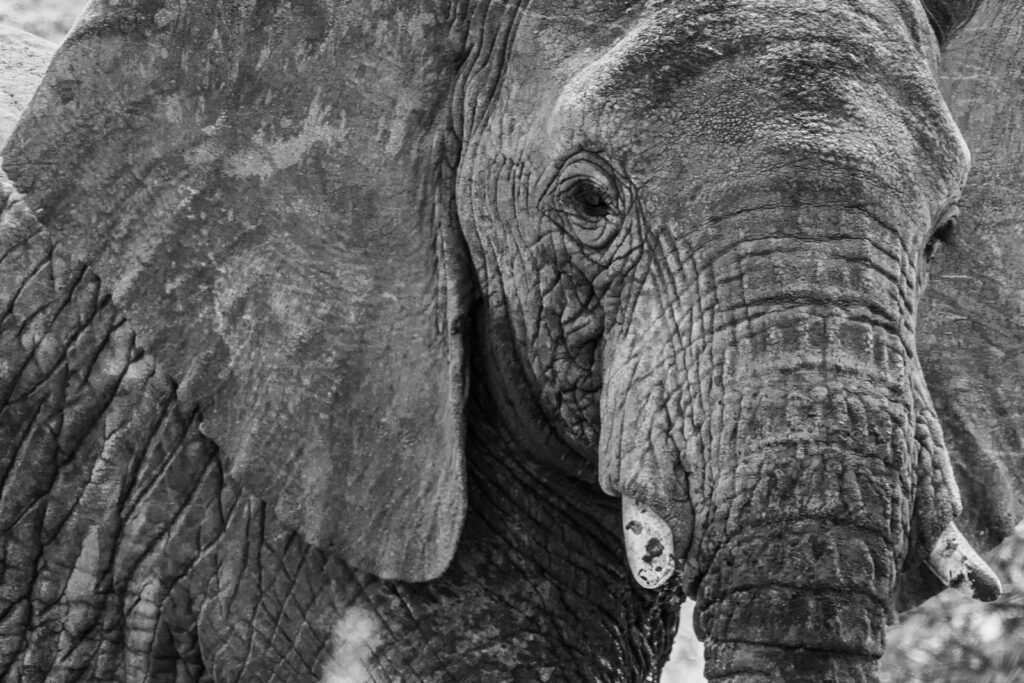
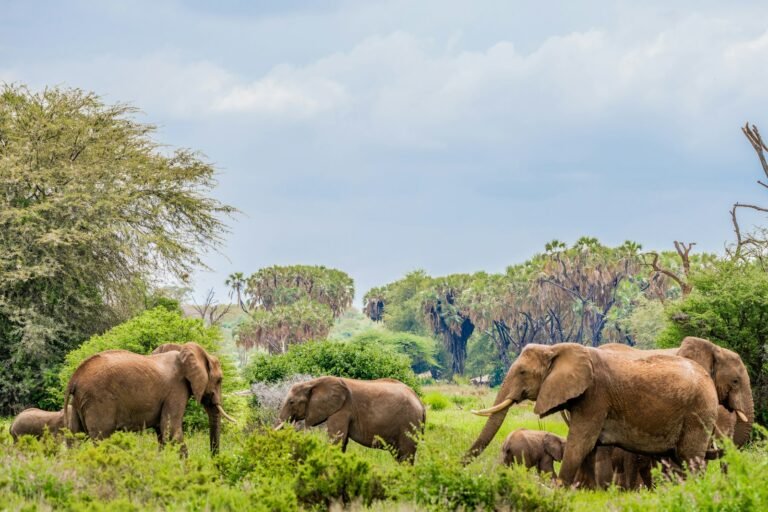
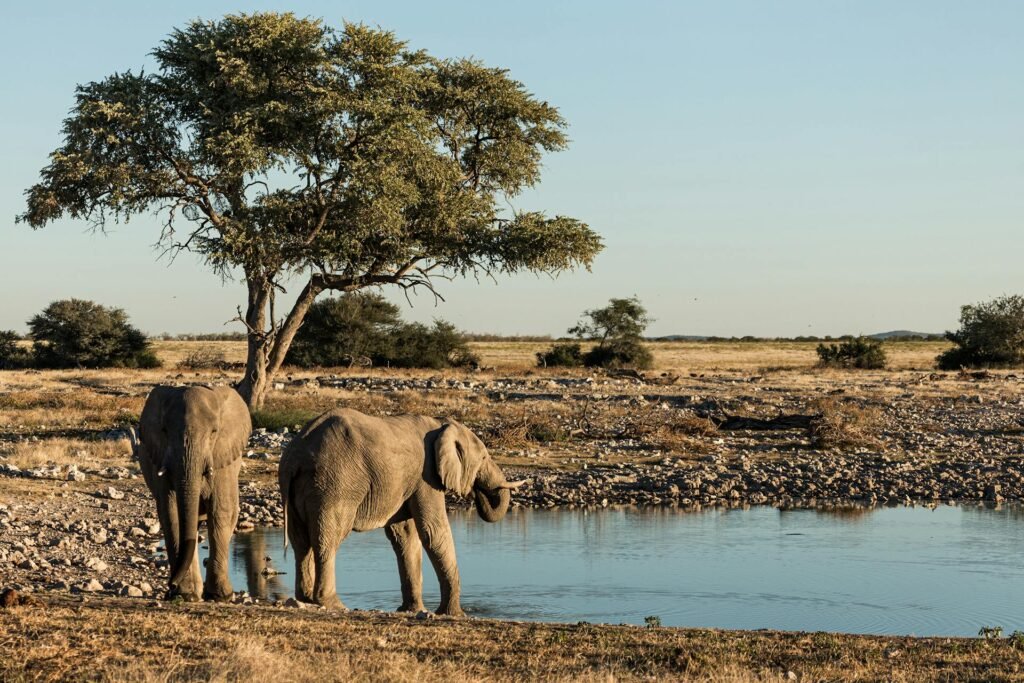
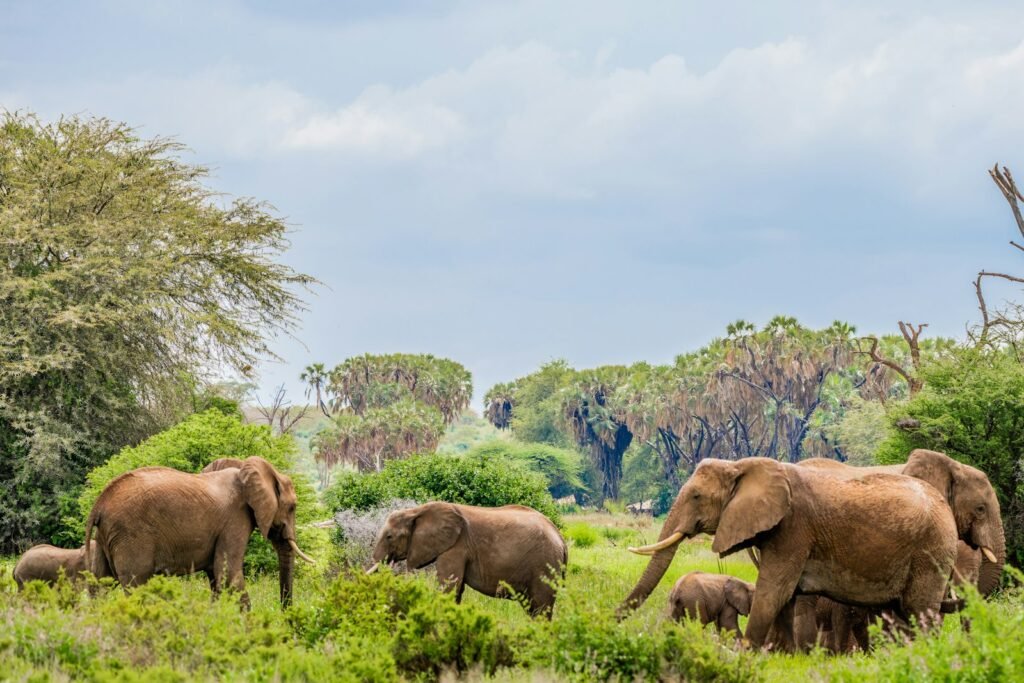
- ElephantAlmost certain along the river.
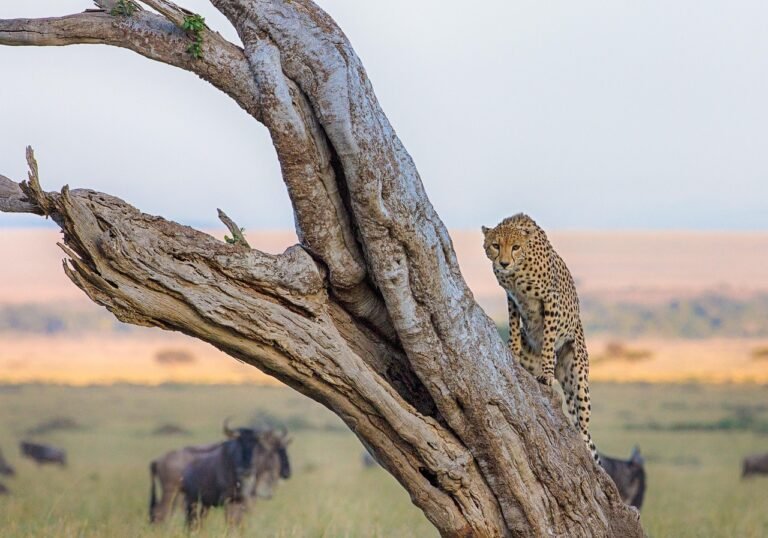
- LeopardLikely. Samburu is one of Kenya’s better leopard areas.
- LionLikely.
Ratings are our guides’ own experience, not a guarantee.
Ol Pejeta Conservancy: rhino and chimpanzees
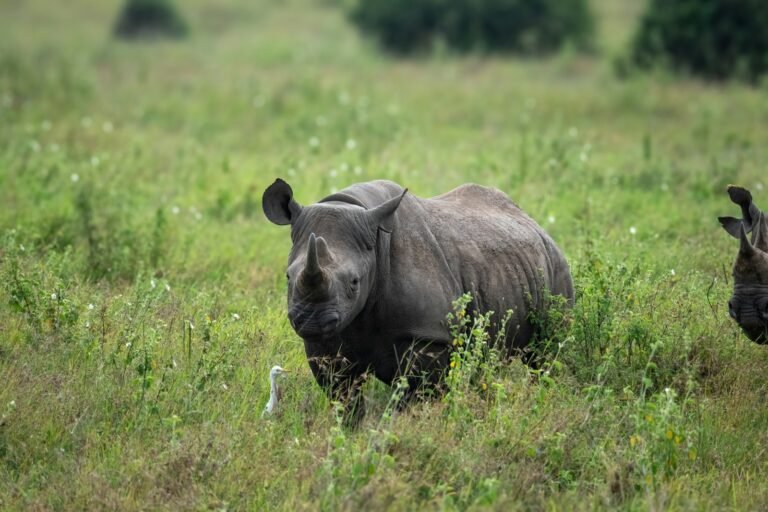
On the way north, Ol Pejeta Conservancy in Laikipia, near the town of Nanyuki, is worth a night of its own. It is a large private conservancy on the equator with a strong focus on rhino protection.
- Black and white rhino in good numbers, with a high chance of sightings.
- The last two northern white rhinos on Earth, Najin and Fatu, live here under 24-hour guard.
- Sweetwaters Chimpanzee Sanctuary, a refuge for rescued chimpanzees, the only place in Kenya to see them.
- Big Five and night drives, which the national reserves do not allow.
Best time to visit Samburu National Reserve
- JanDry
- FebDry
- MarDry
- AprRains
- MayRains
- JunDry
- JulDry
- AugDry
- SepDry
- OctDry
- NovShowers
- DecGood
Samburu is hot and dry for most of the year. From June to October and January to March animals crowd the river, which makes game viewing easiest. The short rains in November and the long rains in April and May turn it green and scatter the herds.
Getting there and how long to stay
The drive from Nairobi to Samburu National Reserve passes Mount Kenya and takes 5 to 6 hours, so we usually stop at Ol Pejeta on the way. Scheduled flights from Wilson Airport reach Samburu’s airstrips in about an hour. From Samburu, our 8-day route continues south via Lake Nakuru to the Masai Mara.
The Samburu people and the wider reserve area
The reserve is named after the Samburu, semi-nomadic herders related to the Maasai, known for their beaded collars and close bond with their cattle, goats and camels. A visit to a community village, arranged and paid through the community itself, is a respectful way to learn how families live in this dry country.
- Buffalo Springs National Reserve lies just across the river, with clear springs that attract wildlife.
- Shaba National Reserve, to the east, is wilder and rockier, with very few vehicles.
- The river is the centre of everything. Many camps sit on its banks, where elephants cross in the afternoon.
Samburu is hot by day. Bring a hat, sun cream and light long sleeves, and expect cool mornings at the start of a game drive.
Samburu safaris with See Safari Adventure
Want more time in the north? Tell us and we will add Laikipia or a longer stay.
Sources
- Ol Pejeta Conservancy. Rhino programme, northern white rhinos and chimpanzee sanctuary.
- IUCN Red List: Grevy’s zebra. Conservation status.
- Save the Elephants. Elephant research in Samburu.
Sighting chances and travel times come from our own guides. Last reviewed November 2026.