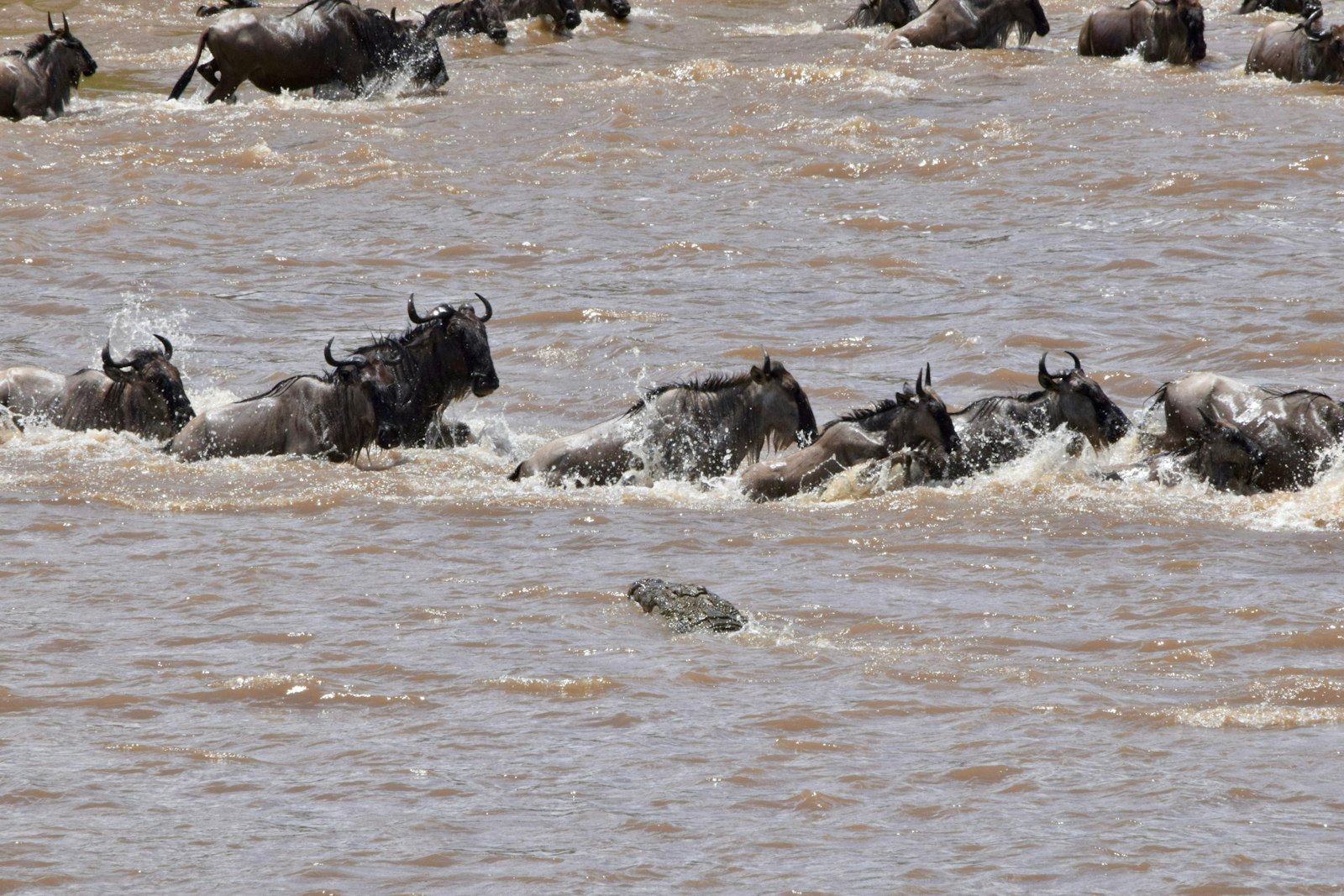
The Masai Mara’s seasons in brief
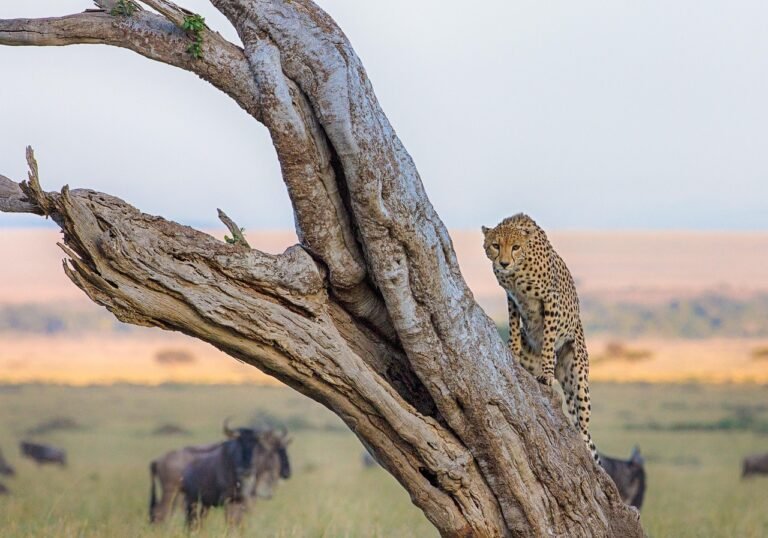
The Mara has resident wildlife all year, so there is no bad month for lions, elephants or cheetahs. What changes is the migration, the rain and the number of vehicles.
July to October
Migration herds, river crossings and dry weather. It is also the busiest and most expensive time.
January to March
Short grass, easy game viewing and lower fees. The migration is in the southern Serengeti.
April to June
Long rains in April and May, then fresh, quiet plains in June. Look for the best lodge offers now.
Masai Mara month by month
Use this table as a guide. Rain and herd movements shift a little every year.
| Month | Weather | Wildlife highlights | Crowds |
|---|---|---|---|
| January | Warm and mostly dry | Big cats, young animals | Low |
| February | Hot and dry | Predators on short grass | Low |
| March | Rains start late in the month | Resident game, birdlife | Low |
| April | Long rains | Lush plains, newborn antelope | Very low |
| May | Rains easing | Green scenery | Very low |
| June | Dry and cool | Resident game, early herds possible | Medium |
| July | Dry and cool | Herds arrive, first crossings | High |
| August | Dry | River crossings at their peak | Very high |
| September | Dry | Herds and crossings continue | High |
| October | Dry, warming | Herds start heading south | Medium |
| November | Short rains | Resident game, green grass | Low |
| December | Mostly dry | Good all-round game viewing | Medium over the holidays |
When does the Great Migration reach the Masai Mara?
Most years, the wildebeest and zebra herds cross from the northern Serengeti into the Mara in July. They usually stay until September or October, then move back south as the short rains begin.
River crossings are the highlight, but nobody can schedule them. Herds can gather on the bank for hours or days before crossing, so give yourself at least three full days in the Mara.
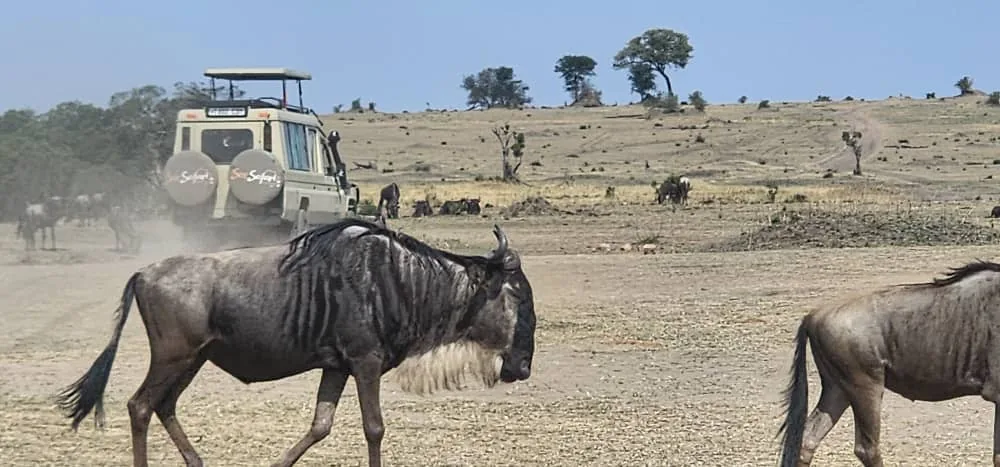
Masai Mara park fees by season
The Narok County Government manages the reserve and charges a higher fee in the second half of the year. Fees are per person, per day.
| Period | Fee per adult per day |
|---|---|
| 1 January to 30 June | About US$100 |
| 1 July to 31 December | About US$200 |
Children pay a lower rate. Private conservancies set their own fees, usually included in your camp’s price. Our Kenya safari cost guide shows how fees fit into a full budget.
Reserve or conservancy?
The private conservancies bordering the reserve limit the number of vehicles. They also allow activities the main reserve does not.
- Fewer vehicles: conservancies cap visitor numbers, which matters most in August.
- Night drives and walks: allowed in most conservancies but not in the main reserve.
- Off-road driving: often permitted with a guide in conservancies, so you get closer to sightings.
- River access: the main reserve and Mara Triangle are best for crossings, so mix the two if you can.
Masai Mara safaris we run
All our Mara trips are private and can be timed around the migration.
- 5-Day Masai Mara and Rift Valley Lakes
- 7-Day Amboseli, Lakes and Masai Mara
- 8-Day Samburu, Ol Pejeta and Masai Mara
- 6-Day Masai Mara and Lamu Honeymoon
Comparing parks? Read Masai Mara or Serengeti: which is better?
Heading north too? See our Samburu National Reserve guide.
Common questions
What is the best month to visit the Masai Mara?
August is usually the best month for river crossings. For fewer crowds and lower fees, February is an excellent choice.
Can you see the Big Five in the Masai Mara?
Yes. Lions, leopards, elephants and buffalo are common. Rhinos are rare and seen mostly in the Mara Triangle.
Is the Masai Mara worth visiting outside migration season?
Yes. Resident predators, elephants and plains game stay all year, and you will share sightings with far fewer vehicles.
How many days should I spend in the Masai Mara?
Three nights is ideal. During the migration, three full days give you a good chance of seeing a river crossing.
Is it worth visiting the Masai Mara in the rainy season?
It can be. Rain often falls in afternoon showers, the plains are green and lodge rates are lower, but some roads get muddy.
Plan your Masai Mara safari
Tell us when you can travel and what you most want to see. We will match your dates to the right part of the Mara and the right camp.
Sources and planning notes
Written by the See Safari Adventure team in Arusha, Tanzania. Reviewed November 2026 for 2027 travel. Fees are set by Narok County and can change, so confirm them before you book.