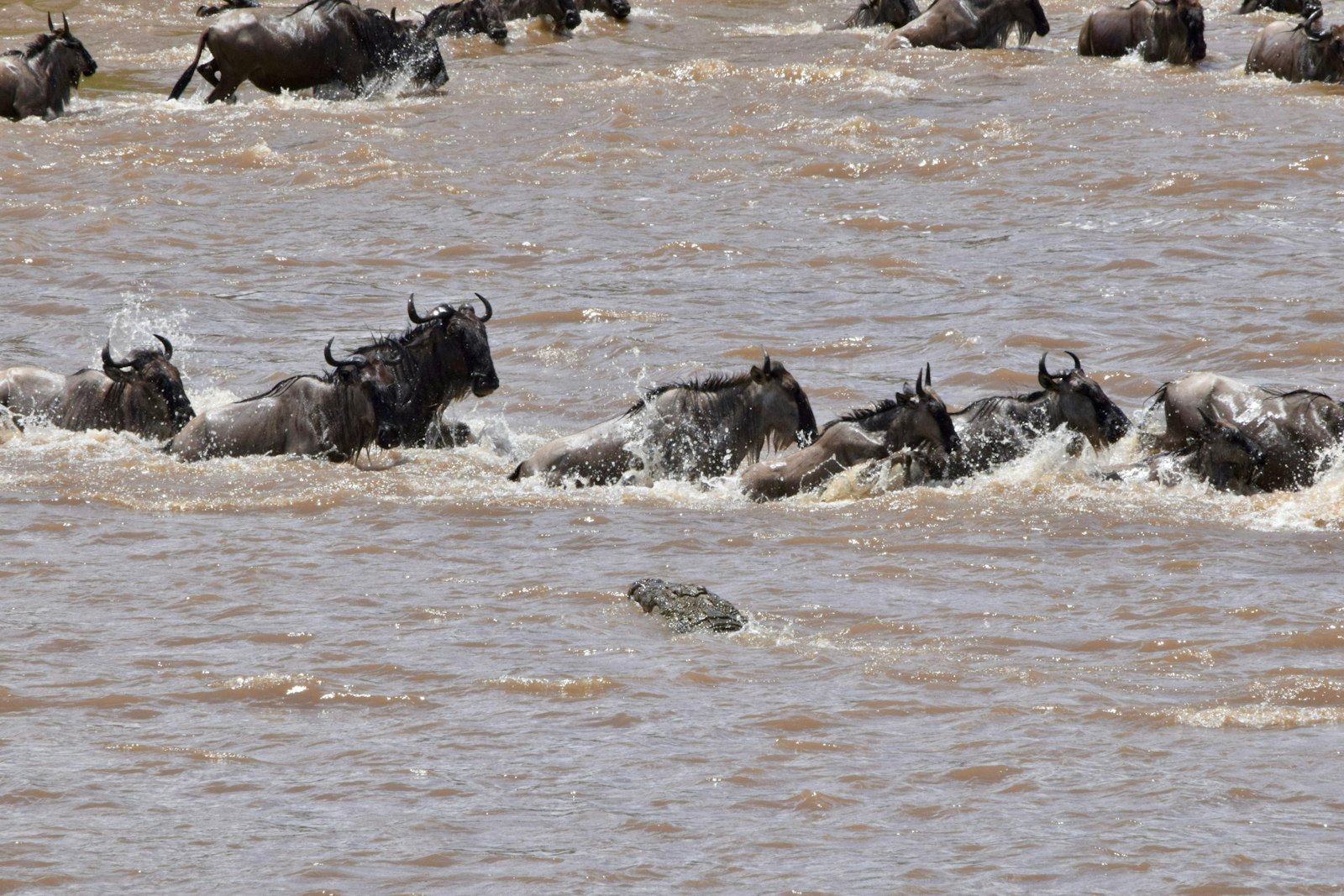
Masai Mara National Reserve at a glance
- Where
- South-west Kenya, on the border with Tanzania’s Serengeti
- Size
- About 1,510 km², plus a ring of private conservancies
- Managed by
- Narok County, with the Mara Triangle run by a non-profit conservancy
- Known for
- Lions, cheetahs, leopards and the Mara River crossings
- Best months
- July to October, and January to February
- From Nairobi
- 5 to 6 hours by road, or about 45 minutes by light aircraft
- Ideal stay
- 3 nights
- Pairs with
- Lake Nakuru, Amboseli, Serengeti
The reserve takes its name from the Maasai, whose cattle still graze the surrounding land, and from the Maa word mara, “spotted”, for the way trees, shadows and bushes dot the plains.
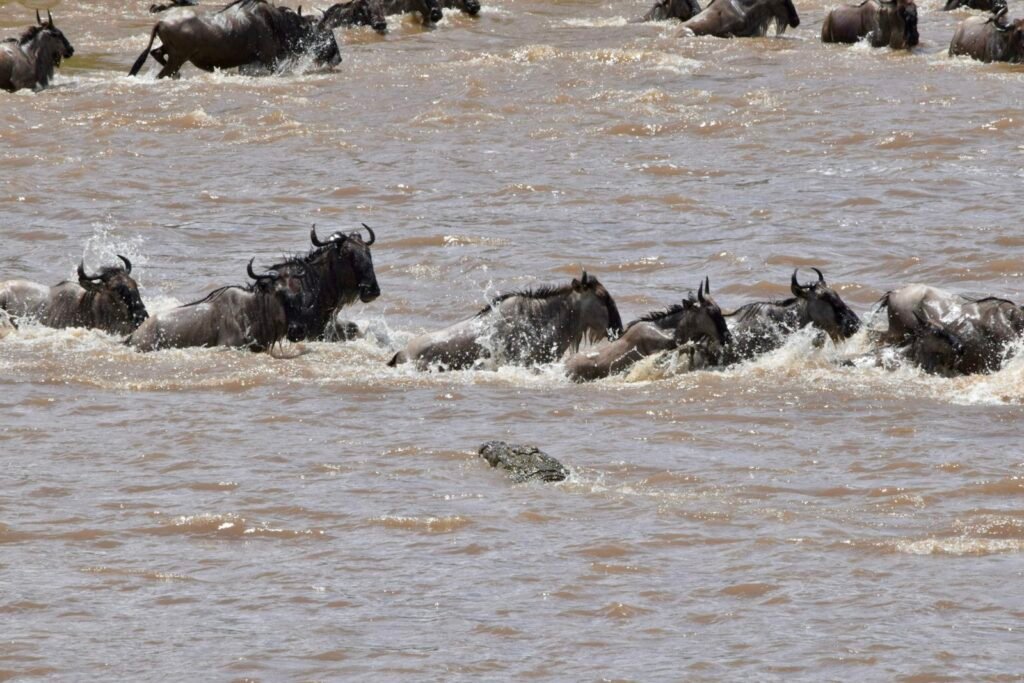
The Great Migration in the Masai Mara
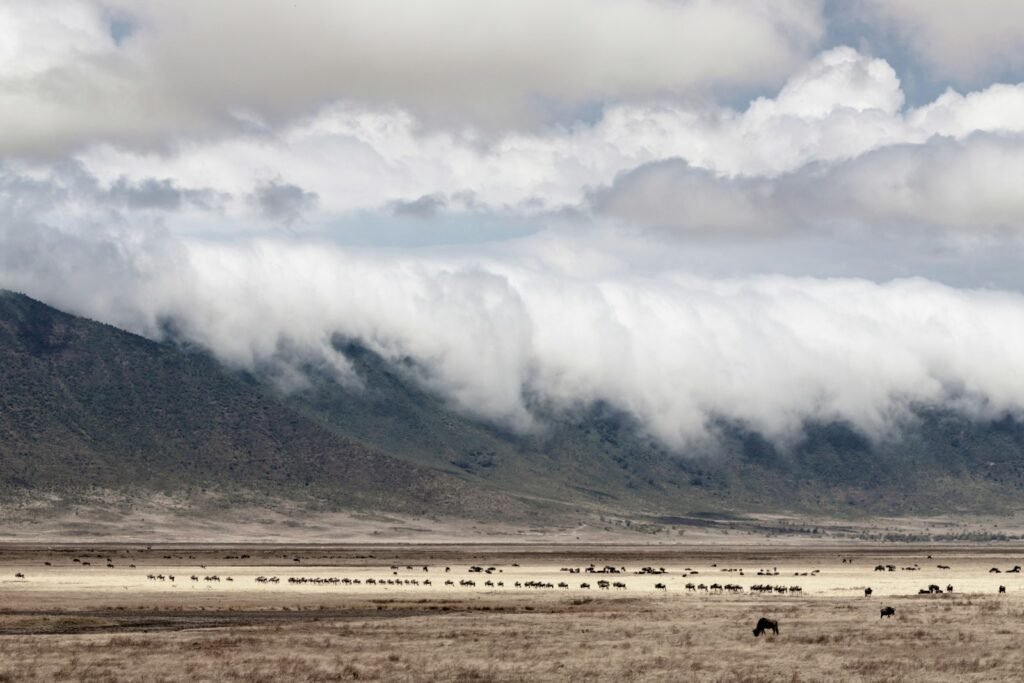
The Mara is only one part of the migration’s yearly loop, but it is where the most dramatic part happens. The herds come north from the Serengeti in search of fresh grass and cross the Mara and Talek rivers again and again.
| Months | What is happening |
|---|---|
| Late June to July | The first herds arrive from the northern Serengeti. Timing changes with the rain. |
| August to September | Peak season. The largest herds and the most frequent Mara River crossings. |
| October | Herds start drifting back south. Still good crossings, fewer vehicles. |
| November to June | The migration is in Tanzania, but resident wildlife and big cats stay in the Mara. |
No one can promise a crossing on a given day. We plan at least two full days near the river in peak season to give you the best chance, and our guides share sightings by radio. For the full calendar, read our Masai Mara month-by-month guide or compare the Serengeti.
Where to stay: the reserve and the conservancies
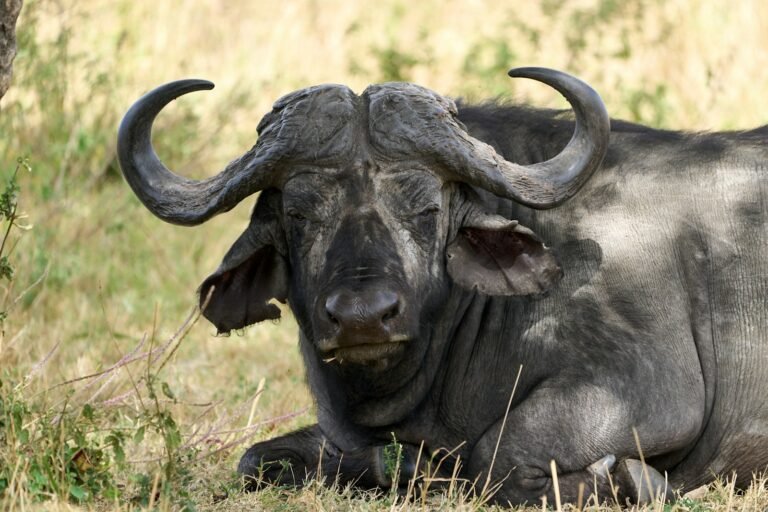
Central and eastern reserve
The Talek and Sekenani areas have open plains, big lion prides and the widest choice of camps. Easy access by road.
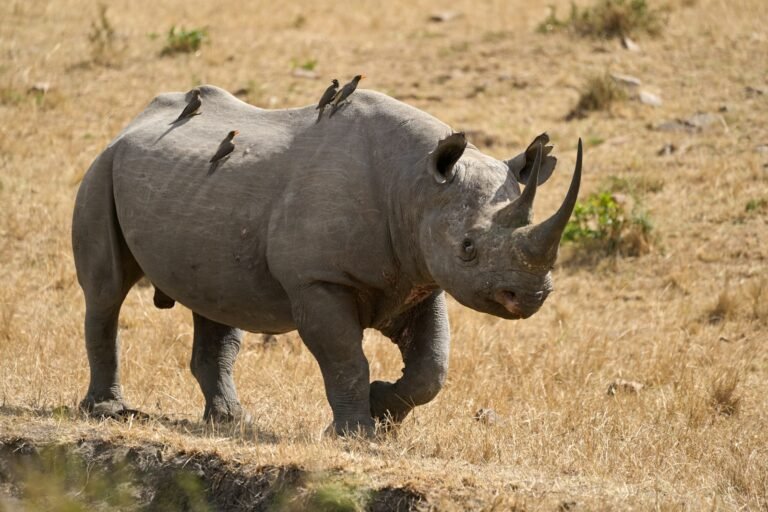
Mara Triangle
West of the Mara River, below the Oloololo Escarpment. Well-managed roads, fewer vehicles and excellent crossing points.
Private conservancies
Maasai-owned land next to the reserve where camps limit vehicles at sightings and offer walking safaris and night drives.
Wildlife beyond the migration
Even without the herds, the Mara is one of Africa’s best places for predators. Prides in the reserve have been followed for decades by researchers and wildlife film crews.
Your chances on a 3-night stay
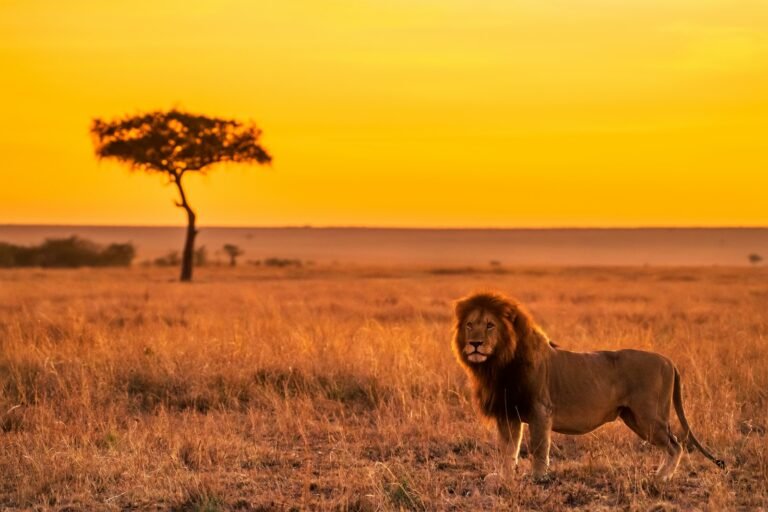
- LionAlmost certain. Several large prides live in the reserve.
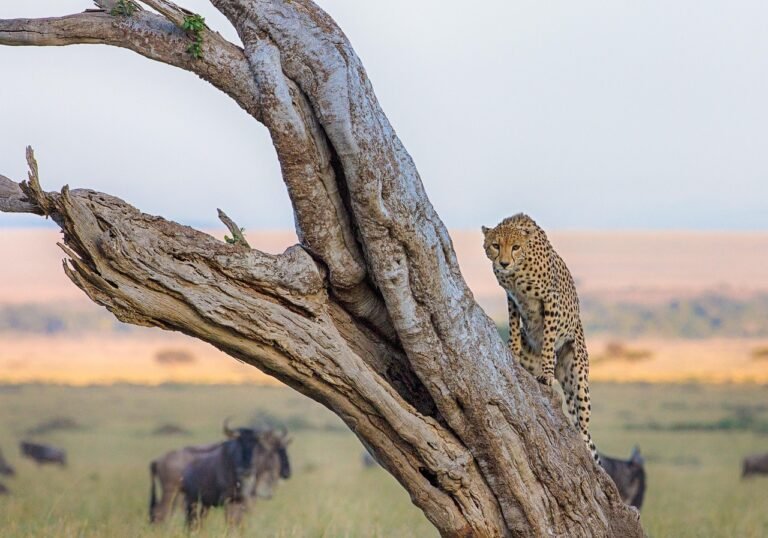
- CheetahVery likely. Look on the open short-grass plains.
- Elephant and buffaloAlmost certain. Common across the reserve.
- LeopardLikely. Along the Talek and Mara rivers.
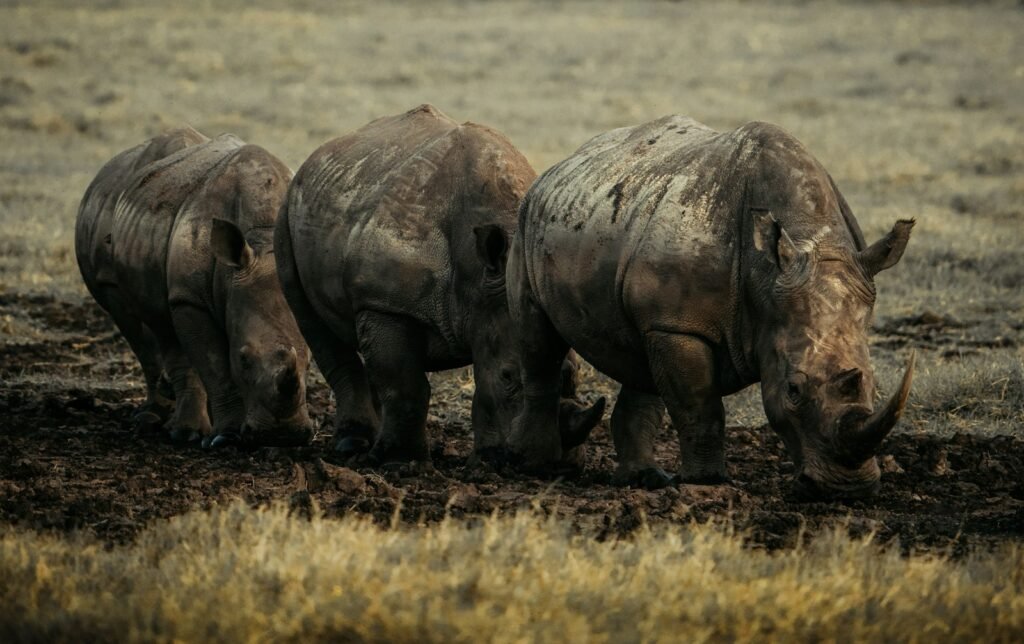
- Black rhinoRare. A small population. Add Lake Nakuru for a better chance.
These ratings are our guides’ own experience, not a guarantee.
A balloon over the Mara
Hot-air balloon flights leave at dawn, follow the river for about an hour and land for a champagne breakfast on the plains. Book ahead in peak season.
Best time to visit the Masai Mara
- JanDry
- FebDry
- MarGood
- AprRains
- MayRains
- JunGood
- JulHerds
- AugPeak
- SepPeak
- OctHerds
- NovShowers
- DecGood
- July to October. Migration and river crossings. Busy, so book 6 to 12 months ahead.
- December to February. Dry and green, with newborn antelope and quieter roads.
- April and May. Long rains, low prices and very few visitors. Some camps close.
Getting there and how long to stay
By road, the drive from Nairobi takes 5 to 6 hours via the Great Rift Valley viewpoint, and most of our routes break it with a night at Lake Naivasha or Lake Nakuru. Scheduled light aircraft fly from Wilson Airport to several airstrips inside the Mara in about 45 minutes.
Continuing to Tanzania? We drive south to the Isebania border and on to the Serengeti.
- 2 nights is the minimum for the reserve.
- 3 nights gives you two full days, essential for river crossings.
- 4+ nights lets you split time with a private conservancy.
A day on safari in the Masai Mara
Every day is shaped by the light and by where the animals are, but this is how a typical full day runs with us.
- 6:00 am
Early start
Coffee at camp, then out at first light, when lions and cheetahs are most active and the air is cool.
- 9:00 am
Bush breakfast
A packed breakfast under a tree with a view, so you do not have to go back to camp.
- 10:00 am to 2:00 pm
The river
In migration season we wait at the Mara River crossing points. Outside it we follow the big cats and the hippo pools.
- 2:00 pm
Rest at camp
Lunch and a quiet afternoon while the animals rest in the shade.
- 4:00 to 6:30 pm
Evening drive
Back out for the golden hour, then a sundowner before the reserve closes at dusk.
Masai Mara or Serengeti?
| Masai Mara | Serengeti | |
|---|---|---|
| Size | About 1,510 km² | 14,763 km² |
| Migration | About July to October | Somewhere in the park all year |
| Getting there | 45-minute flight or 5 to 6 hours from Nairobi | 1-hour flight or 7 to 8 hours from Arusha |
| Vehicles | Busy at crossings; quieter in conservancies | More space, especially away from Seronera |
| Extras | Walking safaris and night drives in conservancies | Pairs with the Ngorongoro Crater and Zanzibar |
Both are excellent. The best choice depends on your month and the rest of your route, and they are easy to combine overland. Read how to combine Kenya and Tanzania.
Masai Mara safaris with See Safari Adventure
All our Mara trips are private, in a pop-up roof 4×4 with your own guide.
- 5daysMasai Mara and Rift Valley LakesFrom US$1,950 pp
- 6daysMasai Mara and Lamu HoneymoonFrom US$3,250 pp
- 7daysAmboseli, Lakes and Masai MaraFrom US$3,200 pp
- 8daysSamburu, Ol Pejeta and Masai MaraFrom US$3,550 pp
- 8daysMasai Mara to SerengetiFrom US$3,800 pp
Not sure which fits? Tell us your dates and we will plan around the migration.
Sources
- Encyclopaedia Britannica: Masai Mara National Reserve. Size, location and wildlife.
- UNESCO World Heritage Centre: Serengeti National Park. The wider migration ecosystem.
Seasons, travel times and sighting chances come from our own guides. Last reviewed November 2026.