What are the Big Five animals?
The Big Five are the lion, leopard, African elephant, Cape buffalo and rhinoceros. The name comes from old hunting days, when these were seen as the most dangerous animals to track on foot.
| Animal | How easy to see | Best places |
|---|---|---|
| Elephant | Very easy | Amboseli, Tarangire, Masai Mara |
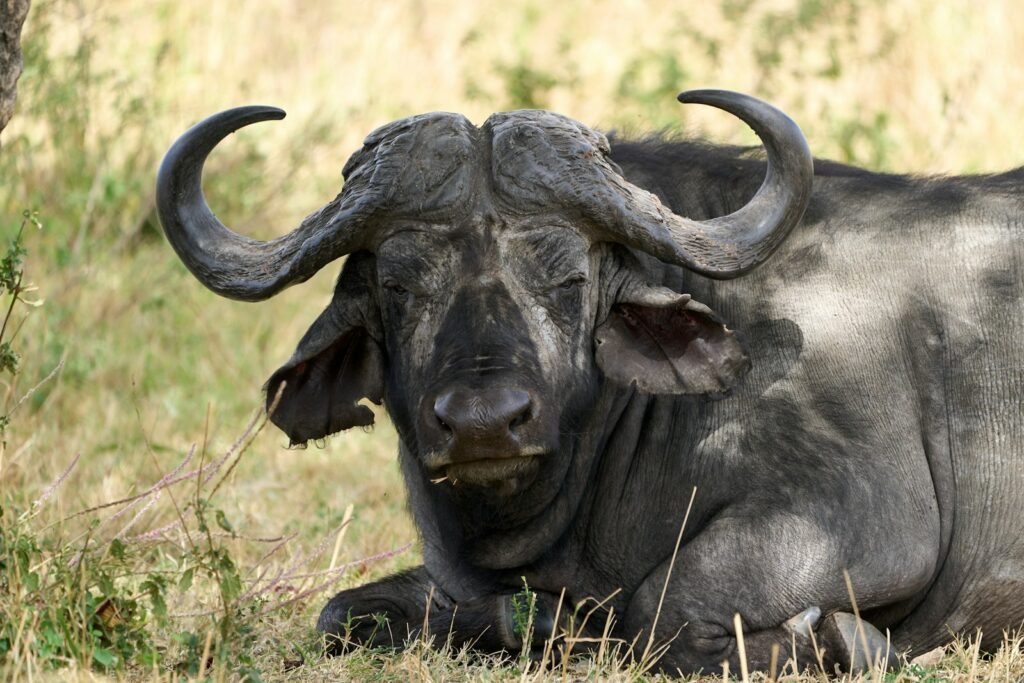
| Buffalo | Very easy | Ngorongoro Crater, Masai Mara, Serengeti |
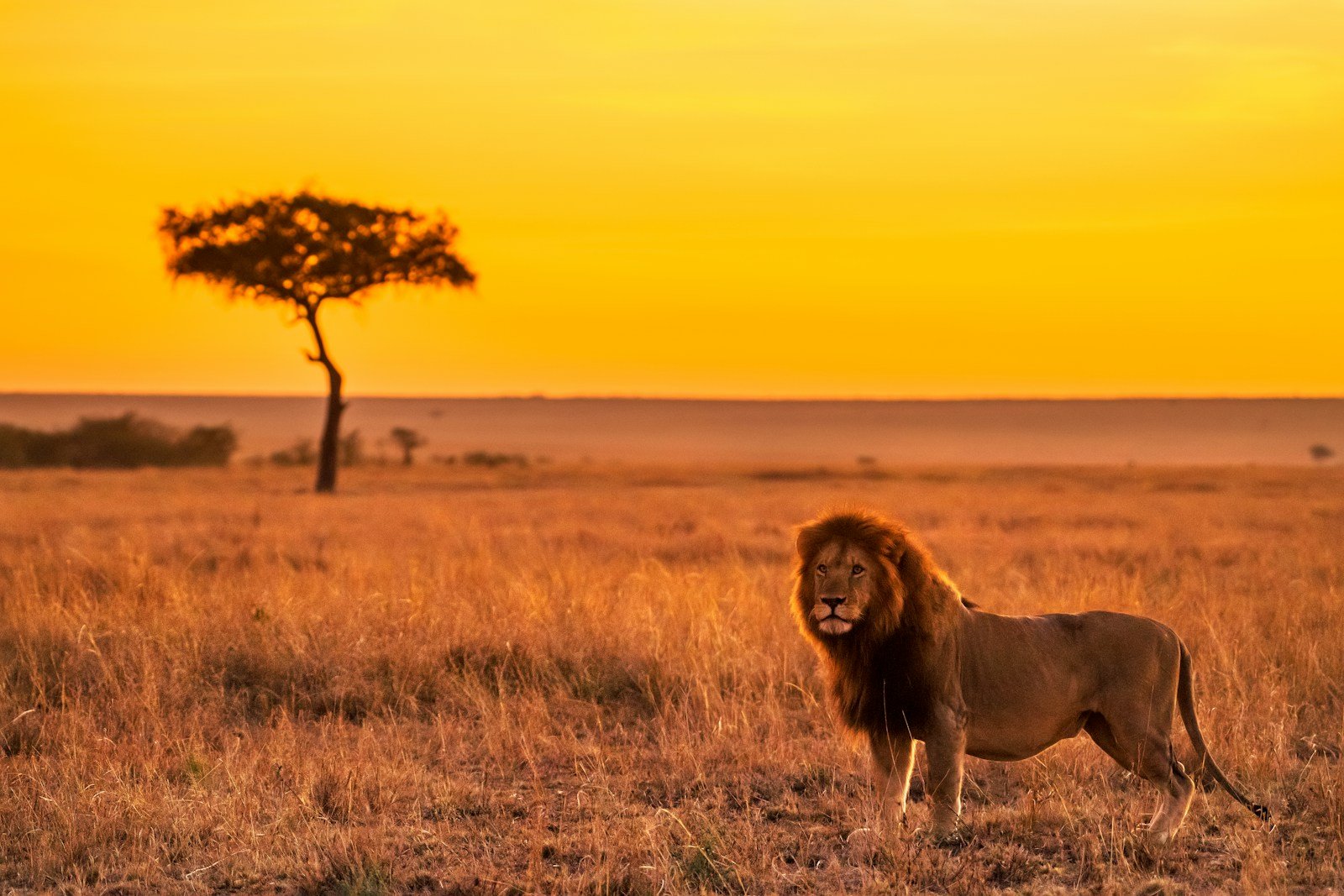
| Lion | Easy | Serengeti, Masai Mara, Ngorongoro Crater |
| Leopard | Harder | Central Serengeti, Masai Mara |
| Rhino | Hardest | Ngorongoro Crater, Ol Pejeta, Lake Nakuru |
The best parks for a Big Five safari
No single park guarantees all five. These are the strongest choices in each country.
Ngorongoro Crater and Serengeti
- The Crater is the best single place for black rhino
- Lions and buffalo are common on the crater floor
- The Serengeti adds leopards in the Seronera valley
- Tarangire adds huge elephant herds
Ol Pejeta, Nakuru and the Mara
- Ol Pejeta and Lake Nakuru protect black and white rhinos
- The Masai Mara is excellent for lions and leopards
- Buffalo and elephants are common across all three
- Combine them on a 7 or 8-day route, adding Samburu for rare northern species
Why rhinos are the hardest to see
Poaching pushed rhinos close to extinction in East Africa. Today most live in protected strongholds with ranger teams.
- Ngorongoro Crater: a small black rhino population on an open crater floor. Sightings are often at a distance, so bring binoculars.
- Ol Pejeta Conservancy: one of Kenya’s largest black rhino sanctuaries.
- Lake Nakuru: a fenced park with both black and white rhinos. See our Lake Nakuru and Naivasha guide.
- Masai Mara: a few rhinos live mainly in the Mara Triangle, but sightings are rare.
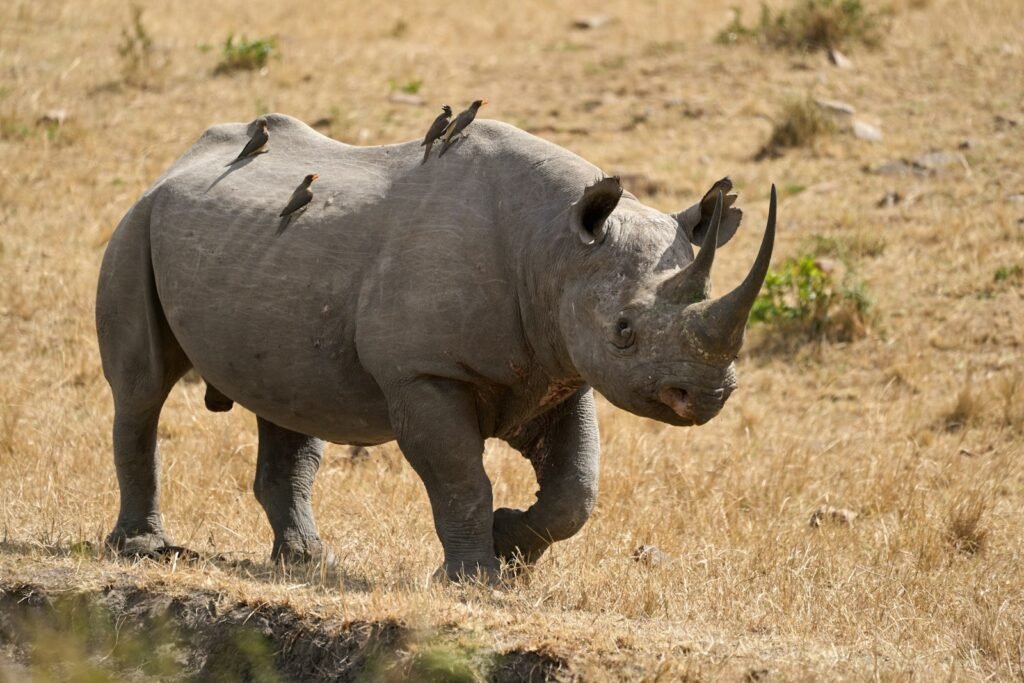
Best time for a Big Five safari
The Big Five live in these parks all year. The dry seasons make them easier to find, because animals gather near water and the grass is shorter.
| Months | Conditions | Big Five viewing |
|---|---|---|
| June to October | Long dry season | Excellent |
| January to February | Short dry season | Very good |
| November and December | Short rains | Good |
| March to May | Long rains | Good, but thicker bush |
Tips for finding the Big Five
- Start early: big cats are most active at dawn, before the heat.
- Bring binoculars: one pair per person makes rhino and leopard spotting much easier.
- Use a private vehicle: you can wait at a sighting as long as you like.
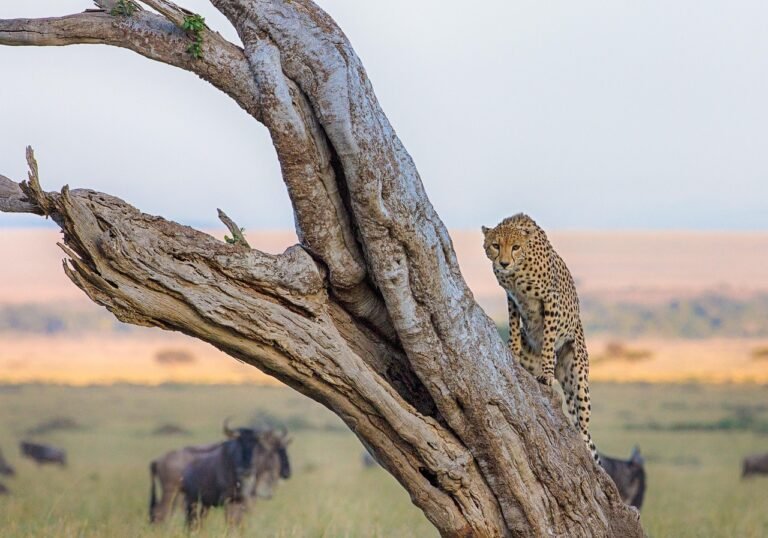
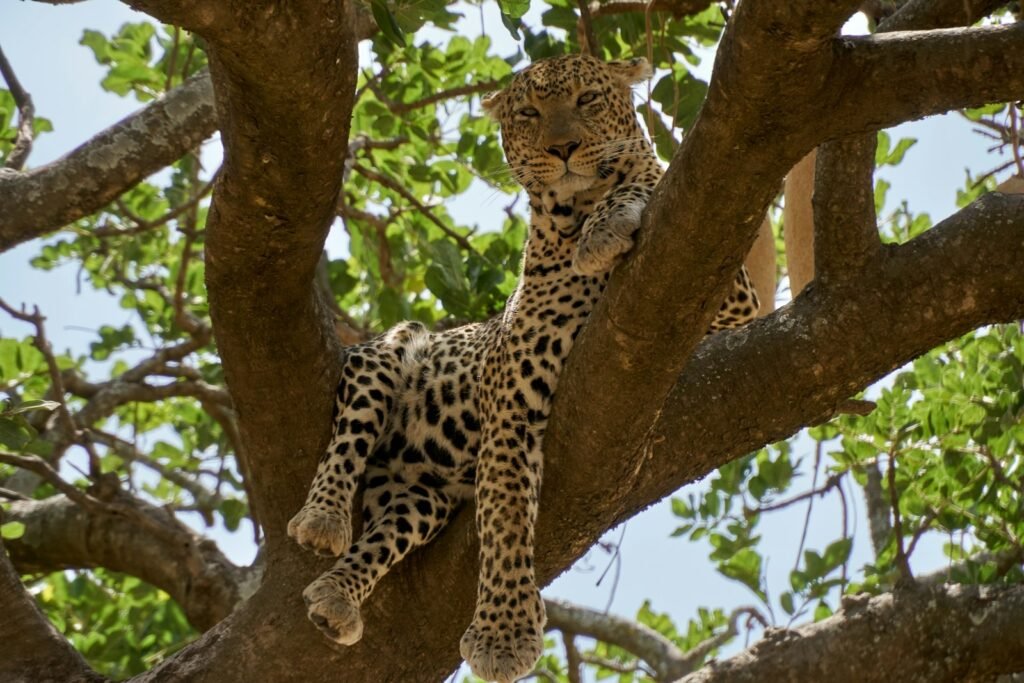
- Look up for leopards: check the branches of sausage and acacia trees.
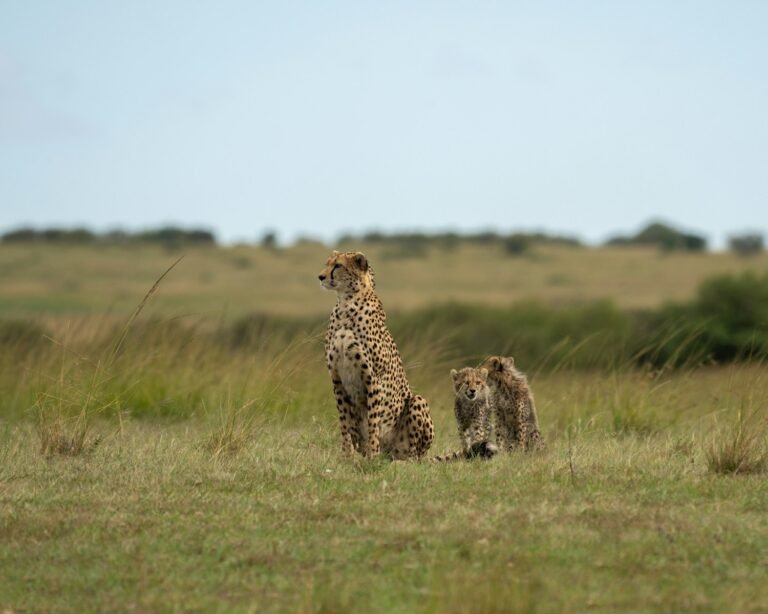
- Enjoy the rest: cheetahs, giraffes and wild dogs are not in the Big Five, but they are just as memorable.
Big Five safaris we run
These routes include at least one rhino stronghold, giving you a real chance at all five.
- 5-Day Northern Circuit Safari
- 7-Day Northern Circuit Explorer
- 8-Day Samburu, Ol Pejeta and Masai Mara
On the drive from the Crater to the Serengeti, you can stop at Olduvai Gorge. Deciding between countries? Compare parks in Masai Mara or Serengeti, or read about the Ngorongoro Crater.
Common questions
Which park is best for the Big Five?
The Ngorongoro Crater in Tanzania. Its enclosed floor gives you a good chance of lion, buffalo, elephant and black rhino in a single day, with leopards on the forested rim.
Can you see the Big Five in the Masai Mara?
Four are easy to see. Rhinos are rare and found mainly in the Mara Triangle, so add Ol Pejeta or Lake Nakuru for a better chance.
How many days do you need for a Big Five safari?
At least 5 days. This lets you combine a rhino stronghold with a park known for leopards.
Are there rhinos in the Serengeti?
A small, protected population lives in the Moru Kopjes area, but sightings are rare. The nearby Ngorongoro Crater is a better bet.
What is the Little Five?
The Little Five are the elephant shrew, ant lion, rhinoceros beetle, buffalo weaver and leopard tortoise. Ask your guide to help you find them.
Plan your Big Five safari
Tell us how many days you have and which animals matter most. We will build a route that includes the right parks for all five.
Sources and planning notes
Written by the See Safari Adventure team in Arusha, Tanzania. Reviewed November 2026 for 2027 travel. Wildlife sightings are never guaranteed.